
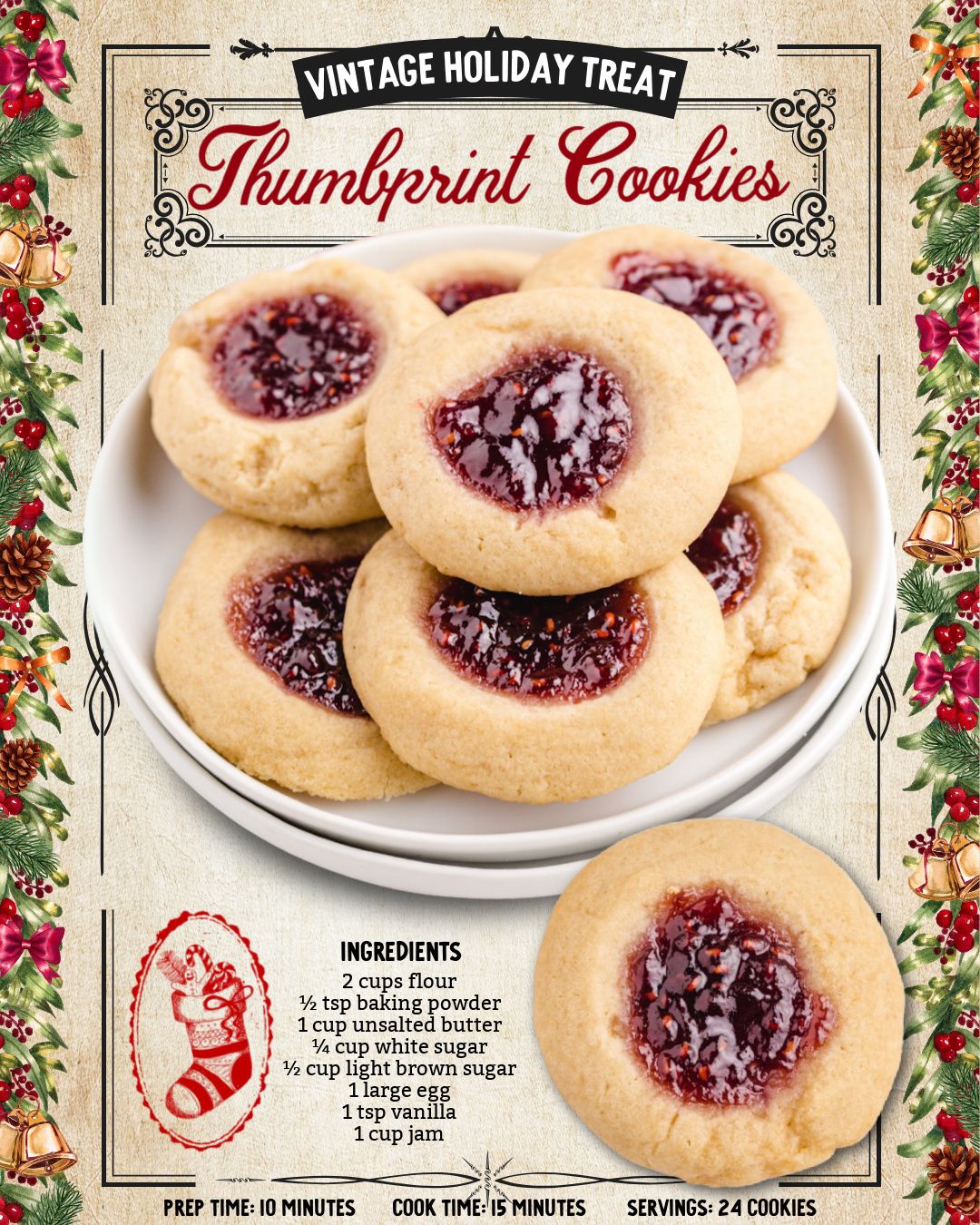
Don’t overmix the dough once you add the flour. This is the most common way to end up with tough, dense cookies. You want to mix just until the flour is incorporated. It’s okay if the dough looks a little shaggy before you gather it with your hands. Overmixing develops gluten, which is great for bread but the enemy of a tender thumbprint cookie.
Avoid making your thumbprint too shallow. A timid press will result in a tiny well that barely holds any jam, and it will often bake closed. Press firmly and confidently, almost to the baking sheet. The cookie dough is resilient and will puff up around the edges, but a deep well will remain. I use the tip of my thumb to really get in there and create a good home for the jam.
Finally, don’t fill the indentations with jam before baking if your jam is very sugary or runny. I made this mistake with a loose strawberry jelly, and it caramelized and burned in the oven, creating a bitter, sticky mess. If you’re unsure, do a test cookie first. Baking the cookies empty and filling them afterward is the foolproof method that always yields a beautiful, glossy finish.
Serving Suggestions
I love presenting these cookies on a vintage cake stand or a simple wooden board. They look so charming piled high, with different colored jams creating a jewel-toned mosaic. They are the star of any cookie tray and always elicit compliments for their dainty, homemade appearance.
For a festive touch during the holidays, I’ll fill some with red raspberry jam, others with golden apricot, and a few with a dollop of lemon curd. The variety is visually stunning and caters to different tastes. A light dusting of powdered sugar over the lemon curd ones just before serving looks like a light snowfall.
These cookies pair beautifully with beverages. They are perfect with a mid-afternoon cup of Earl Grey tea, a glass of cold milk for the kids, or even a dessert wine like a late-harvest Riesling for an adults-only gathering. Their sweetness is balanced by their buttery crumble, making them a versatile partner.
Variations & Customizations
For a nutty variation, roll the dough balls in finely chopped pecans, walnuts, or almonds before making the thumbprint and baking. The nuts toast in the oven, adding a wonderful flavor and crunch that contrasts beautifully with the soft jam center. This is a classic variation that feels extra special.
Instead of jam, consider other fillings. A square of dark chocolate pressed into the warm indentations creates a chocolate-filled version. A spoonful of salted caramel sauce, dulce de leche, or even a small bit of peanut butter topped with a chocolate chip after baking are all delicious alternatives. For a tangy twist, try filling with a cream cheese mixture after baking.
You can also play with the dough itself. Adding a tablespoon of citrus zest (lemon or orange) to the dough brightens the whole cookie. For a spiced winter version, add a half teaspoon of cinnamon or a pinch of cardamom to the dry ingredients. The basic dough is a wonderful, forgiving canvas for your creativity.
How to Store, Freeze & Reheat
Once filled and completely cool, store these cookies in a single layer in an airtight container at room temperature. They will keep beautifully for up to 5 days. If you stack them, place a sheet of parchment paper between layers to prevent them from sticking together. The jam may soften the cookie slightly over time, but they will still be delicious.
You can freeze the baked, unfilled cookies brilliantly. Let them cool completely, then store them in a freezer-safe container or bag for up to 3 months. Thaw at room temperature and fill with jam before serving. You can also freeze the shaped, unbaked dough balls on a tray, then transfer to a bag. Bake straight from the freezer, adding a minute or two to the baking time.
I do not recommend freezing the cookies after they have been filled with jam, as the moisture from the jam can make the thawed cookie soggy. For best results, always freeze plain and fill fresh. There’s no need to reheat these cookies; they are meant to be enjoyed at room temperature.
Conclusion
Thumbprint Cookies are more than a recipe; they’re a tradition, a moment of creativity, and a bite-sized piece of comfort. They’ve brought a touch of handmade elegance to my holidays and everyday baking for years. I hope this recipe encourages you to get your hands a little dusty with flour, make a few thumbprints, and create something beautiful and delicious to share. So soften that butter, choose your favorite jam, and get ready to make cookies that are as fun to create as they are to eat. Happy baking