
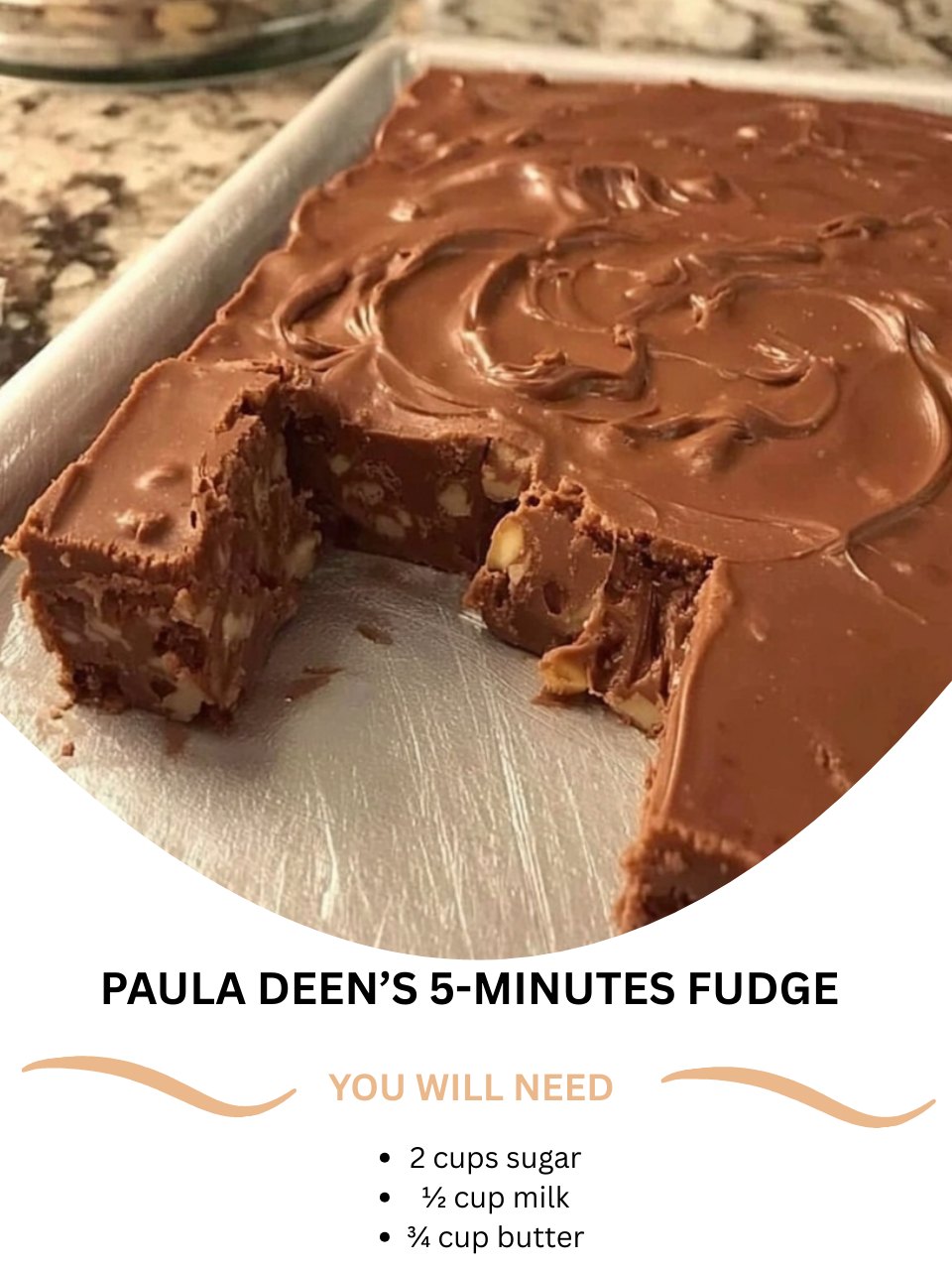
I immediately pour the thick, glorious fudge batter into my prepared pan. I use my spatula to spread it into an even layer, working swiftly before it begins to firm up in the pot. Then, I simply let it cool on the counter for about 30 minutes before transferring it to the refrigerator to chill completely and become firm enough to slice, which usually takes 2-3 hours. The wait is the hardest part, but the sight of that perfectly smooth, shiny surface is worth it.
Pro Tips for Best Results
My first pro tip is to use a heavy-bottomed saucepan. I tried this once in a thin, cheap pot and the bottom scorched before the five minutes were up, ruining the whole batch. A heavy pot distributes the intense heat evenly, preventing hot spots that burn the sugar. It’s the single most important piece of equipment for ensuring a smooth, not burnt, fudge.
Second, do not stop stirring during the 5-minute boil. I tested letting it boil unattended, and a film formed on top while the bottom threatened to burn. Constant, gentle stirring ensures even cooking and temperature throughout the syrup. It also helps dissolve any sugar crystals that might try to form on the sides of the pan, which can lead to graininess.
Finally, use real butter and real vanilla. This recipe is so simple that the quality of each ingredient shines through. Margarine or imitation vanilla will leave a flat, chemical aftertaste. The rich flavor of real dairy butter and the warm depth of pure vanilla extract are what make this fudge taste homemade and luxurious. Trust me, do not make substitutions here.
Common Mistakes to Avoid
The biggest mistake is misjudging the boil. A gentle simmer is not enough. You need a full, rolling, can’t-stir-it-down boil that covers the entire surface of the liquid. If you start your timer with a weak boil, your fudge won’t cook enough and may never set properly, remaining a soft, sticky goo. I made this mistake the first time and had to re-melt and re-cook the whole batch.(See the next page below to continue…)