
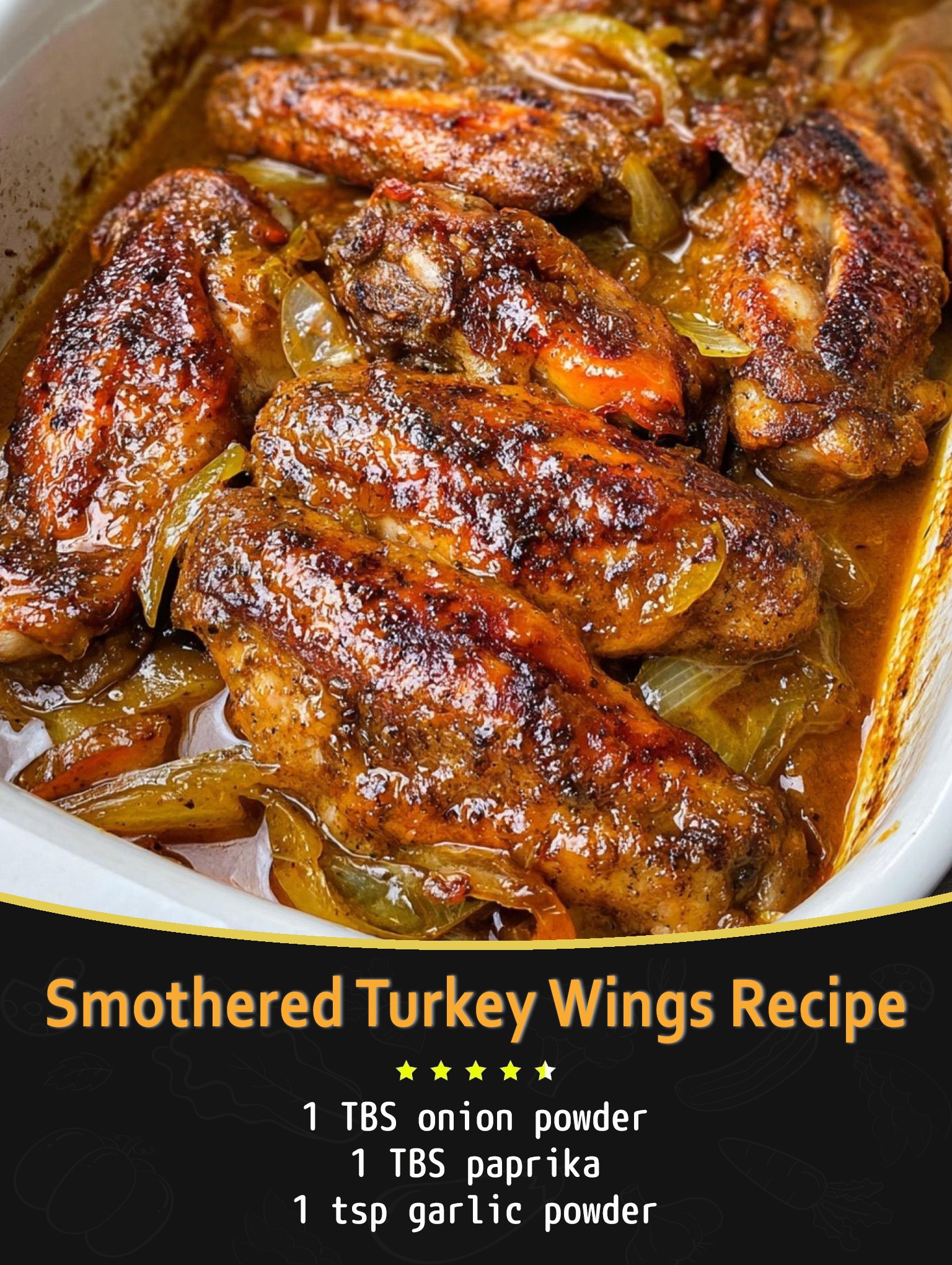
Another error is crowding the pot during browning. If you put all the wings in at once, the pot temperature plummets, and they release their juices, leading to a braise instead of a sear. You’ll get no fond (those browned bits) for your gravy. Brown in batches, even if it takes a few extra minutes. It’s worth it.
Adding cold stock directly to the hot roux can cause it to clump up into lumps. I make sure my stock is at least room temperature, or I warm it slightly in the microwave before gradually whisking it in. Taking it slow and whisking constantly guarantees a smooth, lump-free gravy base.
Finally, do not skip the step of cooking the flour with the onions for a full two minutes. If you add the liquid too soon, your gravy will have a raw, chalky flour taste that no amount of simmering can fully fix. Cook that roux until it smells nutty and looks like wet sand.
Serving Suggestions
I love serving these smothered turkey wings straight from the pot, family-style. I place them on a deep platter and ladle that incredible onion gravy generously over the top. A final sprinkle of fresh chopped parsley adds a pop of color and freshness that cuts the richness perfectly.
This dish begs for starchy sides to soak up the gravy. My absolute favorite pairing is a big mound of creamy, buttery mashed potatoes. The way the gravy pools into the potatoes is divine. A close second is fluffy white rice or soft, pillowy biscuits for sopping up every last drop.
For a balanced meal, I always include a simple, bright vegetable on the side. Steamed green beans, garlicky sautéed collard greens, or a simple arugula salad with a lemony vinaigrette provide a necessary contrast to the deep, savory richness of the turkey and gravy.
Variations & Customizations
For a “smoky” version, I use smoked paprika instead of regular sweet paprika in the rub. It adds a beautiful, deep flavor that’s reminiscent of barbecue, without any actual smoke. Adding a couple of sprigs of fresh rosemary to the pot during the simmer is also a wonderful aromatic twist.
You can easily turn this into a Creole-inspired dish by adding the “holy trinity” of bell pepper and celery along with the onion, and seasoning the rub with a pinch of cayenne pepper and some dried oregano. A splash of Worcestershire sauce in the gravy adds even more depth.
If you want to make it in a slow cooker, you can! After searing the wings and building the gravy base in your Dutch oven, transfer everything to your slow cooker and cook on LOW for 6-7 hours. The result is just as tender, though you may need to thicken the gravy at the end with a cornstarch slurry.
How to Store, Freeze & Reheat
Leftovers can be stored in an airtight container in the refrigerator for up to 4 days. In fact, I think they taste even better the next day as the flavors continue to meld. The gravy will thicken when cold; this is normal.
This dish freezes exceptionally well. Let it cool completely, then store in a freezer-safe container for up to 3 months. I often freeze it in portion-sized containers for easy future meals. The texture of the meat holds up beautifully.
To reheat, thaw overnight in the refrigerator if frozen. Gently warm in a covered pot over low heat on the stovetop, adding a splash of water or stock to loosen the gravy back to its original consistency. Avoid the microwave for large portions, as it can make the meat rubbery. Low, slow reheating on the stove is best.
Conclusion
Smothered Turkey Wings are more than just a meal; they are a lesson in patience and a celebration of deep, soul-warming flavor. This recipe has become a cornerstone of my comfort-food repertoire, perfect for nourishing both body and spirit. I hope you give it the time it deserves and experience the incredible reward of tender meat and rich gravy that can only come from a slow, loving simmer. It’s a pot of pure, delicious comfort waiting to happen.