
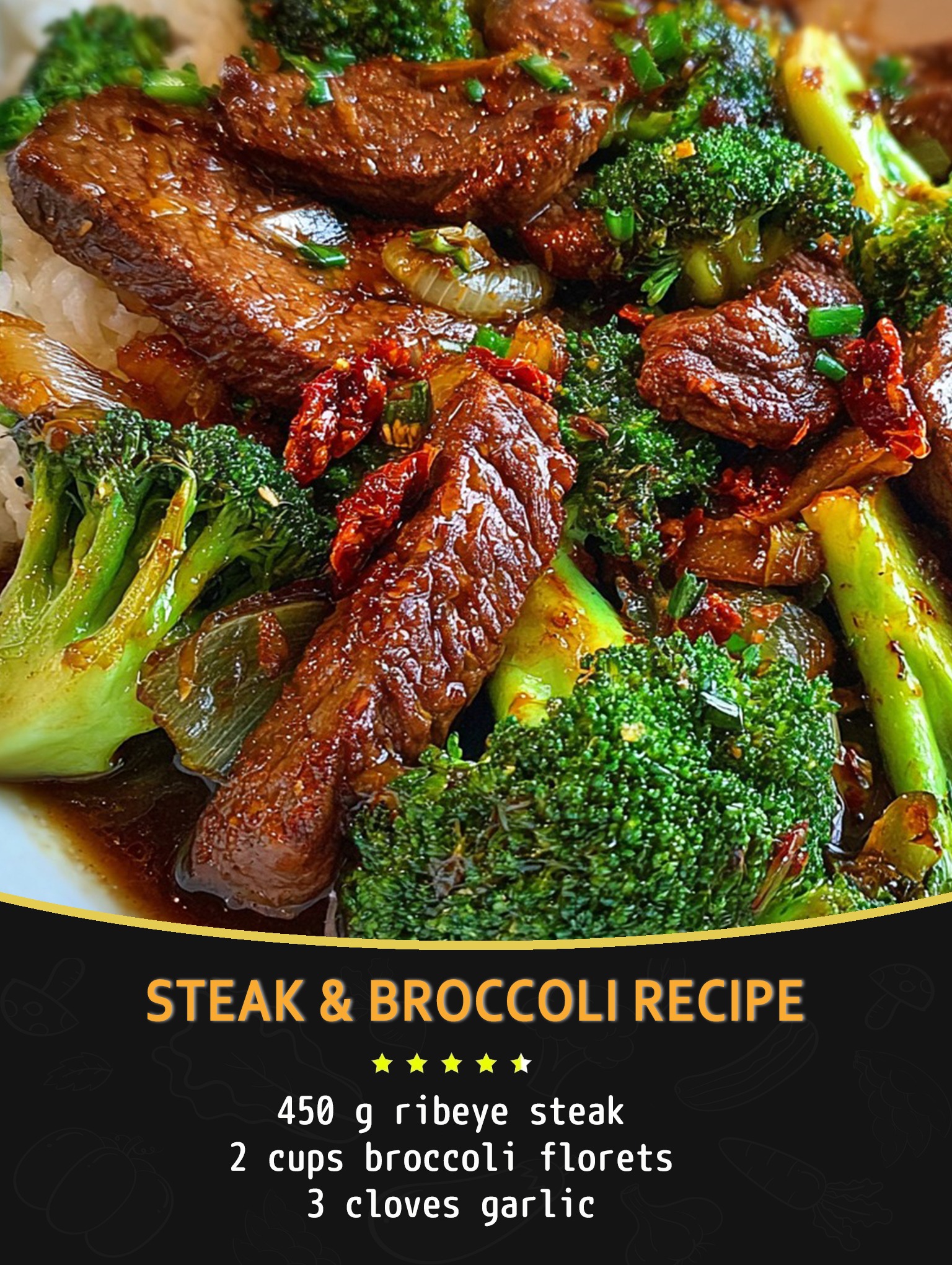
My love affair with this Steak & Broccoli recipe started on a hectic weeknight when I craved something deeply satisfying but refused to spend hours cooking. I remember the sharp, peppery scent of the steak searing in my cast-iron skillet, a sound so fierce and promising it instantly made my mouth water. Then came the gentle sizzle of garlic hitting the pan, its aroma mingling with the earthy smell of broccoli roasting in the oven. In under 30 minutes, I was sitting down to a plate that looked and tasted like a restaurant splurge—tender, juicy steak nestled against crisp-tender broccoli, all glossed in a simple, savory garlic sauce. It was a revelation in simplicity and flavor, and it’s been a staple in my kitchen ever since.
Why You’ll Love This Recipe
You will love this recipe because it proves that a truly spectacular, healthy meal doesn’t have to be complicated or time-consuming. It’s the perfect answer for when you want a protein-packed, vegetable-forward dinner that feels indulgent and nourishing at the same time. With a few quality ingredients and some high-heat cooking, you can create a dish that is far greater than the sum of its parts. From my sizzling skillet to yours, I promise this will become your go-to for a flawless weeknight dinner that never disappoints.
Ingredients
- 450 g (about 1 lb) ribeye steak, about 1-inch thick
- 2 cups broccoli florets (from about 1 medium head)
- 3 cloves garlic, minced
- 2 tablespoons soy sauce (or tamari for gluten-free)
- 1 tablespoon oyster sauce
- 1 teaspoon sesame oil
- 1 tablespoon neutral oil (like avocado or canola), divided
- 1/2 teaspoon freshly ground black pepper
- 1/4 teaspoon salt (optional, the sauces are salty)
- 1 teaspoon cornstarch mixed with 2 tablespoons water (slurry)
- Toasted sesame seeds and sliced green onions, for garnish
Let’s talk ingredients. Using a well-marbled cut like ribeye is key for flavor and tenderness, but a sirloin or flank steak works great too—just slice it thinly against the grain after cooking. For the broccoli, fresh florets are best, but in a pinch, frozen broccoli (thawed and patted very dry) can work. The combination of soy sauce and oyster sauce is the flavor backbone—it creates a rich, umami-packed sauce that’s not just salty, but deeply savory. Don’t skip the sesame oil at the end; its nutty fragrance is the finishing touch that makes it taste authentic.(See the next page below to continue…)
Equipment Needed
- Cast iron skillet or heavy-bottomed stainless steel pan
- Sheet pan & parchment paper (for roasting broccoli)
- Tongs
- Small bowl (for sauce mixture)
- Sharp knife and cutting board
- Meat thermometer (highly recommended)
Step-by-Step Instructions
First, I get everything prepped—this recipe moves fast. I pat the ribeye steak completely dry with paper towels; this is the single most important step for a proper crust. I season it generously with black pepper (I hold off on salt because the soy sauce is plenty salty). I toss the broccoli florets on a parchment-lined sheet pan with half a tablespoon of neutral oil, a pinch of pepper, and a tiny pinch of salt. I pop them into a preheated 425°F (220°C) oven to roast for 15-20 minutes. This dry-heat method gives them deliciously crispy edges.
While the broccoli roasts, I cook the steak. I heat my cast iron skillet over medium-high heat until it’s screaming hot—a drop of water should skitter and evaporate instantly. I add the remaining half tablespoon of oil, then carefully lay the steak in the pan. The sound is incredible—a loud, confident sear. I resist the urge to move it! I let it cook undisturbed for 4-5 minutes to develop a deep brown crust. Using my tongs, I flip it and cook for another 3-4 minutes for medium-rare. I always use a meat thermometer to be sure; I pull it at 130-135°F (54-57°C). Then, I transfer the steak to a cutting board to rest. This rest is non-negotiable—it lets the juices redistribute.
Now, for the quick pan sauce. In the same hot skillet (with all those glorious browned beef bits), I reduce the heat to medium. I add the minced garlic and stir for just 30 seconds until it’s fragrant—any longer and it will burn and turn bitter. I’ve learned that lesson the hard way! Then, I pour in the soy sauce and oyster sauce. It will bubble and steam violently, deglazing the pan. I use a wooden spoon to scrape up every last bit of fond (those browned bits) from the bottom; that’s pure flavor.(See the next page below to continue…)
Finally, I bring it all together. I whisk the cornstarch slurry and pour it into the simmering sauce, stirring constantly. It thickens into a glossy glaze in seconds. I remove the pan from the heat and stir in the teaspoon of sesame oil. By now, my broccoli is perfectly roasted—crisp-tender with lightly charred tips. I slice the rested steak against the grain into thick strips. I arrange the steak and broccoli on a platter, pour every last drop of that addictive garlic sauce over the top, and finish with a sprinkle of toasted sesame seeds and green onions.
Pro Tips for Best Results
A hot pan and a dry steak are the law. I once tried to sear a steak that wasn’t fully patted dry, and it steamed instead of seared, resulting in a grey, rubbery exterior. Taking the time to thoroughly dry the surface ensures that beautiful, caramelized crust that locks in the juices.
Let your steak come to room temperature for 20-30 minutes before cooking. I used to cook it straight from the fridge, and the outside would overcook before the center came to temperature. Letting it temper ensures more even cooking from edge to center, giving you that perfect pink middle.
Make your sauce in the steak pan without washing it. Those browned bits left behind after searing (the “fond”) are packed with savory, meaty flavor. Deglazing the pan with the sauces incorporates all that goodness into your glaze, transforming simple ingredients into a complex, restaurant-quality sauce. Don’t you dare wash that pan first!
Common Mistakes to Avoid
The most common mistake is overcrowding the pan. If your skillet isn’t large enough or you’re cooking more than one steak, cook them in batches. Crowding lowers the pan temperature drastically, causing the meat to steam and boil in its own juices instead of searing. You’ll miss out on the crust and end up with tough, grey meat.(See the next page below to continue…)
Slicing the steak immediately after cooking is a surefire way to end up with a dry steak. When you cut into it right away, all the precious juices run out onto the cutting board instead of staying in the meat. I now force myself to let it rest for a full 5-7 minutes, tented loosely with foil. The wait is torture, but the juicy reward is worth it.
Burnt garlic will ruin your sauce. Garlic minced this finely can go from golden and fragrant to black and bitter in a matter of seconds. I add it to the pan off the direct heat for the last 30 seconds of cooking, or I remove the pan from the burner entirely and let the residual heat cook it gently. This preserves its sweet, aromatic flavor.
Neglecting to cut the steak against the grain. After all that care in cooking, slicing with the grain (parallel to the long muscle fibers) will make the steak chewy and stringy. Always look for the direction of the fibers on your rested steak and slice perpendicular to them. This shortens the fibers, making every bite melt-in-your-mouth tender.
Serving Suggestions
I love serving this dish family-style on a large platter, drizzled with extra sauce. It’s a complete meal on its own, but it’s also incredibly flexible. The presentation is always impressive, with the vibrant green broccoli against the pink steak, all glistening with sauce.
For a more substantial meal, I always serve it over a bed of steamed white rice or cauliflower rice. The rice soaks up the incredible garlic-soy sauce in the most satisfying way, ensuring not a single drop is wasted. It’s the perfect vehicle for that glorious gravy.
If I want to add another vegetable, I’ll quickly sauté some sliced bell peppers or snap peas in the pan after cooking the steak, before I make the sauce. They add color, crunch, and make the meal feel even more abundant without much extra work.
Variations & Customizations
For a spicy kick, I love adding a teaspoon of chili garlic sauce or a few slices of fresh bird’s eye chili to the pan when I cook the garlic. It infuses the oil and gives the whole dish a pleasant, warming heat that cuts through the richness of the steak.
You can easily swap the protein. This method works beautifully with chicken thighs or breasts (sliced into strips), shrimp, or even firm tofu. Just adjust the cooking time accordingly. The broccoli and sauce are the true stars that pair with almost anything.
For a different flavor profile, try swapping the soy and oyster sauce for a teriyaki glaze. I sometimes mix 2 tablespoons of soy sauce, 1 tablespoon of honey, and 1 tablespoon of mirin for a sweeter, stickier sauce. A sprinkle of red pepper flakes at the end adds a nice contrast.
How to Store, Freeze & Reheat
Leftovers can be stored in an airtight container in the refrigerator for up to 3 days. Store the steak, broccoli, and sauce together. The broccoli will soften, but the flavors will continue to meld beautifully.
I do not recommend freezing the fully assembled dish, as the texture of the broccoli and steak will suffer significantly upon thawing and reheating, becoming mushy and tough, respectively.
To reheat, gently warm the leftovers in a skillet over low heat with a splash of water or beef broth to loosen the sauce and prevent the steak from overcooking. The microwave can be used in a pinch, but it tends to overcook the steak and make it rubbery. Stovetop reheating is always best.
Conclusion
This Steak & Broccoli recipe is my steadfast proof that fantastic food doesn’t need to be complicated. It’s a celebration of technique over time—a hot pan, a good sear, and a quick, flavor-packed sauce. It has saved countless busy evenings in my home with its reliable deliciousness. I hope it brings the same sizzle of joy to your kitchen and becomes your trusted shortcut to a meal that feels both special and simple. Here’s to many quick, flavorful dinners ahead