
Equipment Needed
- Large cast iron skillet or heavy-bottomed frying pan
- Wooden spoon or sturdy spatula
- Whisk
- Measuring cups
Step-by-Step Instructions
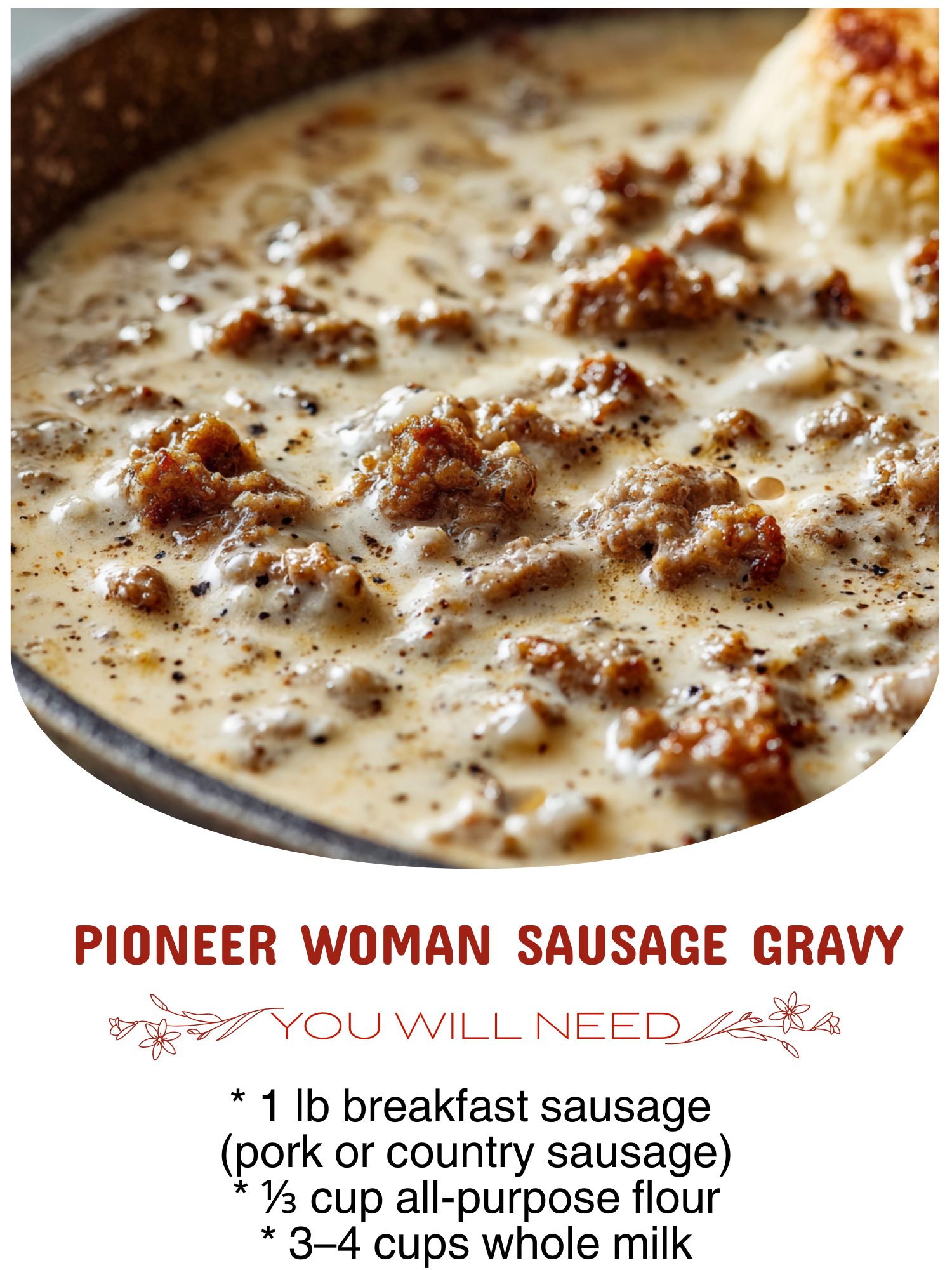
I always start by placing my cold sausage, straight from the package, into a cold cast iron skillet. Then, I turn the heat to medium. Starting in a cold pan allows the fat to render out slowly and evenly, ensuring the sausage cooks through without burning on the outside. I break it up with my wooden spoon into small, bite-sized crumbles. The sound of that first sizzle is pure breakfast music. I let it cook, stirring occasionally, until it’s evenly browned and no pink remains. This isn’t just about cooking the meat; it’s about creating our cooking fat and flavor base—those browned bits (the fond) at the bottom of the pan are liquid gold.
Once the sausage is perfectly browned, I leave every single bit of rendered fat in the skillet. Do not drain it! This is the most common instruction people get wrong, and it’s the secret to a flavorful roux. I sprinkle the 1/3 cup of all-purpose flour directly over the sausage and its fat. Immediately, I start stirring and cooking this mixture. It will look pasty at first, but as you cook it for about 2-3 minutes, it will transform into a light golden-brown color and smell wonderfully nutty. This step cooks out the raw flour taste and creates the structure for our gravy. I’ve tried rushing this, and it results in a gravy that tastes faintly of paste. Patience here is key.
Now, for the magic moment. I grab my whisk and slowly pour in the first two cups of cold whole milk. I pour it in a steady stream while whisking constantly. The mixture will immediately seize up and look very thick—this is normal and exactly what you want! I keep whisking vigorously to work out any lumps from the roux. The gravy will be extremely thick at this stage, like a very heavy paste. This is when I add the remaining milk, one cup at a time, whisking after each addition, until I reach my desired consistency. I usually use the full 3.5 cups for a perfectly ladle-able gravy.(See the next page below to continue…)