
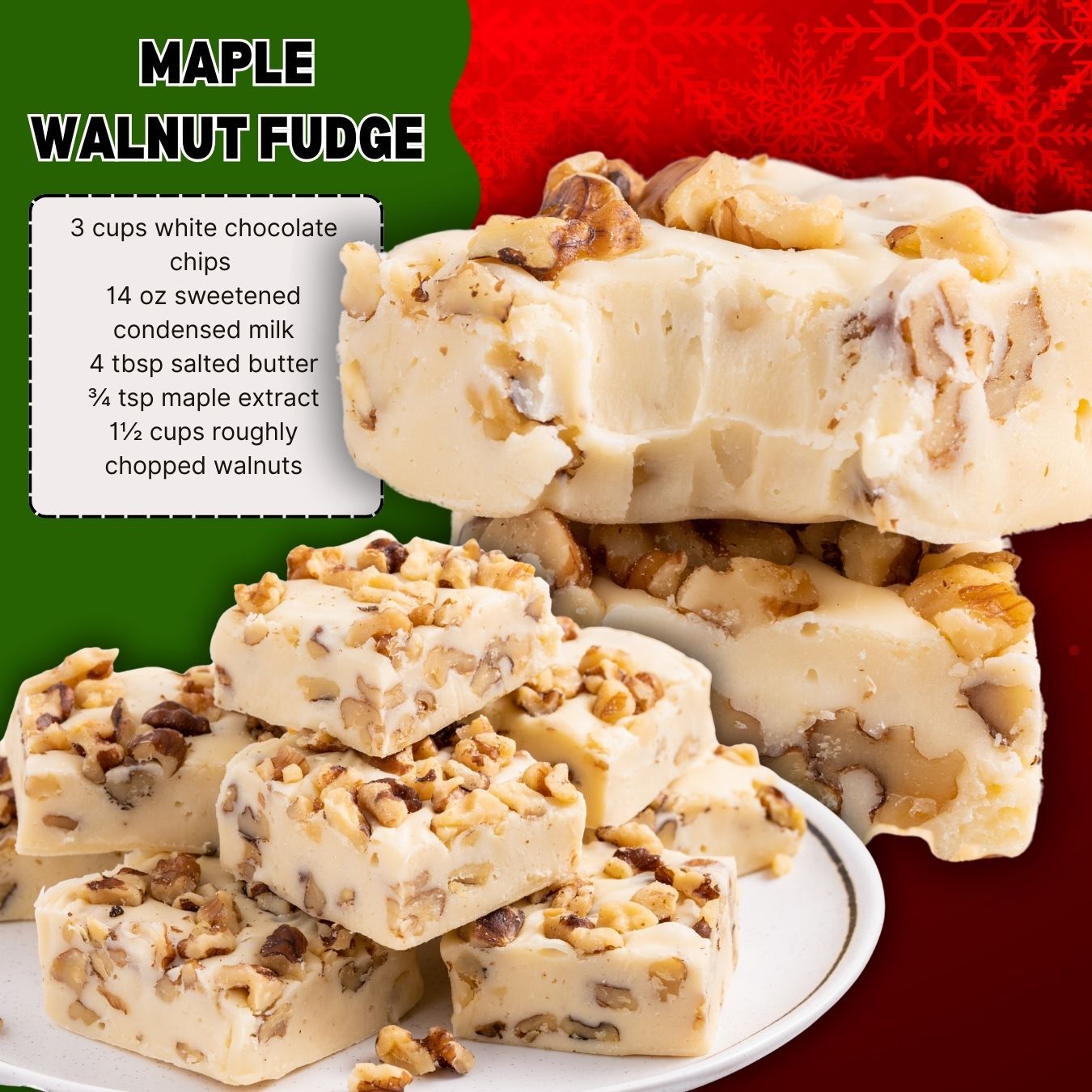
Finally, I carefully pour the hot fudge mixture over the walnuts in the prepared pan. I use my spatula to spread it into an even layer, making sure it gets into all the corners. Then, I take the remaining ½ cup of chopped walnuts and sprinkle them evenly over the top, gently pressing them in just slightly. Now, the test of willpower begins. The fudge needs to set at room temperature for about 2 hours, then I transfer it to the refrigerator for at least another 2 hours (or overnight) to fully firm up. Rushing this step leads to a fudge that’s too soft to slice cleanly. The wait is worth it.
Pro Tips for Best Results
My number one tip is all about the white chocolate. I’ve tested this with cheap chips, high-quality chips, and white chocolate baking bars. High-quality white chocolate chips (like Ghirardelli or Guittard) make a noticeably creamier, smoother fudge with a better flavor. Cheap chips can have a waxy mouthfeel. If you use a baking bar, chop it into uniform pieces so it melts evenly. The quality of your chocolate is the foundation of your fudge, so don’t skimp here.
The second critical tip is controlling your heat. I cannot stress this enough: use the lowest possible heat on your burner. Even medium-low can be too aggressive for delicate white chocolate. If you see any hint of browning at the bottom of the pan or smell anything other than sweet melting chocolate, your heat is too high. If the mixture starts to look grainy or separates, you’ve likely overheated it. Low and slow, with constant stirring, is the only way to guarantee that velvety-smooth texture.
Finally, be generous with your walnuts and toasting them is a game-changer. While the recipe works with raw walnuts, toasting them first unlocks their full potential. I spread the walnuts on a baking sheet and toast them at 350°F for 7-9 minutes until fragrant. Let them cool before chopping. This deepens their flavor, adds a wonderful crunch, and prevents any bitter notes. That toasted nuttiness against the sweet maple and white chocolate is what makes this fudge truly special.
Common Mistakes to Avoid
The first mistake I made was using imitation maple flavoring. I thought, “It’s just extract, how different can it be?” The result was a fudge that tasted artificially sweet and chemical, with none of the warm, woodsy depth of real maple. Pure maple extract is more expensive, but you only use a little, and the flavor payoff is immense. It’s the star of the show—don’t undermine it with an imitation. (See the next page below to continue…)