
Common Mistakes to Avoid
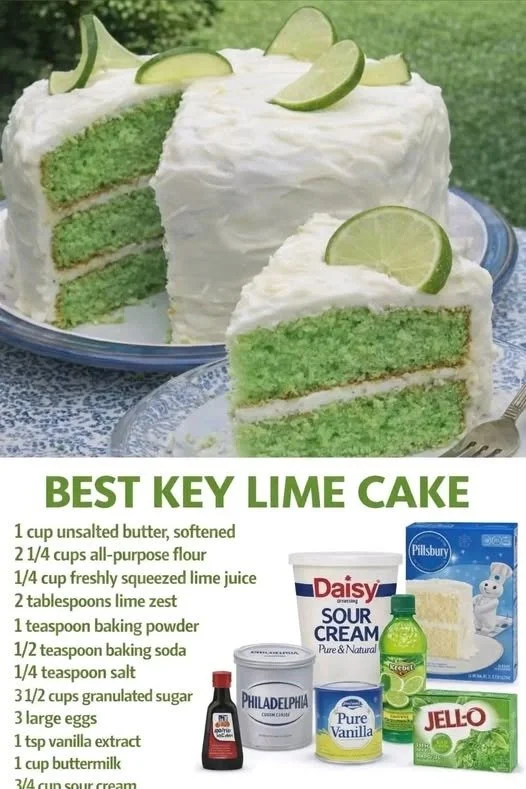
My first-time mistake was a classic: I overmixed the batter. After adding the dry ingredients, I kept the mixer running, wanting it “perfectly smooth.” What I got was a tough, rubbery cake because I overdeveloped the gluten in the flour. Now, I mix on the lowest speed and stop the very second I no longer see dry flour. A few tiny streaks are fine—they’ll incorporate as you pour the batter into the pan.
Do not substitute the buttermilk. I once tried using regular milk with a splash of vinegar as a hack, and another time I used plain yogurt thinned with milk. Neither gave me the same tender, fine crumb and subtle tang as true, cultured buttermilk. The acidity in buttermilk reacts with the baking soda, giving you a better rise and a more delicate texture. It’s worth the trip to the store.
Overbaking is the quickest way to turn this moist masterpiece into a dry desert. The cake continues to cook from residual heat as it cools. If you wait for a toothpick to come out completely clean in the oven, it will be overdone by the time it’s cool. Pull it when there are a few moist crumbs attached. The edges should be just pulling away from the pan, and the top will spring back lightly when touched.
Finally, do not frost a warm cake. I was once so excited to dig in that I slathered my cream cheese frosting onto a slightly warm cake layer. It was a meltdown—literally. The frosting slid right off, pooling at the base in a sad, soupy mess. You must let the cake cool completely to room temperature, and I even prefer to chill my layers in the fridge for 30 minutes before frosting. It makes the process so much cleaner and easier.
Serving Suggestions
I adore serving this cake simply, right from the pan, cut into generous squares. It’s sublime with a cup of strong, black coffee in the afternoon. The bright flavor is so satisfying all on its own, and it makes for a fantastic, easy-to-transport potluck or picnic dessert. Sometimes, I’ll just sprinkle a little extra lime zest on top for a fresh pop of color and flavor.
For a more elegant presentation, especially if I’ve made round layers, I like to serve thin slices on individual plates with a few artistic accompaniments. A small dollop of lightly sweetened whipped cream and a few fresh raspberries or a mint leaf make it look like it came from a fancy bakery. The tart berries complement the lime flavor wonderfully.
In the summer, I take it up a notch by serving it with a side of slowly melting vanilla bean ice cream or a pile of toasted coconut flakes. The creamy, cold ice cream with the tangy, cool cake is a match made in heaven. For a truly tropical twist, a quick mango or pineapple compote spooned over the top is absolutely incredible.
Variations & Customizations
If you love coconut as much as I do, a Key Lime Coconut Cake is a dream. I fold 1 cup of sweetened shredded coconut into the batter (toasted first for deeper flavor) and another cup into the frosting. I sometimes even brush the baked cake layers with a little coconut milk before frosting. It’s like a tropical vacation on a plate.
For a fun, layered dessert, I’ve turned this into a Key Lime Cake Trifle. I bake the cake in a sheet pan, then cube it once cool. In a large glass bowl, I layer the cake cubes with homemade lime curd and whipped cream or vanilla pudding. It’s a stunning, no-fuss dessert for a crowd that highlights all the wonderful flavors.
You can also play with the pan shape. This batter bakes beautifully in a Bundt pan for a dramatic presentation. Just be sure to grease and flour the pan meticulously. I’ve also made it as cupcakes—the bake time reduces to about 18-22 minutes. Top each cupcake with a swirl of the cream cheese frosting and a tiny slice of lime for a perfect portable treat.
How to Store, Freeze & Reheat
Because of the cream cheese frosting, this cake must be stored in the refrigerator. I cover it tightly with plastic wrap or store it in a cake carrier. It will keep beautifully for up to 4 days. The cool, moist environment of the fridge actually helps the flavors meld and the texture stay supremely moist. Let slices sit at room temperature for 20-30 minutes before serving to take the chill off and let the flavors shine.
You can freeze this cake successfully. For a whole cake or layers, I freeze them unfrosted. I wrap the completely cooled cake tightly in a layer of plastic wrap, then a layer of heavy-duty aluminum foil. It can be frozen for up to 3 months. Thaw overnight in the refrigerator, then bring to room temperature before frosting. You can also freeze individual frosted slices on a parchment-lined baking sheet until solid, then transfer them to a freezer bag.
I do not recommend freezing the fully frosted, assembled cake, as the frosting can become slightly grainy upon thawing. For reheating, you generally don’t need to. However, if you want to enjoy a single slice as if it were fresh, you can microwave it for a mere 8-10 seconds. Any longer and the frosting will melt. The best way is to let it come to room temperature naturally.
Conclusion
This key lime cake is more than just a dessert; it’s a burst of sunshine, a testament to how simple, fresh ingredients can create something truly magical. It has brought smiles to so many of my gatherings and comfort to my quietest days. I hope this recipe finds its way into your kitchen, becoming a cherished, bright spot for you and the people you love. Now, go zest those limes—your new favorite cake is waiting.