
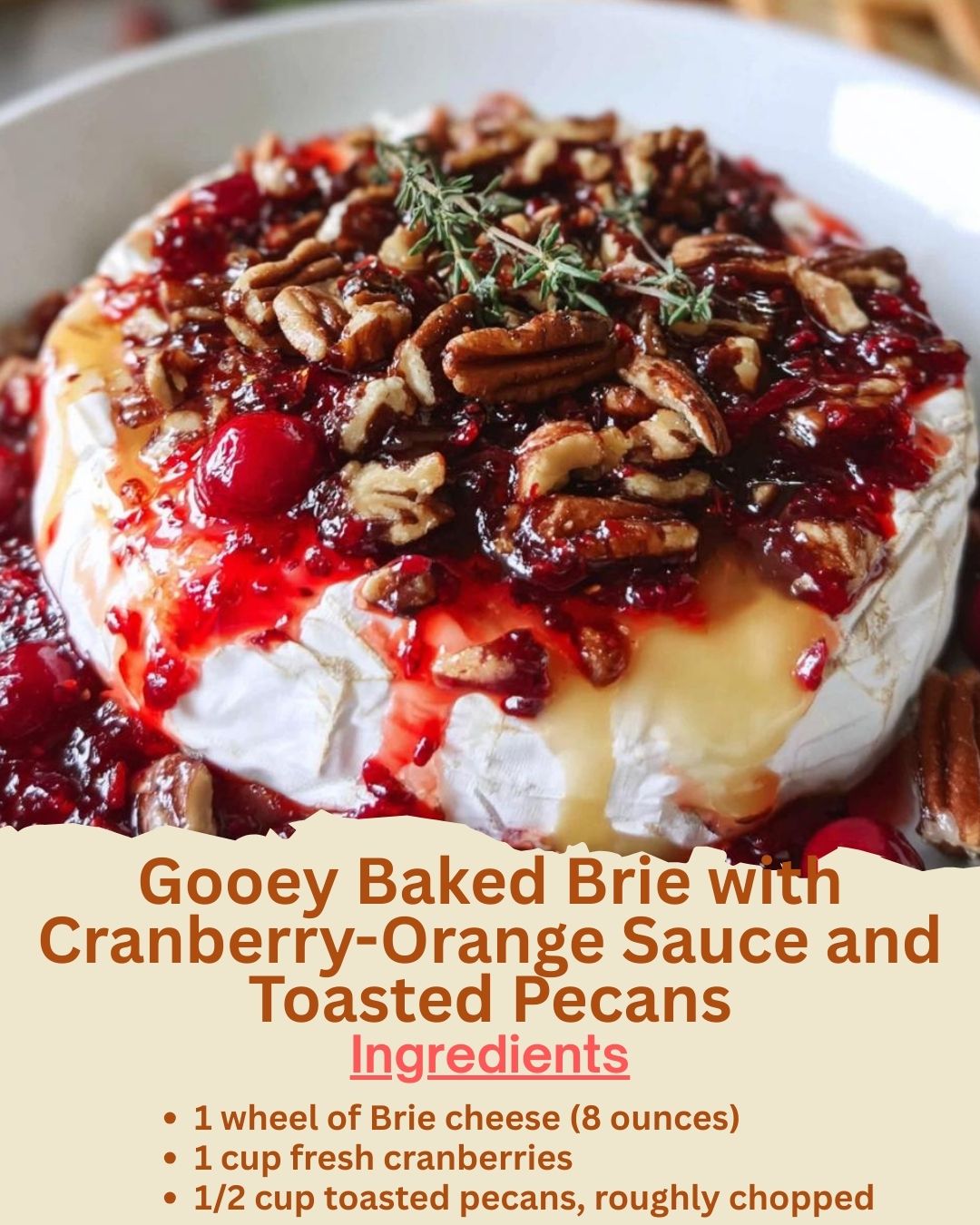
Now, for the assembly and bake. I pour about two-thirds of the warm cranberry sauce over the top of the scored Brie, letting it seep into the cuts. Then, I pile the maple-glazed pecans right on top. It goes into the oven for 12-15 minutes. Watch it closely! You’re looking for the Brie to visibly soften and lose its shape, and the sauce should be bubbling around the edges. I pull mine when it looks like a soft, warm pillow. I let it sit for 5 minutes—this rest period is crucial so it doesn’t erupt like a cheese volcano when you cut into it—then garnish with the remaining sauce and a sprig of thyme.
Pro Tips for Best Results
My biggest tip is about the Brie itself: use it cold. I tested this with room-temperature Brie once, thinking it might bake more evenly. It turned into a completely melted, un-scoopable mess in the oven. Starting with a cold wheel straight from the fridge gives you a much bigger window for that perfect gooey-but-held-together texture. The center gets molten while the outer structure just barely holds its majestic, wheel-like shape.
Don’t skip the orange zest. I’ve made the sauce with just juice, and it lacked a certain vibrant punch. The zest is where all the potent, fragrant citrus oils live. Adding it off the heat, after cooking the sauce, preserves that bright, sunny flavor. It’s the difference between a good sauce and a spectacular one. I use a microplane to get the finest zest without any of the bitter white pith.
For the pecans, the maple syrup toss is my secret weapon. I tried just using plain toasted pecans, and I tried tossing them in the sauce. The plain ones were fine, but the saucy ones got soggy. Tossing them in that single tablespoon of maple syrup with a pinch of salt creates these irresistible little sweet-and-salty clusters that add amazing textural contrast to the creamy cheese. It’s a tiny step that elevates the whole dish.
Common Mistakes to Avoid
The first time I made this, I used a baking dish that was far too large. My little Brie wheel looked lonely and lost, and the sauce just spread out into a thin, burnt layer on the dish. It was a sad sight. Now, I use a dish or skillet that’s just an inch or two larger in diameter than the cheese wheel itself. This keeps everything nestled together, ensuring every bite has the perfect cheese-to-topping ratio. (See the next page below to continue…)