
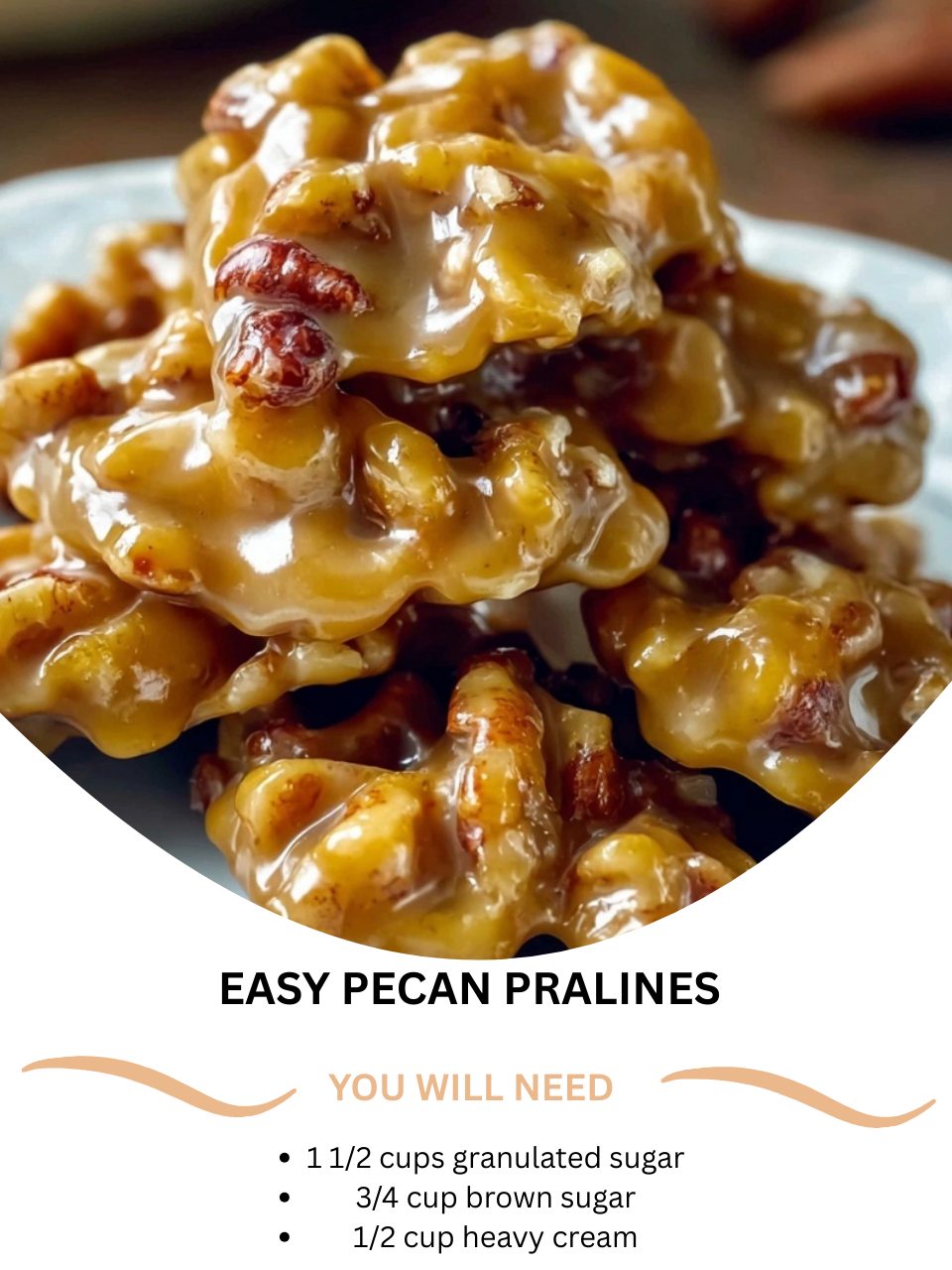
Once it’s cooled to 200°F, the magic happens. I add the toasted pecans and begin beating the mixture vigorously with my wooden spoon. I watch as it transforms from a glossy syrup to a thick, matte, creamy mass that holds onto the pecans. This takes about 2-3 minutes of steady beating. As soon as it thickens and loses its sheen, I work quickly. Using two spoons, I drop rounded tablespoonfuls onto the prepared parchment paper, spacing them apart. They will spread a little. If the mixture in the pot starts to harden before I’m done, I can gently re-warm it over low heat for a few seconds to make it pliable again.
Pro Tips for Best Results
My first pro tip is to use a candy thermometer. I’ve tried the cold water test (dropping a bit into ice water to see if it forms a soft ball), but a thermometer removes all guesswork. Accuracy is everything for the perfect soft-yet-set texture. Before you start, test your thermometer in boiling water; it should read 212°F. If it’s off, adjust your target temperature accordingly.
Second, don’t stir the syrup while it’s boiling. Once it comes to a boil and you’ve ensured the sugars are dissolved, leave it alone. Stirring can introduce sugar crystals into the syrup, which can seed crystallization throughout the entire batch, resulting in grainy pralines instead of smooth ones. Just let it bubble and watch the thermometer climb.
Finally, beat the mixture at the right temperature. Beating it while it’s too hot (above 210°F) won’t allow it to crystallize properly, and it will stay runny. Beating it when it’s too cool (below 190°F) will cause it to set up too fast in the pot. Waiting for it to cool to that 200°F sweet spot gives you the perfect window to achieve that creamy, fudge-like consistency that defines a great praline.
Common Mistakes to Avoid
The most common mistake is not using a heavy-bottomed pot. A thin pot will have hot spots that cause the sugar to burn before it reaches the correct temperature. I made this mistake with a cheap saucepan, and the entire batch had a bitter, scorched taste. A Dutch oven or heavy-bottomed saucepan distributes heat evenly and is your best defense.(See the next page below to continue…)