
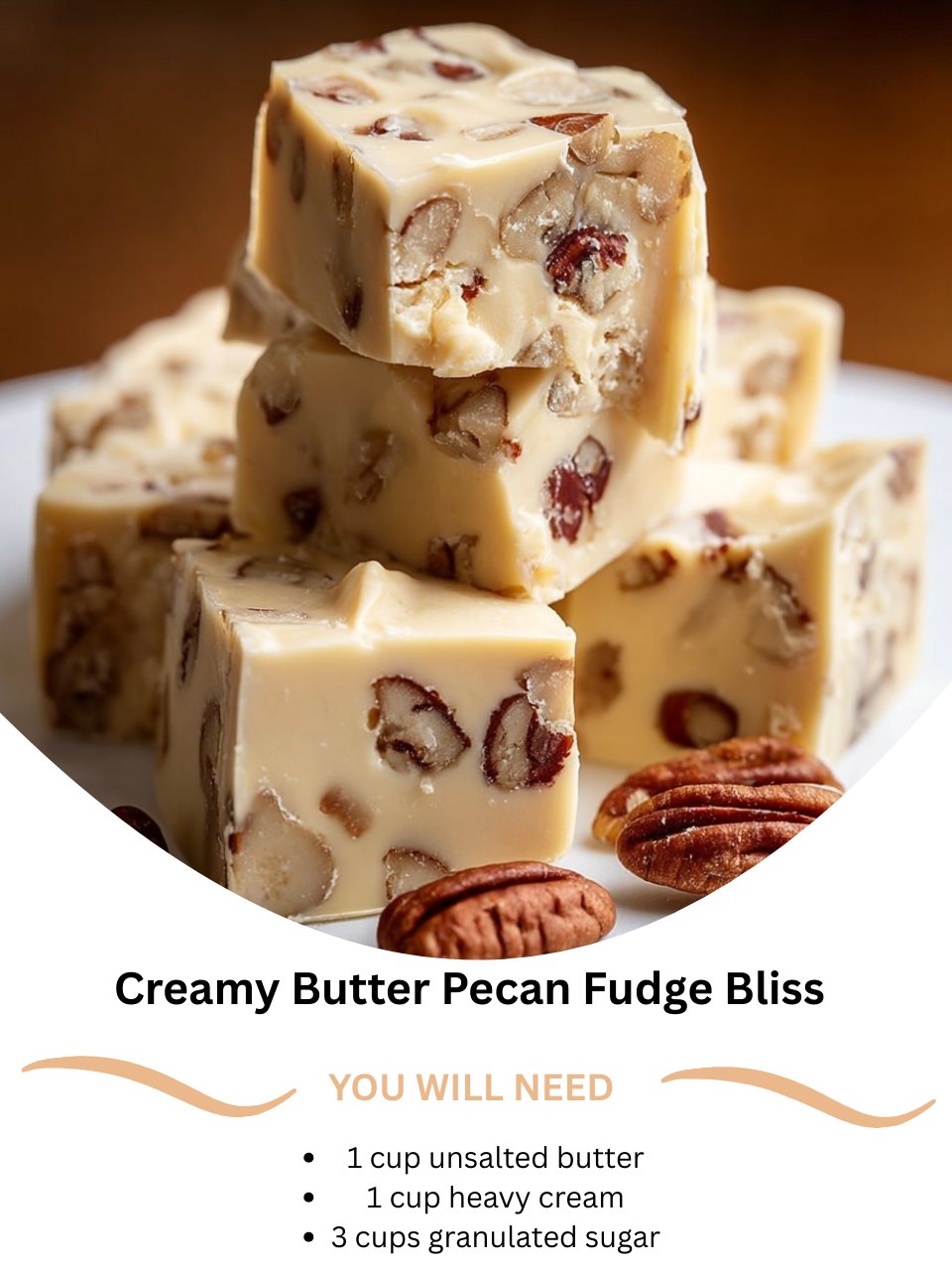
Just as the fudge thickens and becomes matte, I fold in the toasted pecans. I make sure they’re well-toasted for maximum flavor—a quick 8 minutes in a 350°F oven does the trick. I stir them in thoroughly but gently, then immediately pour the thick, nutty mass into my parchment-lined pan. I use a spatula greased with a tiny bit of butter to press it into an even layer. Then, the final test of willpower: I let it cool at room temperature for about 2 hours before transferring it to the refrigerator to chill completely and become firm enough to slice.
Pro Tips for Best Results
My first pro tip is all about the thermometer. Do not guess the temperature. I’ve tried the “soft-ball test” in ice water, and it’s too easy to misjudge. A reliable candy thermometer is your best friend and the only guarantee of perfect texture. Before you start, test your thermometer in boiling water; it should read 212°F. If it’s off, you’ll know to adjust your target temperature accordingly.
Second, toast your pecans properly. This is not an optional step for garnish. Toasting transforms them from bland and soft to fragrant, crunchy, and deeply flavorful. I spread them on a baking sheet and toast at 350°F for 7-9 minutes, watching closely, until they’re fragrant. Let them cool completely before adding them to the fudge, or they’ll melt the mixture and make it oily.
Finally, beat with conviction. When you start beating the cooled syrup, it will feel thin and hopeless for the first few minutes. Don’t give up! Keep beating vigorously. You’ll see it transform from a thin, glossy syrup to a thick, matte, and creamy fudge right before your eyes. This beating stage incorporates air and encourages the sugar to form tiny crystals, which is what gives old-fashioned fudge its signature smooth, creamy (not grainy) texture.
Common Mistakes to Avoid
The most common mistake is scraping the sides of the pot with your spoon after the mixture starts boiling. Any sugar crystals stuck to the side can fall back in and seed crystallization throughout the entire batch, resulting in grainy fudge. To prevent this, I use a wet pastry brush to wash down the sides of the pan just as the syrup comes to a boil, dissolving any stray sugar crystals.(See the next page below to continue…)