
Then, I add the eggs one at a time, mixing well after each addition. I like to throw in the vanilla extract at this point for an extra touch of warmth. After that, I gradually incorporate the dry ingredients into the butter and sugar mixture, alternating with the milk until everything is combined. The batter should be thick with a lovely caramel color, and I can’t resist stealing a taste! To finish it off, I gently fold in the diced apples and nuts if I’m using them, so they’re evenly distributed throughout the batter.
Now, it’s time to pour the batter into the prepared Bundt pan carefully. I make sure to spread it evenly and give the pan a gentle tap on the counter to release any air bubbles. Baking time usually takes about 50 to 60 minutes, but I keep a close eye on it and do the toothpick test—if it comes out clean, my cake is ready! Once baked, I let the cake cool in the pan for about 10 minutes before inverting it onto a wire rack.
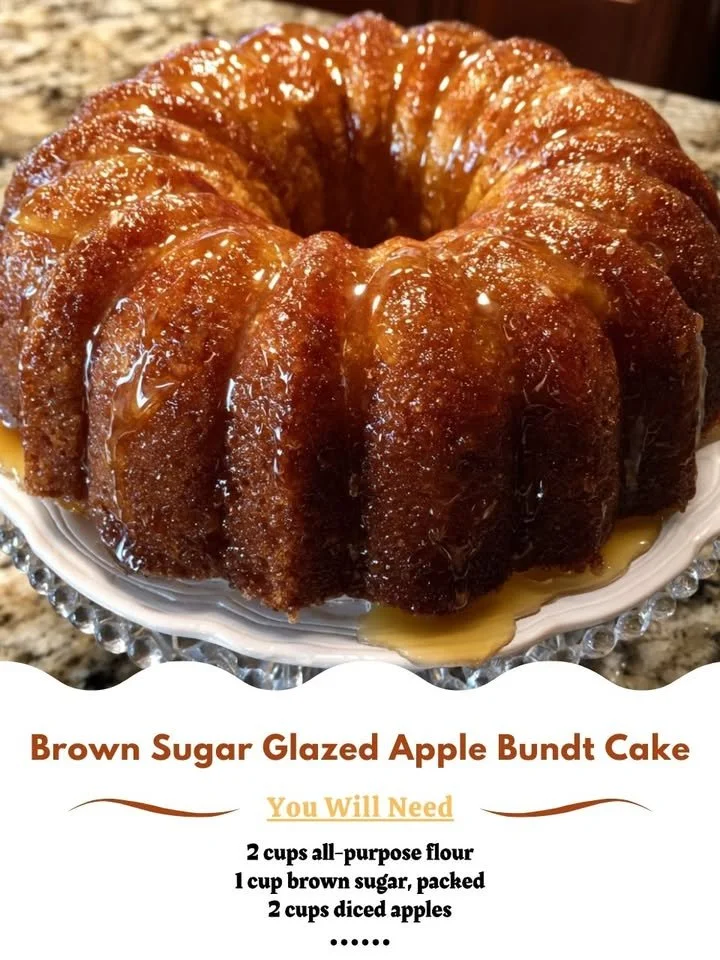
For the glaze, I combine brown sugar, butter, and a bit of cream in a small saucepan over medium heat. I continually stir until it’s smooth and has that gorgeous golden color. Once the cake is cooled, I drizzle the warm brown sugar glaze over the top, watching it cascade down the sides. There’s something undeniably satisfying about seeing that shiny glaze soaking into the cake, making it all the more inviting.
Pro Tips for Best Results
I tested this recipe three ways to find the best method for achieving that perfect texture. One of my favorite tips is to make sure your apples are diced evenly – this helps them cook uniformly and ensures every bite is bursting with flavor. I also like to let the cake cool completely before glazing it; this way, the glaze adheres perfectly without slipping off, leaving a beautiful finish that looks professional but is so easy to achieve!
Another trick I’ve learned is to try different types of apples for a unique twist each time. Granny Smith brings tartness, while Honeycrisp adds a lovely sweetness. I suggest mixing them for a delightful balance! And don’t skimp on the spices; they add warmth and depth that take this cake to a whole new level.
Lastly, I always recommend using room temperature ingredients, especially eggs and butter. It makes a huge difference in the blending process, allowing the batter to come together beautifully and creating a lighter, fluffier cake. Trust me; you’ll notice the difference in texture!
Common Mistakes to Avoid
One common mistake is not properly greasing the Bundt pan. There’s nothing worse than lifting that perfectly baked cake out only to have it stick to the pan! I learned this the hard way—using both butter and flour ensures a smooth release every time. Also, it’s crucial to let the cake cool in the pan for a short period before transferring it. If you try to remove it too soon, you risk it breaking apart.
Another pitfall can be overmixing the batter. It’s tempting to keep mixing until it looks perfectly smooth, but too much mixing can make the cake dense. I’ve found that mixing until just combined gives the best rise and texture, leaving you with a light and fluffy delight.
Lastly, don’t forget to check the cake for doneness. Ovens can vary, so even if the recipe says a specific time, the toothpick test is your best friend. Stick it into the center of the cake; if it comes out clean or with just a few crumbs, it’s time to take it out. (See the next page below to continue…)