
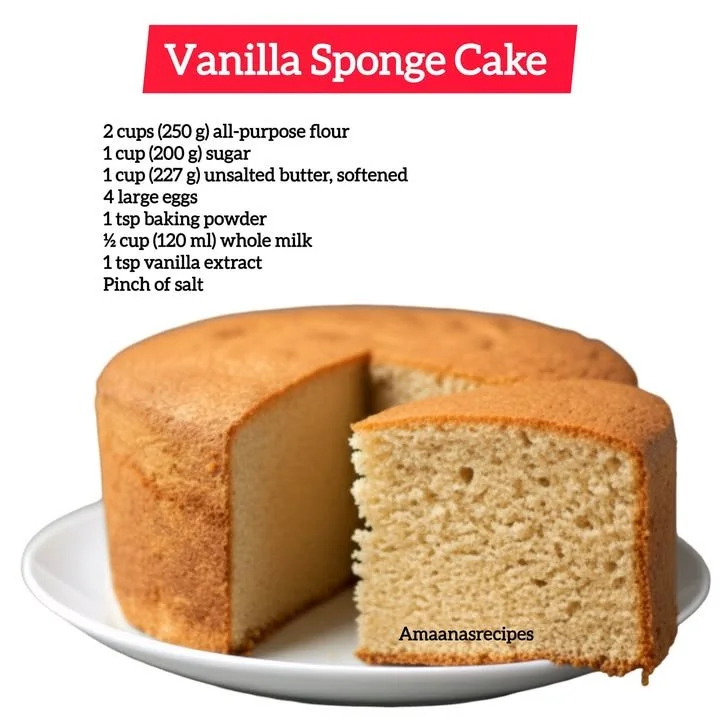
Next, I add in the eggs one at a time, mixing well after each addition. Then I pour in the vanilla extract, which always makes the batter taste divine. In another bowl, I whisk together my flour, baking powder, and salt. Gradually, I add this dry mixture to the wet ingredients, alternating with the milk. Mixing it just until combined is key—overmixing will lead to a dense cake, and nobody wants that!
Once the batter is ready, I gently divide it between the two prepared pans and smooth the tops with a spatula to make sure it bakes evenly. I then pop them into the preheated oven and bake for about 25-30 minutes, or until a toothpick inserted into the center comes out clean. The smell of the vanilla sponge cake filling my kitchen is pure bliss. After letting the cakes cool in the pans for about 10 minutes, I turn them out onto a cooling rack to cool completely before frosting.
Pro Tips for Best Results
I tested this recipe three ways—using methods like room temperature eggs and cold eggs—to see which produced the best texture. The room temperature eggs always yielded a fluffier cake, so I recommend taking the eggs out of the refrigerator ahead of time. Also, don’t rush the creaming process! Taking the time to beat the butter and sugar until light and fluffy really makes a difference in the sponge’s lightness.
Another tip I learned is to ensure your baking powder is fresh. I’ve made cakes that didn’t rise properly, only to discover that my baking powder was past its prime. A quick test is to mix a teaspoon of baking powder with hot water; if it bubbles vigorously, it’s still good!
Lastly, I’ve found that letting the cakes cool completely before frosting can prevent any melting or sliding—and trust me, it makes the decorating process so much easier and more enjoyable.
Common Mistakes to Avoid
One common mistake I made early on was not measuring my flour correctly. I would scoop it directly from the bag, leading to a dense cake. Now, I always spoon the flour into the measuring cup and level it off with a knife—it’s an extra step, but it really pays off! (See the next page below to continue…)