
Next, I gently fold the flour into the egg yolk mixture, careful not to deflate that wonderful airy texture I’ve created. In the other bowl, I whip the egg whites with a pinch of salt until soft peaks form. This step is crucial as it gives the ladyfingers their signature lightness. I then carefully fold the whipped egg whites into the yolk mixture in three parts, ensuring I keep as much air in the batter as possible.
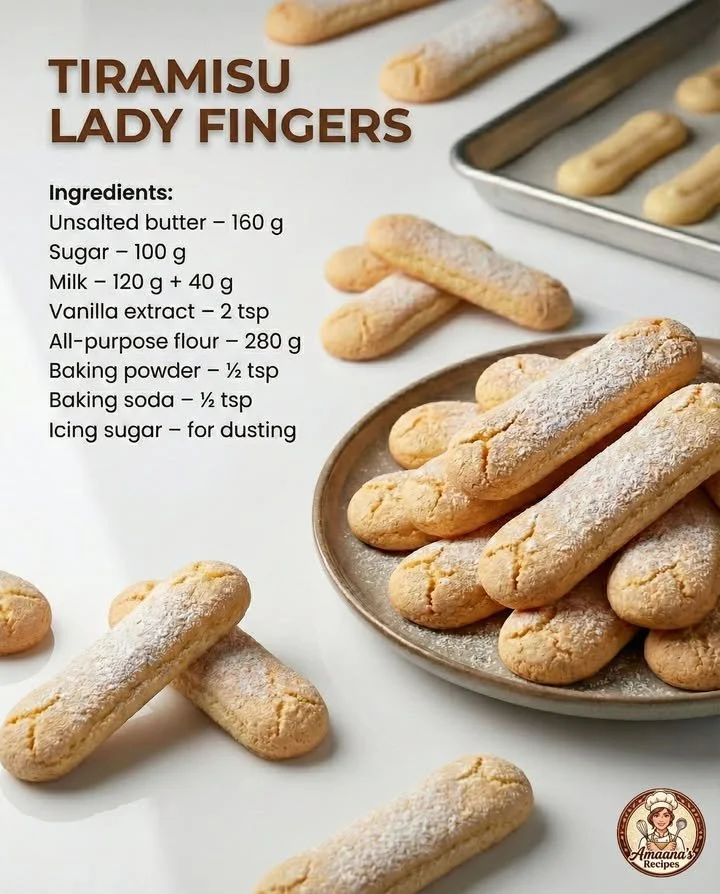
Once my batter is ready, I transfer it to a piping bag, which makes creating those charming ladyfinger shapes a breeze! I pipe about 3-inch long strips onto the prepared baking sheet, leaving some space between each one. Before they go into the oven, I dust the raw ladyfingers with powdered sugar, which helps give them that classic crispiness when baked. I bake them for about 10-12 minutes until they are slightly golden and spring back when touched.
As soon as they come out of the oven, I let them cool on the baking sheet for a few minutes before transferring them to a wire rack to cool completely. The smell of those warm, airy ladyfingers lingering in my kitchen is just divine!
Pro Tips for Best Results
I tested this recipe three different ways to get my ladyfingers just right, and I found that folding the egg whites in gradually made a huge difference in the texture. If you rush this step, you might end up with flat ladyfingers, which would be a sad day in my kitchen!
Another tip is to ensure your mixing bowls and utensils are completely grease-free. Even a little bit of grease can prevent your egg whites from whipping up properly. I always wipe my bowls down with a bit of vinegar before I start; it works wonders!
Lastly, don’t skip dusting with powdered sugar before baking. It creates a lovely crust on the outside and helps them retain moisture while baking. You want your ladyfingers to be light and crisp on the outside but still soft on the inside.
Common Mistakes to Avoid
One common mistake people make is overmixing the batter after adding the egg whites. I’ve been guilty of this myself! It’s tempting to whip it all together, but gentle folding is key. This is what helps your ladyfingers rise and be light and airy. (See the next page below to continue…)
Another area to watch is baking time. I once removed a batch too early, thinking they looked perfect, but they ended up being too soft. Ensure they’re firm to the touch but still have a slight spring when you poke them.
Make sure you use fresh eggs! I can’t stress this enough. Using room temperature eggs yields the best results in both the color and texture of your ladyfingers.
Lastly, remember that patience is important—allow the ladyfingers to cool properly before using them. I once couldn’t wait and started layering them in my tiramisu while they were warm, and the dessert didn’t set properly. That’s a mistake I won’t repeat!
Serving Suggestions
Now that we have our scrumptious ladyfingers ready, the possibilities for serving are endless! I usually layer them in a classic tiramisu with richly brewed espresso and a luxurious mascarpone cream. We all love a bit of cocoa powder on top for that finishing touch!
Alternatively, I find they’re delightful served alongside a dollop of whipped cream and fresh berries for a lighter dessert option. The soft texture of the ladyfingers pairs beautifully with the tartness of the berries.
For a fun twist, I sometimes serve them alongside a scoop of gelato or even dip them in melted chocolate for an indulgent treat. Trust me; it’s a crowd-pleaser at parties or casual get-togethers!
Variations & Customizations
If you want to play around with flavors, you absolutely can! I’ve experimented by adding a splash of almond extract or even a bit of finely grated lemon zest to the batter, which gives the ladyfingers a refreshing twist. It offers a delightful contrast to the coffee in the tiramisu.
For the coffee lovers, infusing the batter with a touch of espresso or coffee granules is an excellent enhancement. I’ve found it intensifies the flavor and makes those ladyfingers pop with an extra kick!
Lastly, if you prefer a gluten-free version, you can easily swap out the all-purpose flour for a gluten-free blend. I’ve tested this too, and the results are just as fluffy and delicious.
How to Store, Freeze & Reheat
I usually store my ladyfingers in an airtight container at room temperature if I plan to use them within a couple of days. They tend to dry out if exposed to air for too long, so sealing them well is essential!
If I’m preparing for a bigger occasion, I like to freeze any leftovers I’ve made. They freeze beautifully! Just layer them between sheets of parchment paper in an airtight container, and they can last for up to three months in the freezer.
When it’s time to use them, I let them thaw at room temperature for an hour or so—you’ll notice they return to their lovely, fluffy state. Just don’t reheat them in the microwave, as that could ruin their texture. Enjoy them as they are for best results!
Conclusion
I hope you feel inspired to try making these homemade Tiramisu ladyfingers! There’s nothing quite like the satisfaction of biting into something you created with your own two hands. Plus, the joy you’ll bring to your family and friends is priceless. Happy baking, and I can’t wait to hear how your kitchen adventures go!