
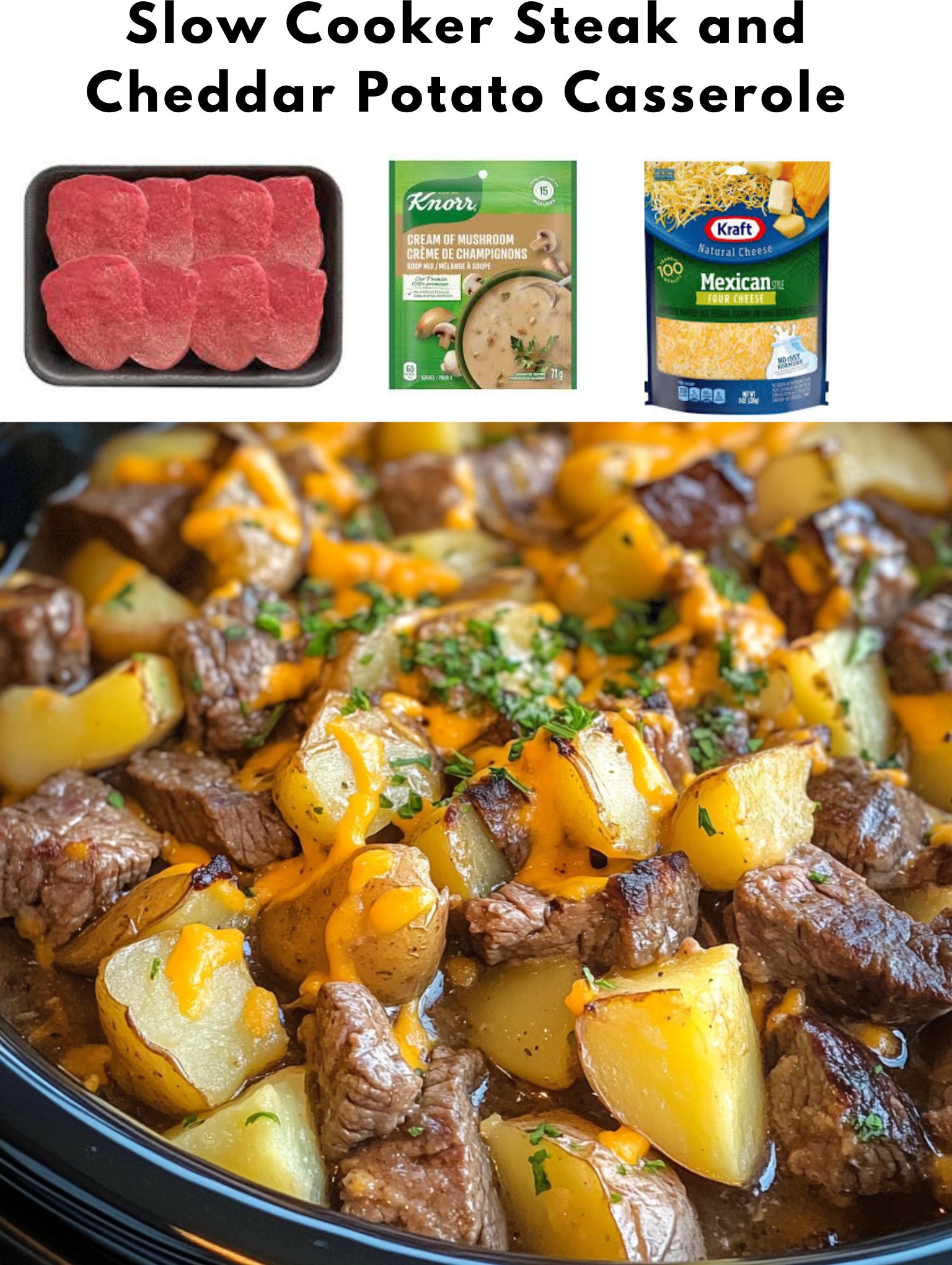
Another common error is overfilling the slow cooker. You need to leave some space at the top for the steam to circulate and for the ingredients to bubble without spilling over. If your slow cooker is smaller than 6 quarts, you may need to reduce the recipe by a quarter. I once packed mine to the brim, and it took nearly twice as long to cook through, and the top potatoes remained hard. Leave about an inch of space from the top rim.
Using the wrong type of potato can also lead to problems. Waxy potatoes like red potatoes or Yukon Golds hold their shape too well for this recipe and can end up slightly al dente in the creamy sauce. Starchy russet potatoes are ideal because they break down just enough to help thicken the sauce and absorb all the wonderful flavors, giving you that perfect, soft, comforting texture. They are the backbone of this dish.
Finally, skipping the rest time before serving is a disservice to your meal. When you first take off the lid, the casserole is bubbling and very loose. If you scoop it immediately, it will be soupy on the plate. Letting it sit, off the heat but still in the warm slow cooker, for 10-15 minutes allows the starches to set and the sauce to thicken into a rich, cohesive coating for the steak and potatoes. This rest is the difference between a sloppy mess and a perfect, hearty casserole.
Serving Suggestions
I love serving this casserole right from the slow cooker set on the table (on a trivet!). It’s a beautiful, communal way to eat. I garnish the top with a sprinkle of fresh chopped parsley or chives for a pop of color and freshness that cuts through the richness. A simple green vegetable on the side is the perfect accompaniment. I usually go for steamed green beans, roasted broccoli, or a crisp garden salad with a tangy vinaigrette to balance the heaviness of the dish.
For a truly comforting, carb-on-carb experience (which I fully endorse on some days), a side of warm, buttered dinner rolls or crusty bread is non-negotiable. It’s perfect for sopping up every last bit of the creamy sauce. If I’m serving this for a weekend brunch or a casual gathering, I’ll sometimes offer a side of pickled vegetables, like giardiniera or pickled jalapeños, to add a bright, acidic contrast that really wakes up the palate.
This casserole is a complete meal in one pot, so you don’t need to get fancy. On a busy weeknight, I often serve it as-is, straight into bowls. It’s incredibly filling and satisfying. For my kids, I sometimes scoop it over a slice of toast to make an open-faced sandwich of sorts. It’s the ultimate versatile, no-fuss main dish that pleases everyone.
Variations & Customizations
This recipe is wonderfully adaptable. If you’re not a fan of cream of mushroom soup, you can substitute cream of celery or cream of onion with great results. For a richer, beefier flavor, replace the milk with beef broth. I’ve also made a “loaded” version by adding a layer of cooked, crumbled bacon between the potato layers and mixing a half-cup of real bacon bits into the French fried onion topping—it was a spectacular hit.
Feel free to play with the vegetables. I’ve added a layer of thinly sliced onions or a bag of frozen mixed vegetables (thawed and drained) between the potato layers for extra nutrition and color. Adding a cup of sliced mushrooms sautéed with the garlic would also be fantastic and enhance the earthy flavors. If you like a little heat, a diced jalapeño or a teaspoon of crushed red pepper flakes in the sauce mixture adds a nice kick.
You can easily change up the cheese and topping. A Monterey Jack and cheddar blend is delicious. For a sharper bite, use extra-sharp white cheddar. Instead of French fried onions, you could top it with buttery breadcrumbs, crushed Ritz crackers mixed with melted butter, or even more shredded cheese for an ultra-cheesy crust. The basic formula of potatoes + protein + creamy binder + cheese is endlessly customizable.
How to Store, Freeze & Reheat
Leftovers store beautifully. Let the casserole cool completely, then transfer it to an airtight container. It will keep in the refrigerator for 3-4 days. The flavors actually deepen overnight, making the leftovers something to look forward to. To reheat, I recommend the oven or toaster oven for the best texture. Place individual portions in an oven-safe dish, cover with foil, and bake at 350°F for 15-20 minutes, or until heated through. The microwave will work in a pinch but can make the potatoes a bit rubbery.
You can freeze this casserole, but with a caveat about the potatoes. The texture of the potatoes can become a little grainy or watery after thawing and reheating. For best freezing results, assemble the casserole completely but do not cook it. Wrap the entire insert (if it’s removable) or a prepared baking dish tightly in plastic wrap and then foil. Freeze for up to 2 months.
To cook from frozen, thaw it overnight in the refrigerator. Then, cook it as directed, though you may need to add an extra 30-60 minutes on LOW since it will be starting from a cold temperature. You can also bake a frozen-assembled casserole in a 350°F oven, covered, for about 1.5 to 2 hours, until bubbly and cooked through. I don’t recommend freezing already-cooked leftovers, as the texture suffers significantly.
Conclusion
This Slow Cooker Steak and Cheddar Potato Casserole is the very definition of dependable, hearty comfort. It’s the recipe I turn to when I need a guaranteed win with minimal effort, and it never, ever disappoints. I hope it finds a permanent spot in your meal rotation, bringing warmth, ease, and delicious satisfaction to your table for years to come. Just set it, forget it, and come home to a meal that feels like a hug.