
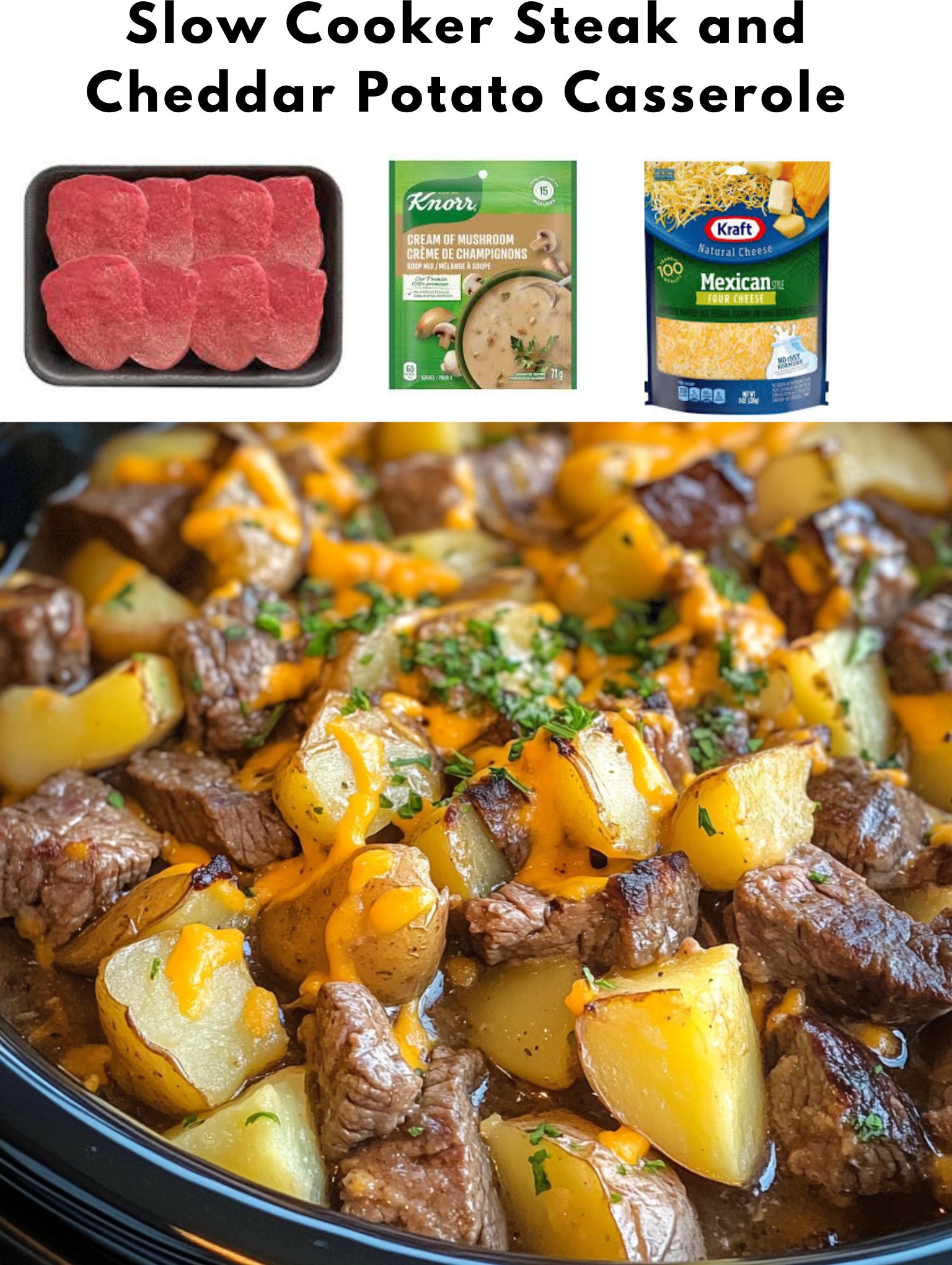
During the last 30 minutes of cooking, it’s time for the grand finale. Carefully remove the lid—be mindful of the steam! Sprinkle the remaining 1 cup of shredded cheddar cheese over the top of the casserole. Then, evenly scatter the French fried onions over the cheese. Place the lid back on and let it cook for the final 30 minutes. This allows the cheese to melt into a glorious blanket and the fried onions to soften just slightly while retaining their crunch. When you lift the lid, you’ll be greeted by a bubbling, golden, aromatic masterpiece. Let it rest for 10-15 minutes before serving; this allows the sauce to thicken slightly so you get perfect, scoopable servings.
Pro Tips for Best Results
My top tip is all about the potato prep. I tested this three different ways: with cubed potatoes, with thicker slices, and with thin, uniform slices. The thin, uniform slices are the undisputed winner. They cook through evenly and create lovely distinct layers. A mandoline slicer is the best $20 you can spend for this recipe. If you don’t have one, take your time with a sharp knife and aim for consistency. Also, don’t skip rinsing the sliced potatoes in cold water and patting them dry. This removes excess starch and prevents the casserole from becoming gummy.
The cut of steak matters more than you might think. I’ve used everything from expensive tenderloin to tougher chuck roast. For the perfect balance of flavor, tenderness, and value, sirloin steak is your best bet. It stays tender during the long cook without becoming mushy or stringy. Cutting it against the grain into uniform cubes is crucial for that perfect bite. I tried using pre-cut “stew meat” once, and it was too uneven and tough. A few extra minutes of prep with your own steak pays off immensely.
Don’t rush the cooking process. This is a slow cooker recipe for a reason. The LOW setting is truly superior here. The gentle, prolonged heat breaks down the steak’s fibers and slowly cooks the potatoes, allowing all the flavors to meld into something greater than the sum of its parts. Cooking on HIGH can sometimes lead to the bottom layer burning before the top is cooked through, especially in older slow cookers. If you must use HIGH, check it at the 3.5-hour mark. But if you have the time, low and slow is the way to go.
Common Mistakes to Avoid
The first mistake I made was not greasing the slow cooker. I thought, “It’s plenty wet, it’ll be fine.” Wrong. The cheese and sauce caramelize at the edges and can stick fiercely, making cleanup a nightmare and losing those delicious crispy bits. A quick spray of non-stick cooking spray on the insert before you start layering saves so much frustration later. I now do this for every slow cooker casserole, no exceptions. (See the next page below to continue…)