
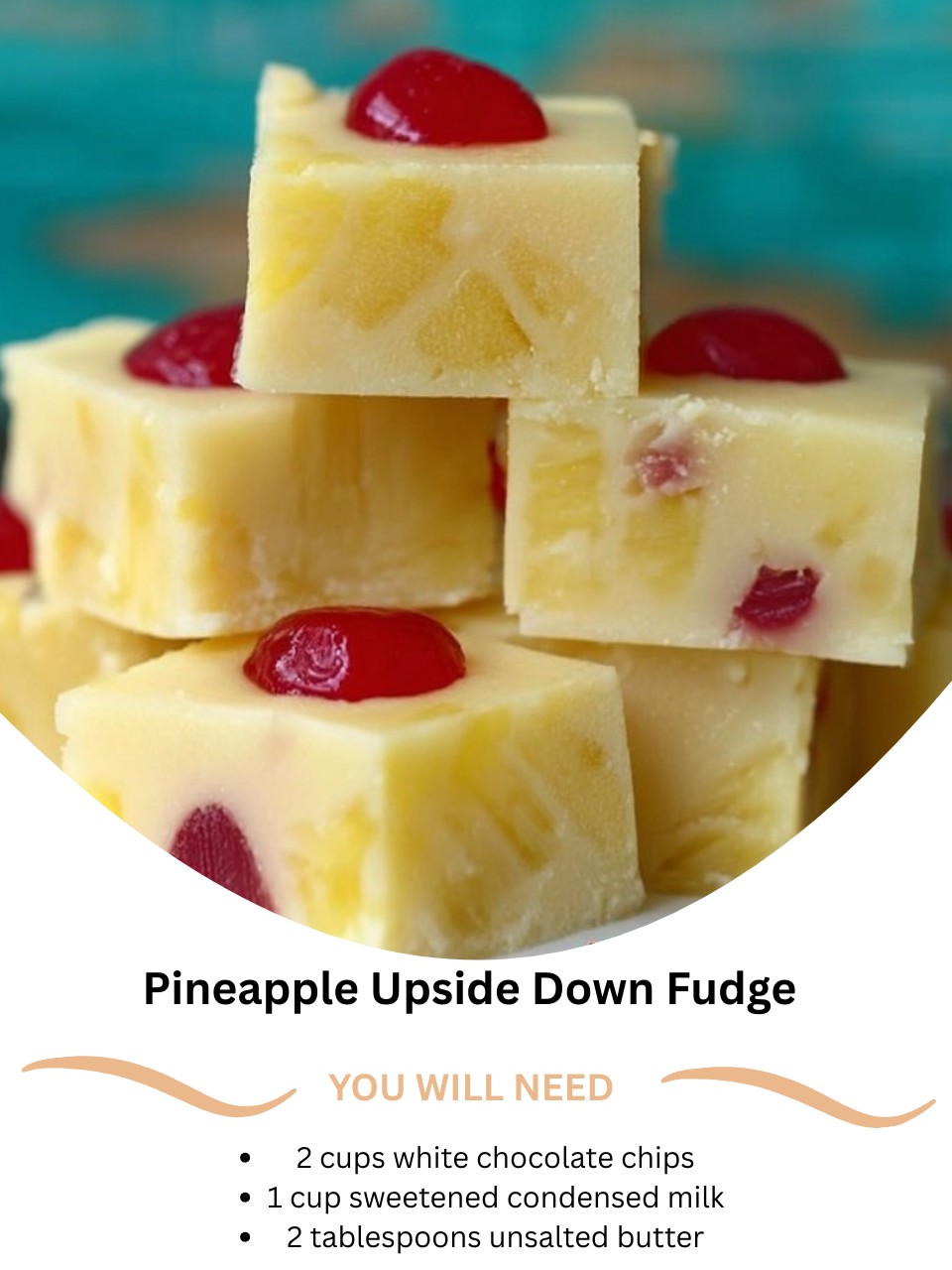
Now comes the hardest part: the wait. I let the pan cool on the counter for about 30 minutes before transferring it, uncovered, to the refrigerator. It needs to chill for a solid 4 hours, or better yet, overnight. This allows it to set completely firm. The first time I made this, I tried to invert it after only 2 hours, and it was a sloppy, heartbreaking mess. Trust the full chill! When it’s time, I run a knife around the very edge, grab the parchment overhang, and confidently lift the entire block out onto a cutting board. The big reveal—flipping it over so the gorgeous caramelized fruit is on top—is a moment of pure kitchen triumph.
Pro Tips for Best Results
First, drain and dry your pineapple like your fudge depends on it—because it does. Canned pineapple holds a lot of juice, and extra moisture is the enemy of a smooth, firm fudge texture. After draining in a sieve, I spread the pineapple chunks on a triple layer of paper towels and pat them firmly until the towels come away almost dry. This simple step prevents a weepy, soggy bottom layer and ensures clean slices.
My second tip is about the caramel layer. Don’t walk away from the brown sugar and butter! It goes from perfect to burnt in seconds. I keep the heat at a steady medium and stir nonstop for just 2-3 minutes until it’s fully dissolved and bubbly. Pouring it into the pan immediately stops the cooking. Also, using a metal pan is key here. I tried a glass dish once, and the caramel didn’t set as firmly, making the final flip much trickier.
Finally, use the best white chocolate you can. I’ve tested this with generic chips and high-quality baking bars, and the difference in flavor and smoothness is night and day. A good white chocolate has a creamy vanilla flavor, while cheaper ones can taste waxy and overly sweet. Since the fudge base is primarily white chocolate, this ingredient makes the single biggest difference in the final taste. Trust me, do not skimp here.
Common Mistakes to Avoid
The most common mistake is using fresh or frozen pineapple. I tried using fresh pineapple for a “healthier” version, and the enzymes (bromelain) prevented the fudge from setting properly, and it released far too much water. Canned pineapple in juice is pasteurized, which deactivates those enzymes, and its consistent sweetness and texture are perfect for this recipe. It’s a non-negotiable swap for guaranteed success.(See the next page below to continue…)