
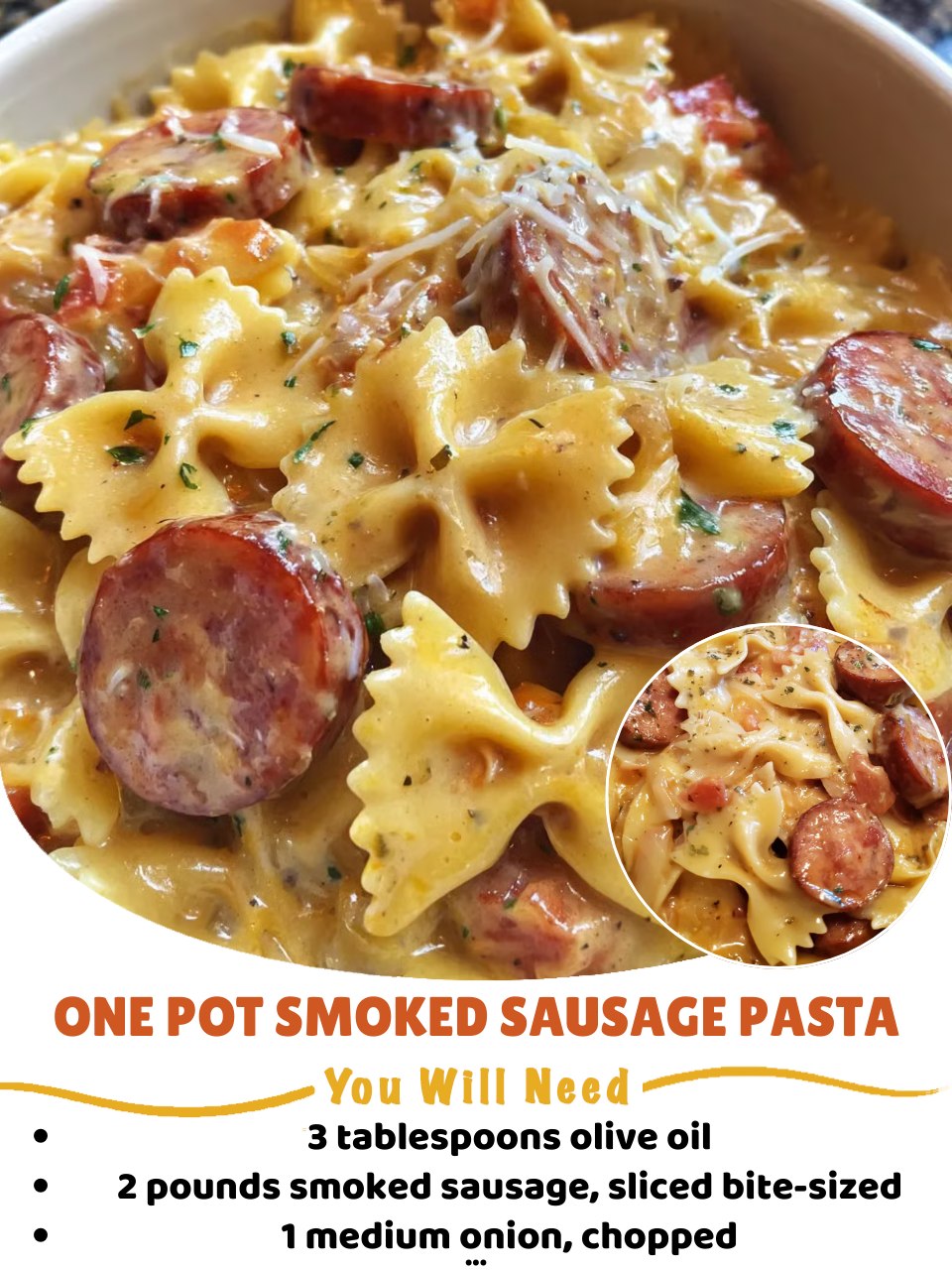
When the pasta is al dente and most of the liquid is absorbed, I turn off the heat. If I’m using spinach, I stir it in now—it wilts perfectly in the residual heat. Then, I stir in the shredded Parmesan cheese until it melts into a velvety, cohesive sauce. The sauce will seem a little loose at first, but it thickens up beautifully as it sits for a few minutes. I taste and adjust for seasoning—sometimes the sausage and broth are salty enough, but I might add a pinch more salt or pepper. I let it rest, covered, for 5 minutes. This rest is crucial; it allows the sauce to cling to the pasta perfectly. I garnish with fresh parsley and more Parmesan before serving.
Pro Tips for Best Results
My number one tip is about the sear on the sausage. I’ve tested this by just warming the sausage through versus taking the time to get a proper brown. The difference in flavor is night and day. That Maillard reaction (the fancy term for browning) adds a depth and richness that permeates the entire dish. Don’t crowd the pan; give the slices space. If you need to, brown them in two batches. It’s an extra two minutes that pays off hugely.
The second tip is all about liquid and pasta choice. Different pasta shapes and brands absorb liquid at different rates. I prefer sturdy, short shapes like penne or cavatappi that hold up well. It’s crucial to use the low-sodium chicken broth. Between the sausage, canned tomatoes, and Parmesan, there’s plenty of salt. Regular broth can make the final dish too salty. If you find your pasta has absorbed all the liquid but isn’t quite tender, just add a splash more broth or water and continue cooking for a few minutes.
Finally, don’t skip the rest time at the end and be cautious with the cheese. Adding the Parmesan off the heat prevents it from clumping or becoming stringy. Letting the pasta sit for 5 minutes after stirring in the cheese allows the starch from the pasta to finish thickening the sauce naturally, giving you that perfect, glossy coating. If you serve it immediately, it can be a bit soupy. A little patience here gives you the ideal creamy consistency.
Common Mistakes to Avoid
The first mistake I made was using the wrong size pot. I tried to cram everything into a 4-quart pot, and it bubbled over spectacularly, creating a starchy, sticky mess on my stovetop. You need a large, heavy-bottomed pot or Dutch oven (at least 6 quarts) to give the pasta and liquids plenty of room to bubble and cook evenly without threatening to escape. A good, wide pot is your best friend for one-pot pasta success. (See the next page below to continue…)