
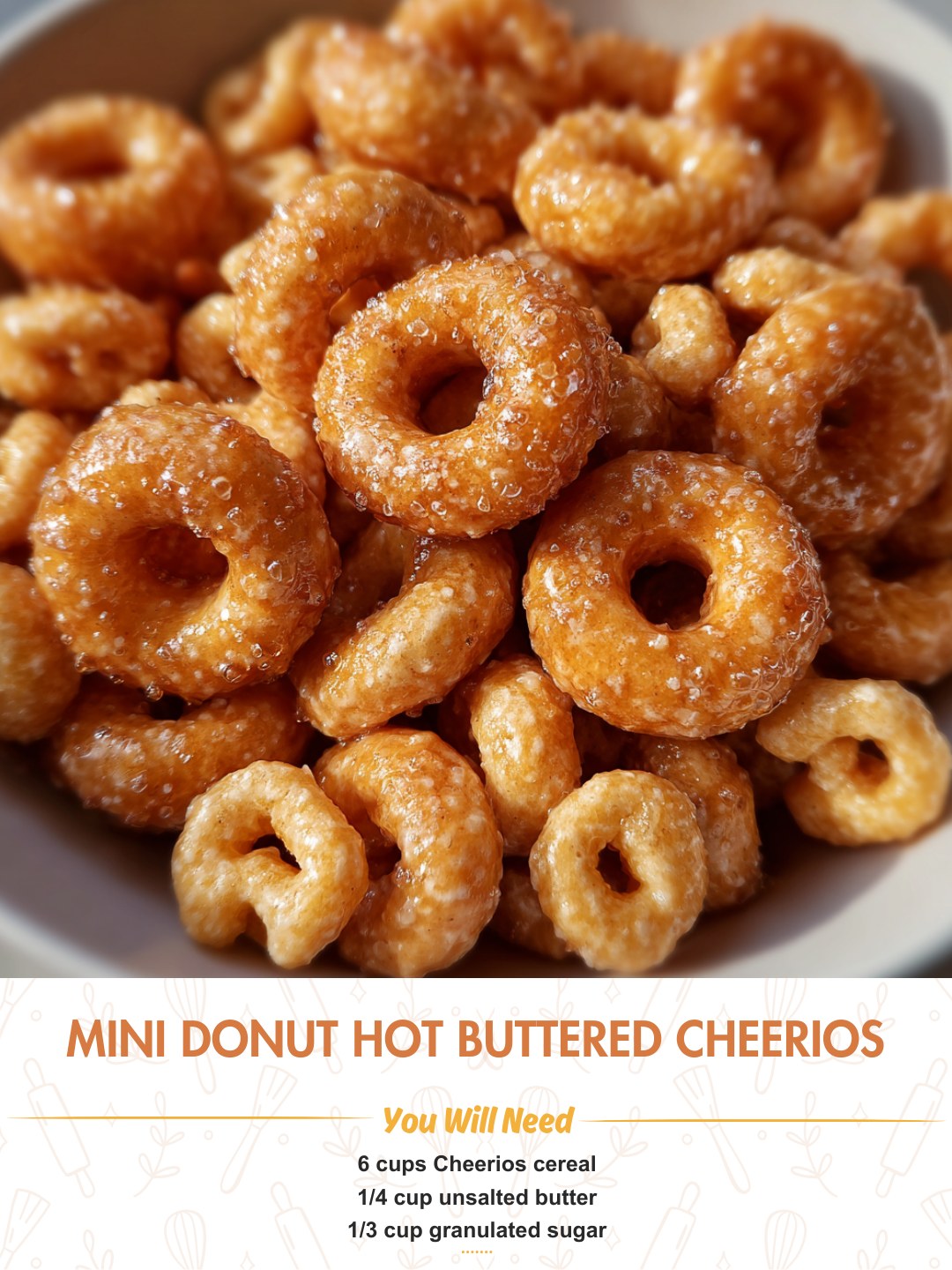
The moment I take the skillet off the heat, I sprinkle about half of my sugar-spice mixture over the hot Cheerios. I toss vigorously to coat, then add the remaining half and toss again. The residual heat from the pan and cereal helps the sugar adhere perfectly, creating that iconic, slightly sandy, sweet coating. I then immediately transfer them to a large baking sheet or a big piece of parchment paper to cool in a single layer. Letting them cool in the hot pan will make them steam and lose their wonderful crunch.
Pro Tips for Best Results
I tested the butter temperature three different ways: cold cereal into cold butter (a soggy mess), cereal into browned butter (bitter and too rich), and cereal into perfectly melted, foaming butter. The third method is the absolute winner. The butter should be fully liquid and just beginning to bubble with tiny foams around the edges, but not yet taking on any brown color. This provides the perfect amount of heat to toast the cereal without burning the milk solids in the butter.
Here’s what I learned the hard way about the tossing process: you must use a large enough skillet. I tried to cram six cups of cereal into a 10-inch pan, and I couldn’t toss them properly. The Cheerios on the bottom got over-toasted while the ones on top were merely warm. A 12-inch skillet gives you the space to fold and stir everything evenly. If you only have a smaller pan, work in two batches. It’s worth the extra few minutes for a consistent, perfect toast on every piece.
For the ultimate crunch and coating, spread the finished Cheerios out in a single, thin layer on a cool baking sheet. This allows them to cool and crisp up evenly. If you pile them into a bowl while still hot, they will trap steam and become slightly chewy instead of maintaining that delightful snap. I let mine cool for a full 10-15 minutes before transferring to a serving bowl. This patience pays off in the perfect texture.
Common Mistakes to Avoid
My biggest first-time mistake was using salted butter and still adding the salt to the sugar mixture. It was a salt bomb! The delicate balance was completely off, and all I could taste was saltiness competing with the sugar. Always start with unsalted butter so you are in full control of the seasoning. That quarter teaspoon of salt mixed with the sugar is the perfect amount to elevate all the other flavors without being detectable as “salty.”(See the next page below to continue…)