
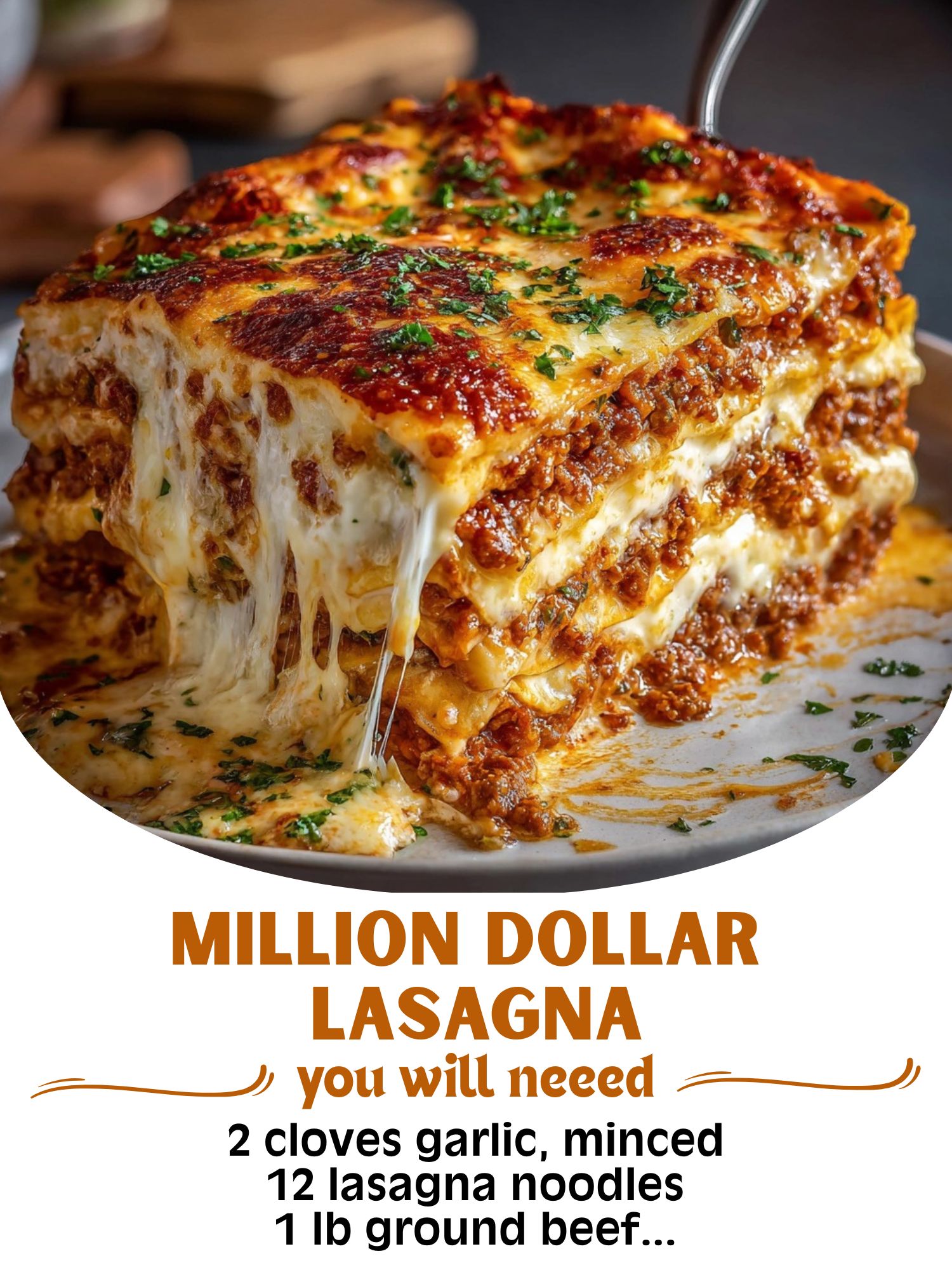
Assembly is my favorite, almost meditative part. I spread a thin layer of meat sauce on the bottom of my baking dish to prevent sticking. Then, I place 4 noodles slightly overlapping. Next, I spread one-third of the ricotta mixture over the noodles, followed by one-third of the remaining meat sauce, and a generous sprinkle of shredded mozzarella. I repeat these layers two more times. For the grand finale, I top the final noodle layer with the last of the meat sauce, the last of the mozzarella, and a hearty shower of the remaining 1/2 cup of Parmesan. I cover the dish tightly with foil.
Pro Tips for Best Results
The resting time is the most important step you cannot rush. After baking, I let my lasagna rest on the counter, still covered in foil, for a full 25-30 minutes. This allows the layers to set. If you cut in immediately, it will be a delicious but soupy mess. The wait is agonizing but transformative—it guarantees those iconic, clean layers when you serve.
I tested no-boil noodles versus traditional. While convenient, no-boil noodles often suck up too much moisture, leaving you with a drier lasagna, or not enough, leaving a firmer bite. Par-boiling traditional noodles to al dente gives you total control over the final texture. It’s one extra pot, but for a “Million Dollar” result, it’s worth it.
Use whole milk ricotta. I tried part-skim once, and the filling was less creamy and almost grainy. The higher fat content in whole milk ricotta makes the cheese layer luxuriously smooth and rich. Draining any excess liquid from the ricotta tub before mixing is also a great trick for a thicker filling.
Common Mistakes to Avoid
My biggest first-time mistake was using a watery, quick-cooked sauce. I simply browned the meat, dumped in the tomatoes, and assembled. The result was a lasagna swimming in liquid with bland flavor. Don’t do what I did! The long, slow simmer is what concentrates the flavors and evaporates excess liquid, creating a sauce thick enough to coat a spoon. (See the next page below to continue…)