
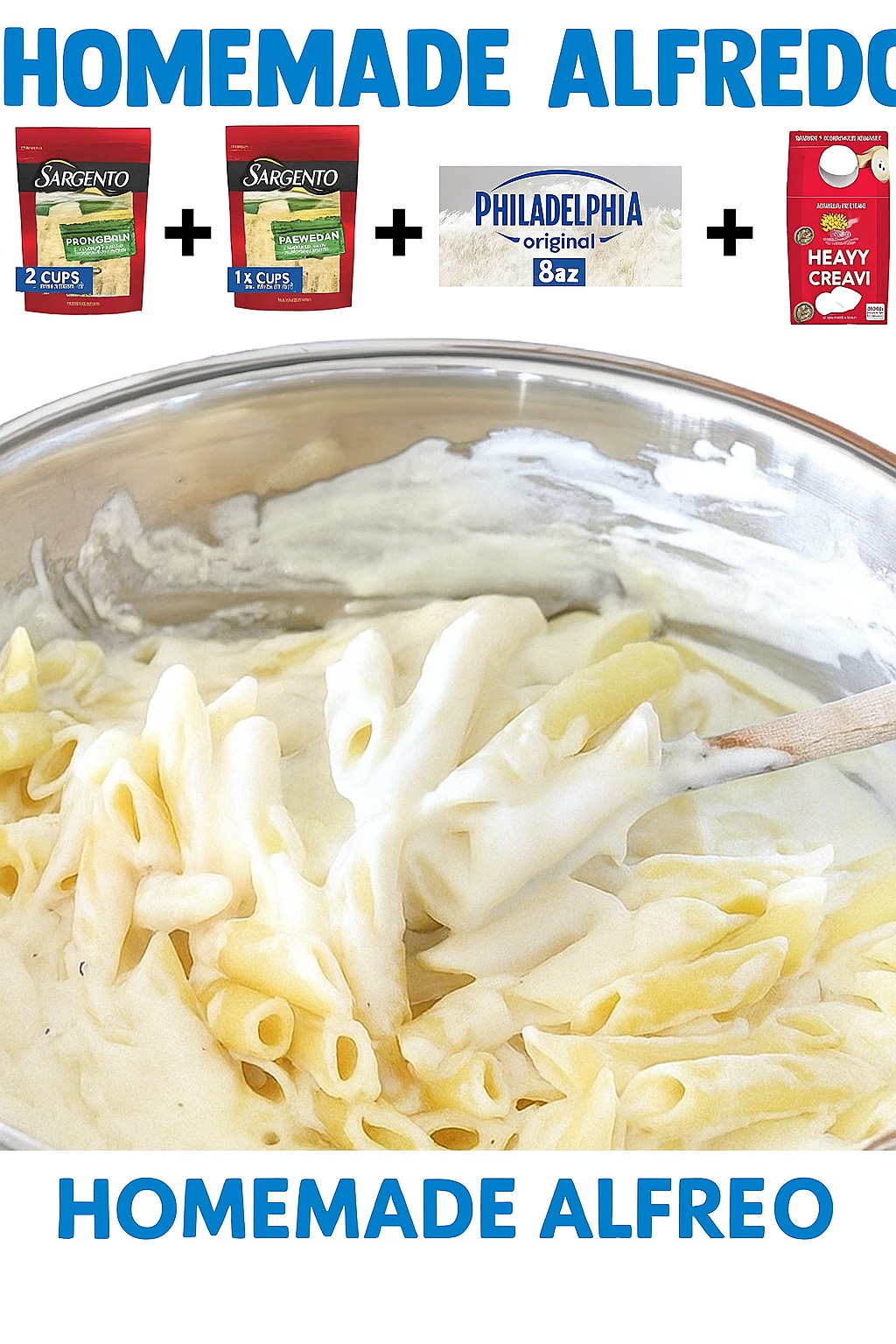
Now, for the moment of transformation. I turn the heat down to the lowest possible setting. I take my freshly grated Parmesan and add it to the cream mixture one handful at a time, whisking constantly. This is not the time to walk away! The cheese will melt slowly into the hot cream, creating a smooth, velvety emulsion. I whisk until every shred is fully incorporated before adding the next handful. Once all the cheese is in, I add the nutmeg—a tiny amount that works magic in the background—and a pinch of white pepper. The sauce will be luxuriously thick and coat the back of a spoon beautifully.
The final, critical step is marrying the sauce with the pasta. I always time it so my fettuccine is done just as the sauce is ready. I reserve about a cup of the starchy pasta water before draining. Then, I add the hot, drained pasta directly to the skillet with the Alfredo sauce. Using tongs, I toss and swirl vigorously, adding a splash of that reserved pasta water as needed. The starch in the water helps the sauce cling to the pasta in a glossy, restaurant-perfect way. I serve it immediately; Alfredo waits for no one.
Pro Tips for Best Results
My number one, non-negotiable tip is about the cheese. You must use real Parmigiano-Reggiano or a high-quality Parmesan block and grate it yourself freshly. Do not, under any circumstances, use the pre-grated cheese in a canister. I tested this side-by-side, and the pre-grated version, which contains anti-caking agents like cellulose, refused to melt smoothly. It created a grainy, clumpy sauce that broke almost instantly. The fine, fluffy texture of freshly grated cheese is the secret to that signature silky finish.
Second, control your heat. Alfredo sauce is a delicate emulsion of fat (butter and cream) and cheese. If you apply too much heat, especially after adding the cheese, the fats will separate, and you’ll end up with an oily, greasy pool. I keep the flame on the lowest setting once the cream is simmering and am never in a rush. If your sauce looks like it’s starting to “break” or look oily, immediately remove it from the heat and whisk in a tablespoon of cold cream. This can often bring it back together.
Finally, salt with extreme caution. Parmesan cheese is naturally very salty. I made the mistake of salting the sauce early on, and the finished dish was inedible. Now, I wait until the very end, after the sauce and pasta are combined, to even think about adding salt. I always taste first. Usually, the salt from the cheese and the salted pasta water is plenty. This small moment of patience prevents the most common seasoning disaster with this recipe.(See the next page below to continue…)