
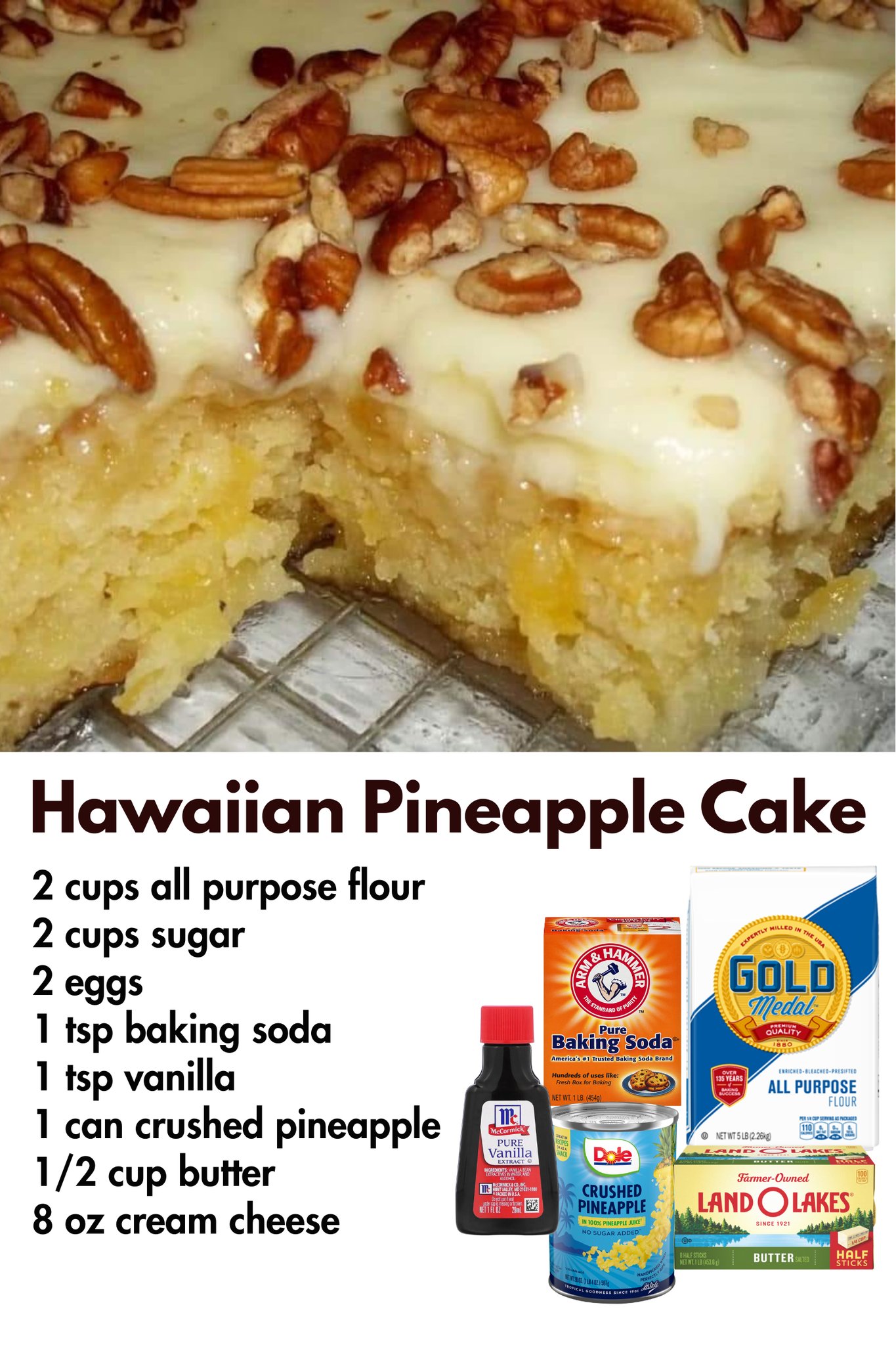
Don’t forget to let the cake cool before adding the topping if your recipe is structured that way, but in our case, the hot cake is essential. However, a mistake I did make was not spreading the topping quickly enough. The hot cake acts like a sponge, and if you let the topping sit in the saucepan too long, it can start to thicken and become harder to spread evenly. Have your topping ready to go the moment the cake leaves the oven.
Avoid walking away during the broiler step. I learned this the hard way when a phone call distracted me for what felt like 30 seconds. I returned to a topping that had gone from golden to charred in spots. The broiler is incredibly powerful. Set a timer for 2 minutes, stand by the oven, and watch for that perfect, even toast. It can go from perfect to burnt in a matter of seconds, so vigilance is your best friend here.
Finally, don’t try to slice and serve the cake immediately. The topping needs time to set into that magical, chewy-crisp texture. Cutting into it while it’s piping hot will cause the topping to ooze and the cake to crumble. I know it’s tempting, but giving it that 30-minute rest on a cooling rack makes for clean, beautiful slices that hold their shape. It’s worth the wait.
Serving Suggestions
I love serving this cake slightly warm or at room temperature, cut into generous squares. It’s decadent enough to stand completely on its own. Sometimes, for an extra touch of luxury, I’ll add a small dollop of freshly whipped cream or a scoop of vanilla ice cream on the side. The cool, creamy element against the warm, sticky cake is an absolutely divine combination, especially after a summer barbecue.
For a casual gathering or a potluck, I serve it right from the 9×13 pan. It’s a humble, homey presentation that invites people to come back for seconds. I’ll sometimes garnish the top with a few maraschino cherries or thin slices of fresh pineapple for a pop of color that hints at the tropical flavors inside. It always sparks conversation and requests for the recipe.
If I’m bringing it to a more formal brunch or afternoon tea, I’ll cut it into smaller, neater rectangles or even use a round biscuit cutter to create individual cake rounds. Plated on a simple white dish, it suddenly looks elegantly rustic. A dusting of powdered sugar just before serving adds a lovely finishing touch without overpowering the beautiful flavors of the cake itself.
Variations & Customizations
For a nut-free version, you can simply omit the pecans. The cake is still fantastic. To replace that crunch, I’ve tried adding an extra 1/4 cup of shredded coconut to the topping. You could also sprinkle the top with a handful of rolled oats before broiling for a different kind of texture. I’ve also made it for friends with a coconut allergy by leaving the coconut out entirely and doubling the nuts—it becomes a delicious pineapple pecan cake.
To enhance the tropical vibe, I’ve added 1/2 teaspoon of rum extract to the cake batter along with the vanilla, or a tablespoon of dark rum to the topping after removing it from the heat. It adds a wonderful depth of flavor. I’ve also folded 1/2 cup of finely chopped maraschino cherries into the batter for a “pineapple upside-down cake” flavor profile right in the mix.
If you want to play with the base, I’ve successfully made this cake with a gluten-free 1:1 baking flour blend with excellent results—the moisture from the pineapple keeps it from being dry. For a slightly different twist, substitute the evaporated milk in the topping with canned coconut milk. It amplifies the tropical flavor and makes the topping even richer and more luxurious.
How to Store, Freeze & Reheat
This cake stores wonderfully at room temperature. Once completely cooled, I cover the pan tightly with aluminum foil or plastic wrap. It stays moist and delicious for 3-4 days. The topping may soften slightly over time, but the flavor only improves as it sits. I don’t recommend refrigerating it, as the cold can dry out the cake and harden the topping unnecessarily.
You can freeze individual slices or the entire cake (once fully cooled) for longer storage. I wrap slices tightly in plastic wrap and then place them in a freezer-safe bag or container. To freeze the whole cake, I freeze it uncovered in the pan until solid, then pop out the block, wrap it tightly in a few layers of plastic and foil, and label it. It will keep well for up to 3 months.
To thaw, I simply place the wrapped cake or slices on the counter for a few hours. To restore that just-baked warmth and crispness to the topping, I reheat individual slices in the microwave for 15-20 seconds, or in a 300°F oven for 5-10 minutes. The oven method is best for reviving the crunchy texture of the nuts and coconut. I do not recommend freezing the cake with a freshly made, still-warm topping, as it can create too much condensation and make the top soggy upon thawing.
Conclusion
This Hawaiian Pineapple Cake is more than just a dessert; it’s a little jar of sunshine you can keep in your kitchen. It has brought so much simple joy to my table, from quiet family dinners to bustling holiday gatherings. I hope this recipe finds its way into your recipe box and becomes a cherished, easy-bake favorite for you, too. Now, go preheat that oven—your taste buds are in for a tropical treat