
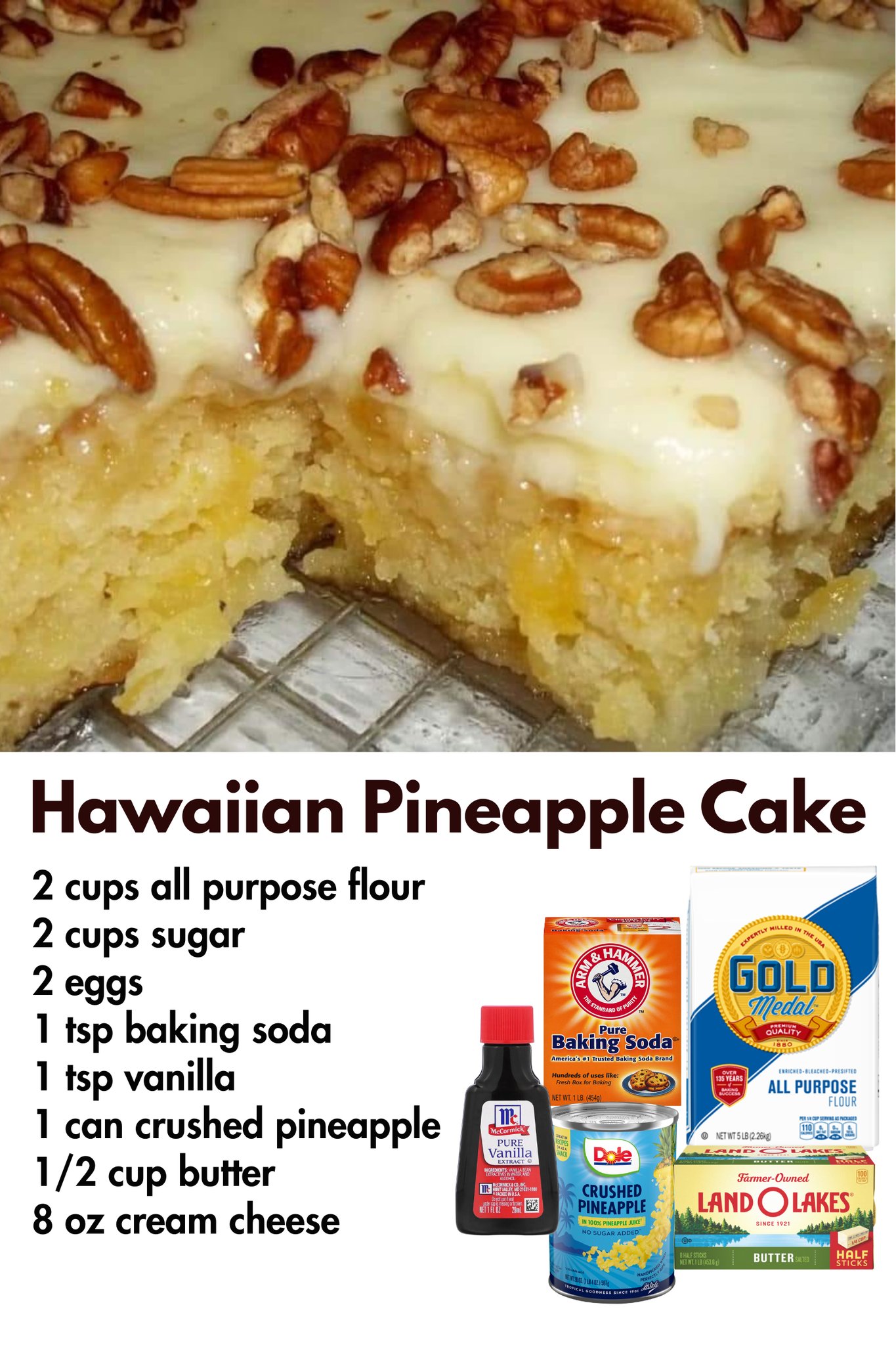
As soon as the cake comes out of the oven, I immediately pour the hot topping all over it. I use the back of a spoon to spread it evenly to the edges. This is the moment of transformation. You’ll hear a faint sizzle as the topping seeps into the hot cake. I then pop the whole pan under the broiler for 2-4 minutes, watching it like a hawk. The goal is for the coconut and nuts to toast to a perfect, golden brown. This broiler step is what creates that incredible candy-like, crunchy finish. Let the cake cool for at least 30 minutes before slicing—this allows the topping to set so you get clean cuts.
Pro Tips for Best Results
My number one tip is about the pineapple: use crushed pineapple in juice, NOT syrup, and do NOT drain it. The juice is what makes the cake so unbelievably moist. I tested it once with drained pineapple, and the cake was disappointingly dry. That canned juice is liquid gold for this recipe. Trust me, do not skip this step; it makes a monumental difference in the texture.
For the topping, I’ve tested the boiling time three different ways: not boiling, boiling for one minute, and boiling for two full minutes. The two-minute boil is non-negotiable. It cooks the milk, dissolves the sugar properly, and creates a syrup thick enough to cling to the coconut and nuts without making the cake soggy. A shorter boil gives you a runny topping that soaks in too much and loses its distinctive crunchy layer. Be patient and watch the clock.
If you include nuts, toast them first. I learned this trick after a few batches where the nuts in the topping were a bit soft. Now, I spread the chopped pecans on a small baking sheet and toast them in the oven (while it preheats for the cake) for 5-7 minutes until fragrant. Let them cool before adding to the topping. This extra step intensifies their flavor and guarantees a perfect crunch in every bite.
Common Mistakes to Avoid
The first mistake I made was overmixing the batter. Because it’s a simple dump-and-stir recipe, I kept whisking vigorously to get it perfectly smooth. This developed the gluten in the flour and resulted in a tougher, denser cake. Now, I whisk just until the last streak of flour disappears. A few small lumps are far better than an overworked batter. Remember, gentle is key for a tender crumb. (See the next page below to continue…)