
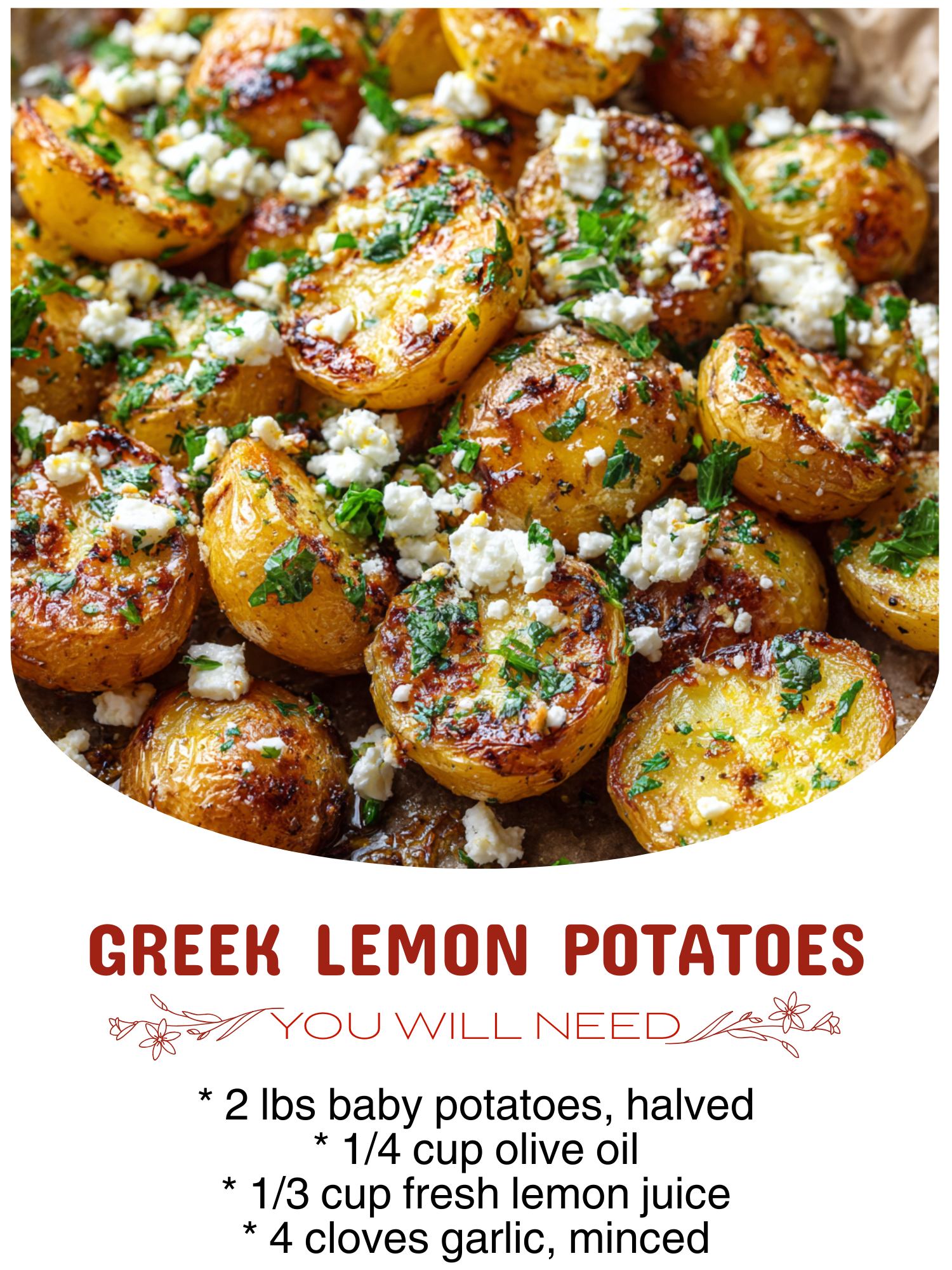
Another error is not using enough liquid. The broth is not just for flavor; it’s the cooking medium. If you don’t add enough, it will evaporate completely before the potatoes are tender, leaving you with dry, undercooked potatoes and burnt garlic. The cup of broth is precisely measured for a reason.
Skipping the foil cover for the first half of cooking is a common misstep. Without that steamy environment, the tops of the potatoes will dry out and toughen before the centers cook through. The foil trap is essential for creating the signature tender texture. Don’t be tempted to leave it off.
Stirring the potatoes too often during the uncovered roasting phase. You want that reduction to happen and those edges to caramelize. If you stir them every 10 minutes, you’ll prevent the beautiful browning and the sauce from thickening properly. Let them be for the final 20-30 minutes to achieve the perfect finish.
Serving Suggestions
I love serving these potatoes straight from the baking dish, spooning that incredible lemony sauce over each portion. They are the perfect partner for simply grilled or roasted chicken, lamb chops, or a piece of pan-seared fish. The bright potatoes cut through the richness of the meat beautifully.
For a vegetarian feast, I pair them with a big Greek salad (horiatiki), some creamy tzatziki, and warm pita bread. It creates a colorful, satisfying spread that feels both healthy and indulgent. The potatoes are the hearty, comforting star of the plate.
They are also fantastic at room temperature. I’ve packed them for picnics or served them as part of a mezze platter with olives, feta, and dolmades. Their flavor deepens as they cool, and they are utterly addictive eaten with your fingers.
Variations & Customizations
For a richer, deeper flavor, add a teaspoon of tomato paste to the marinade. It adds a subtle sweetness and umami that complements the lemon perfectly, creating a sauce reminiscent of the potatoes from a classic Greek restaurant.
You can add other herbs. While oregano is traditional, a tablespoon of fresh chopped rosemary or thyme added with the garlic is wonderful, especially in the fall and winter. A pinch of dried mint is also a lovely, authentic touch.
For a one-pan meal, nestle chicken thighs or drumsticks right in with the potatoes before you put it in the oven. The chicken roasts in the lemony broth, becoming incredibly juicy and flavorful, while the potatoes soak up all the delicious poultry drippings.
How to Store, Freeze & Reheat
Leftovers can be stored in an airtight container in the refrigerator for up to 4 days. The potatoes will absorb more of the sauce and become even more flavorful. The texture will soften, but they are still delicious.
I do not recommend freezing Greek Lemon Potatoes. The texture of the potato becomes grainy and watery upon thawing, and the creamy interior turns into an unpleasant mush. This is a dish best enjoyed fresh or refrigerated for a few days.
To reheat, spread the potatoes on a baking sheet and warm in a 350°F oven for 10-15 minutes until heated through. This will help re-crisp the edges better than the microwave, which can make them soggy. You can add a tiny splash of broth or water to the pan if the sauce has been fully absorbed.
Conclusion
Greek Lemon Potatoes are more than a recipe; they are a lesson in how a few honest ingredients can create pure magic. They’ve brought sunshine to my table on countless occasions, from simple family dinners to festive gatherings. I hope you welcome this taste of the Mediterranean into your kitchen and experience the same joy—the zesty aroma, the contrasting textures, and the sheer satisfaction of a perfectly executed side dish. They’re a little bite of sunshine, any day of the year.