
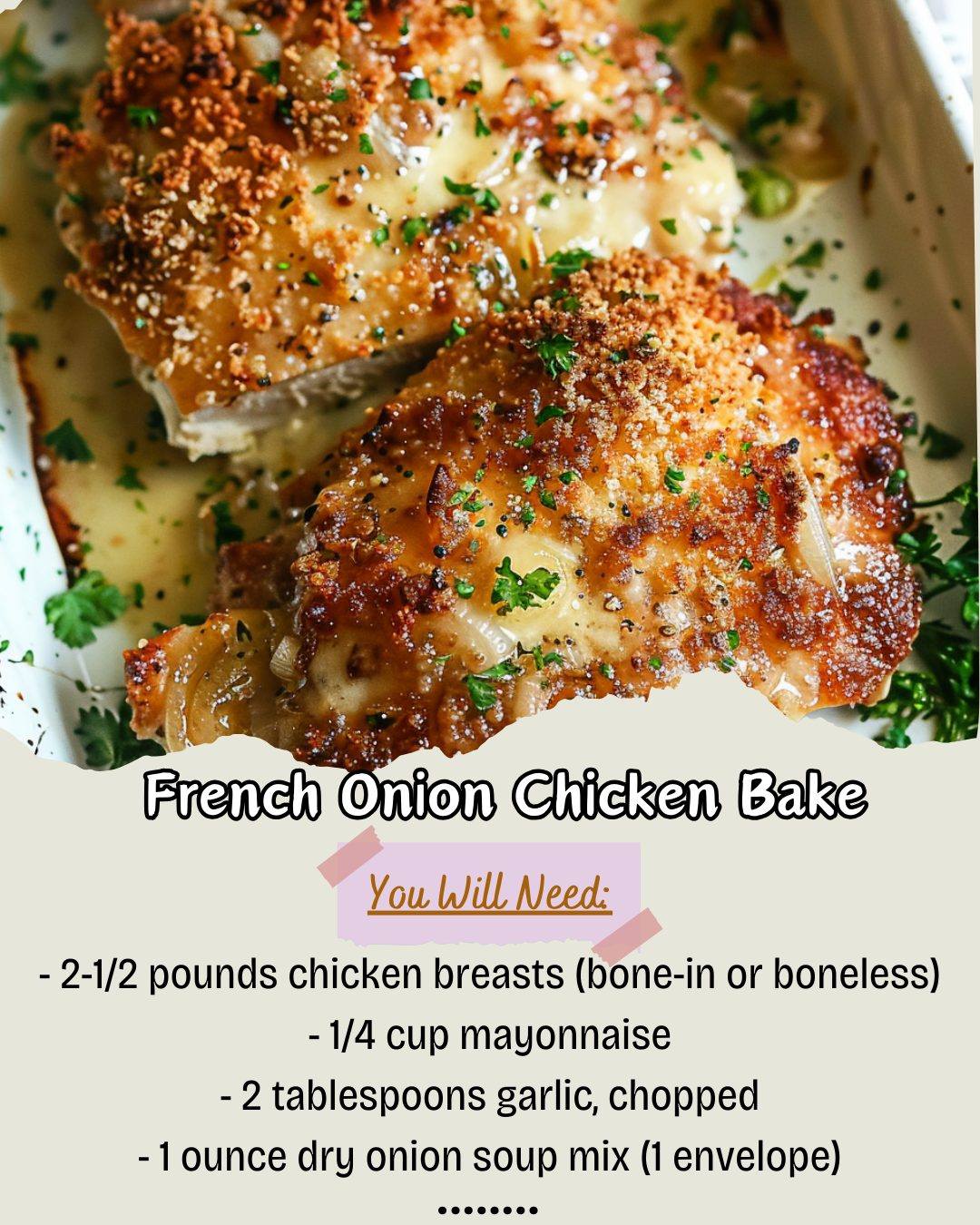
Don’t use a glass dish without adjusting. Glass bakeware heats and retains heat differently than metal or ceramic. If you use a glass dish, your cooking time might be slightly longer, and the bottom may not get as much caramelization. I prefer a ceramic or metal baking dish for this recipe. If glass is all you have, just keep a close eye on it and use your thermometer religiously.
Avoid overcrowding the pan. The chicken pieces need space around them for the hot air to circulate, ensuring they cook evenly and the coating crisps up properly. If you cram them all in, they’ll steam instead of roast, resulting in a pale, soggy topping. If my chicken pieces are large, I’ll even use two smaller dishes to give them plenty of room.
Finally, don’t forget to check the saltiness of your onion soup mix. Brands can vary. I once used a generic brand that was significantly saltier than my usual, and the whole dish was a bit overwhelming. If you’re sensitive to salt or using an unfamiliar brand, you can use 3/4 of the packet or look for a lower-sodium version. You can always add more, but you can’t take it away.
Serving Suggestions
I love serving this chicken right from the baking dish, family-style. I spoon the incredible oniony, garlicky pan juices over the top like a built-in gravy. It’s fantastic served over a big bed of creamy mashed potatoes or buttery egg noodles—they soak up every last drop of that flavorful sauce. A simple side of roasted green beans or steamed broccoli completes the plate beautifully.
For a truly “French onion soup” experience, I’ll slice the baked chicken and serve it on top of a thick slice of toasted, crusty bread (like a baguette), then spoon the pan juices over everything and top with the melted cheese. It’s like a deconstructed, heartier version of the soup and makes for a fun and delicious presentation that always impresses.
This dish also makes amazing leftovers for salads or sandwiches. The next day, I’ll slice the cold chicken and add it to a green salad with a sharp vinaigrette, or I’ll pile it on a crusty roll with a little extra cheese and broil it open-faced for a killer chicken melt. The flavors deepen overnight, making the leftovers something to look forward to.
Variations & Customizations
For a richer, more decadent version, I add 8 ounces of sliced mushrooms to the baking dish before adding the chicken. As everything bakes, the mushrooms release their water and absorb all the amazing onion and garlic flavors, becoming little juicy flavor bombs. I also love stirring a tablespoon of Worcestershire sauce into the mayonnaise mixture for an extra umami kick.
You can easily swap the protein. This coating is fantastic on bone-in, skin-on chicken thighs or drumsticks—just increase the baking time to 45-50 minutes to ensure they cook through. I’ve also used it as a paste on pork chops or even thick slices of firm tofu for a vegetarian option, adjusting the baking time accordingly.
To make it a full one-pan meal, I’ll add hearty vegetables to the dish before baking. Chunks of potato, carrots, and parsnips tossed in a little oil and salt nestled around the chicken work wonderfully. They roast in the chicken juices and onion flavors, creating a complete dinner with no extra pots to wash. Just ensure the vegetables are cut small enough to cook through in the same time.
How to Store, Freeze & Reheat
Leftovers keep wonderfully. I store cooled chicken and any pan juices in an airtight container in the refrigerator for up to 3-4 days. To reheat, I prefer the oven or toaster oven to preserve the texture of the crust. I place it in a baking dish, add a splash of chicken broth or water to keep it moist, cover with foil, and warm at 325°F until heated through. The microwave can make the coating soggy.
This dish freezes well before or after baking. To freeze unbaked, assemble the coated chicken in a freezer-safe baking dish, wrap tightly in plastic and foil, and freeze for up to 2 months. Thaw overnight in the fridge before baking as directed, adding a few extra minutes to the cook time. You can also freeze individual portions of baked chicken for quick lunches.
I don’t recommend freezing the dish after it’s been baked with cheese on top, as dairy-based toppings can become grainy when thawed and reheated. It’s best to add fresh cheese when reheating a frozen portion. The flavors hold up beautifully to freezing, making this a fantastic make-ahead meal for busy weeks.
Conclusion
This French Onion Chicken Bake is more than just a simple recipe to me; it’s my dependable ticket to a comforting, flavorful dinner that never fails to please. It has saved countless busy weeknights and has become a requested dish for casual dinners with friends. I hope it brings the same warmth, ease, and delicious satisfaction to your table, creating a new go-to in your recipe collection. Now, go grab that envelope of soup mix—an incredibly easy, flavor-packed dinner is just an hour away.