
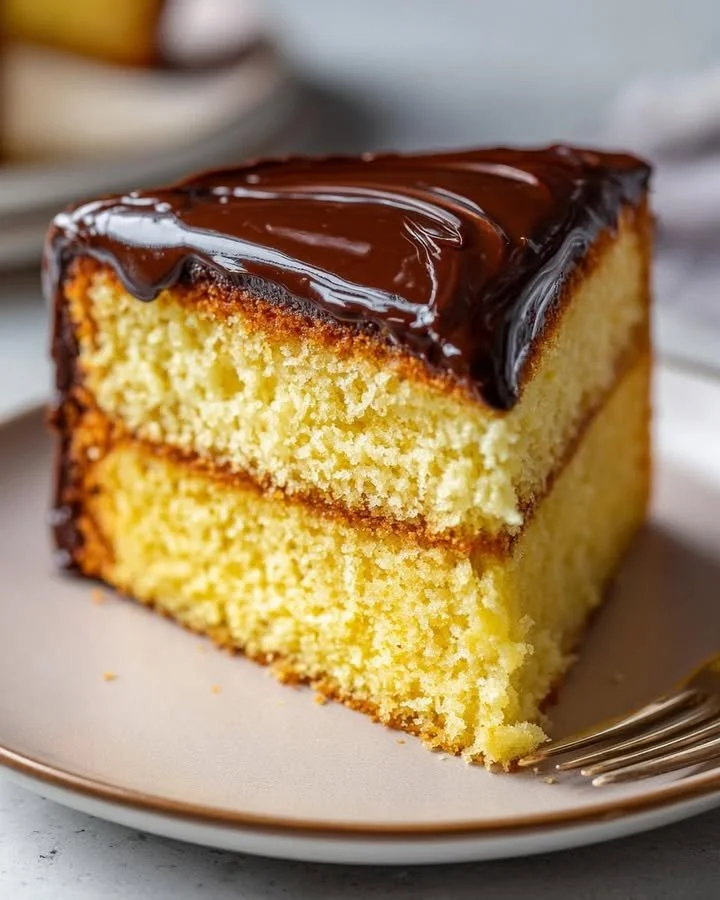
Next, in a separate bowl, whisk together the flour, baking powder, and salt. Gradually add the dry ingredients to the butter mixture, alternating with the milk, starting and ending with the flour. This method helps to keep the batter airy while ensuring everything is well combined. I always use my electric mixer on low speed for this part to prevent any flour clouds from forming in my kitchen!
Once your batter is smooth and creamy, divide it evenly between the two prepared cake pans. Give them a gentle tap on the counter to release any air bubbles, and then pop them into the preheated oven. Bake for about 25-30 minutes, or until a toothpick inserted into the center comes out clean. While baking, your kitchen will be filled with an irresistible aroma that will have everyone eagerly waiting!
Once out of the oven, allow the cakes to cool in the pans for about 10 minutes, then carefully turn them out onto a cooling rack to cool completely before frosting. This cooling time is essential; I can’t tell you how many times I’ve rushed ahead and ended up with melted frosting disaster!
Pro Tips for Best Results
One thing I’ve learned from testing this recipe a few times is that using room temperature ingredients makes a huge difference. I always take my eggs and milk out of the fridge about an hour before I start baking. The result? A batter that mixes beautifully and bakes evenly!
I also tried substituting the granulated sugar with brown sugar once, just to be adventurous! While it gave the cake a lovely caramel flavor, I found it slightly denser than my original fluffy yellow cake. I prefer the classic granulated sugar for that perfectly airy texture, but hey, it’s all about your personal taste!
Lastly, I always recommend keeping an eye on the cakes in the oven. Every oven is different, and I’ve had some cakes that were done in 23 minutes flat. It’s always a good idea to start checking a little early; your nose will usually tell you when it’s cake time!
Common Mistakes to Avoid
One common mistake I’ve made and seen others make is overmixing the batter. It’s so tempting to keep mixing until everything is perfectly smooth, but this can actually lead to a dense cake. I’ve found that mixing just until combined gives the best results for a light and fluffy texture.
Another pitfall is not properly greasing the pans. Trust me, I’ve had my share of cakes that simply refuse to budge from the pans! A good layer of butter or baking spray, along with parchment paper, will save you from the heartache of broken cakes.
Also, remember to let your cakes cool completely before frosting. I once got a bit too excited and applied frosting to warm layers, and instead of a beautifully frosted cake, I ended up with a puddle of icing on the plate. It’s a lesson learned; patience truly pays off!
Finally, be careful not to skip the toothpick test. When you think your cakes are done, poke a toothpick in the center. It should come out clean or with a few crumbs. If there’s any wet batter on the toothpick, give your cakes a few more minutes and keep an eye on them!