
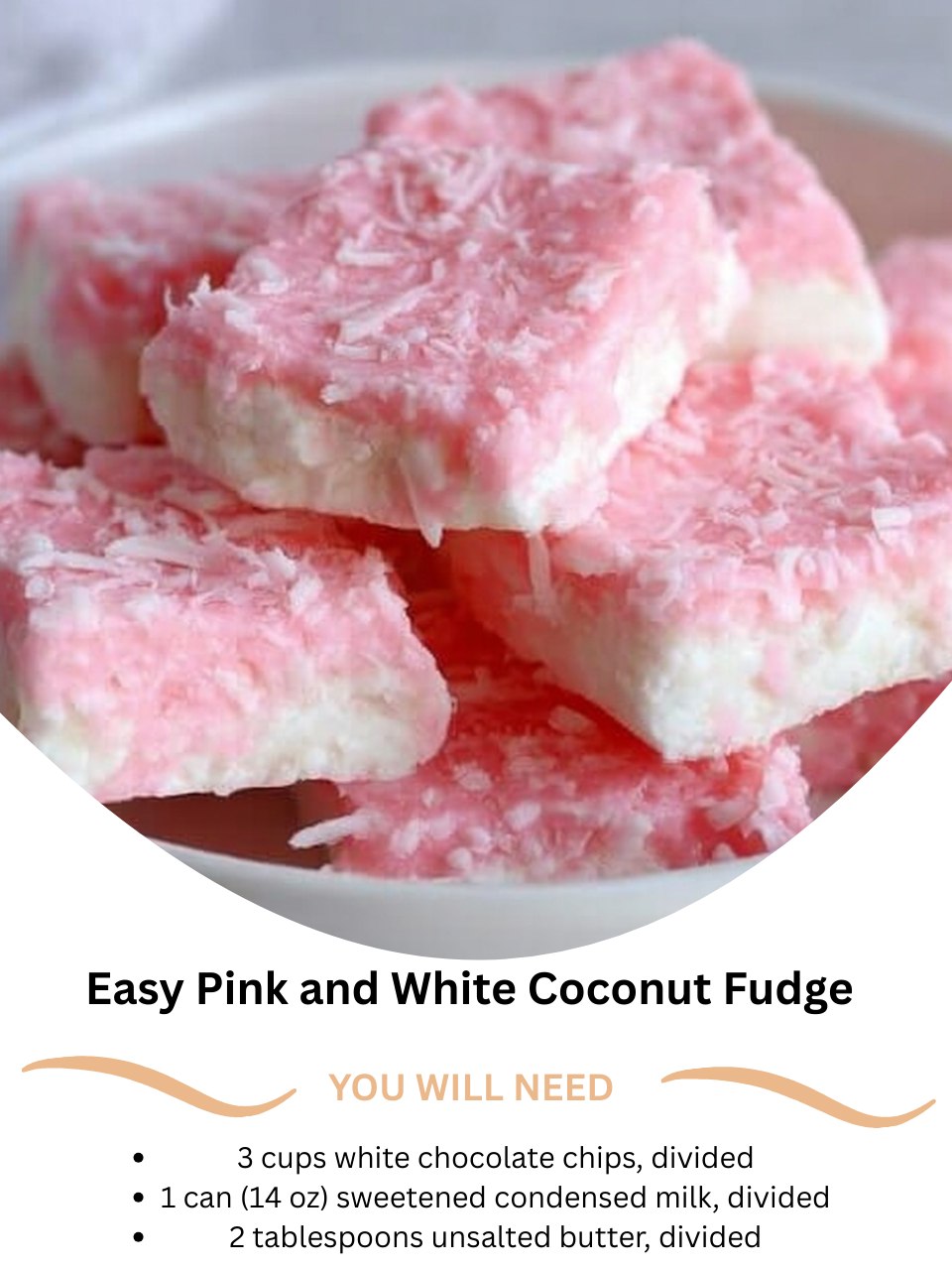
Once the white fudge has cooled slightly but is still pourable, I gently pour it over the set pink layer in the pan. I use my spatula to spread it carefully into an even top layer. Working quickly, I sprinkle the top with the reserved ½ cup of untoasted, white shredded coconut and gently press it in. I then let the whole pan cool completely on the counter before covering it and transferring it to the refrigerator to chill and set firmly for at least 4 hours, or better yet, overnight. The wait is tough, but it ensures those clean, defined layers.
Pro Tips for Best Results
I tested the layer method three different ways: letting the first layer chill completely, letting it chill partially, and pouring the second layer immediately. Here’s the sweet spot: let the first (pink) layer sit at room temperature for 10-15 minutes until a skin forms on top. It should be set enough that your finger doesn’t leave a mark, but not rock-hard from the fridge. This gives the second layer a firm base to sit on without the two blending into a swirled mess. I’ve tried this step both ways, and trust me, this one works better for sharp layers.
Here’s what I learned the hard way about the coconut: toasting most of it for inside the fudge is non-negotiable for flavor, but using untoasted coconut for the topping is a must. I once used all toasted coconut on top, and it looked dry and over-browned against the creamy white fudge. The soft, snowy-white untoasted flakes give it that perfect, pristine, cloud-like finish that makes it so visually appealing. It’s a small detail with a big visual payoff.
For the pink layer, less is more with the coloring. Gel food coloring is highly concentrated. I start with a toothpick dipped in the gel, stir it in, and only add more if needed. You’re aiming for a soft pastel pink, not a neon magenta. Also, ensure both your fudge mixtures are thick and not runny when you pour them. If they seem thin, let them cool and thicken slightly in the pan off the heat before pouring. Thicker mixtures create more defined, beautiful layers.
Common Mistakes to Avoid
The biggest mistake is rushing the melting process with high heat. White chocolate scorches and seizes in a heartbeat. I made this mistake the first time—don’t do what I did! I had grainy, lumpy fudge that was a lost cause. Both layers must be melted over the lowest possible heat with constant stirring. If you’re nervous, a double boiler is your safest bet for perfectly smooth fudge every single time.(See the next page below to continue…)