
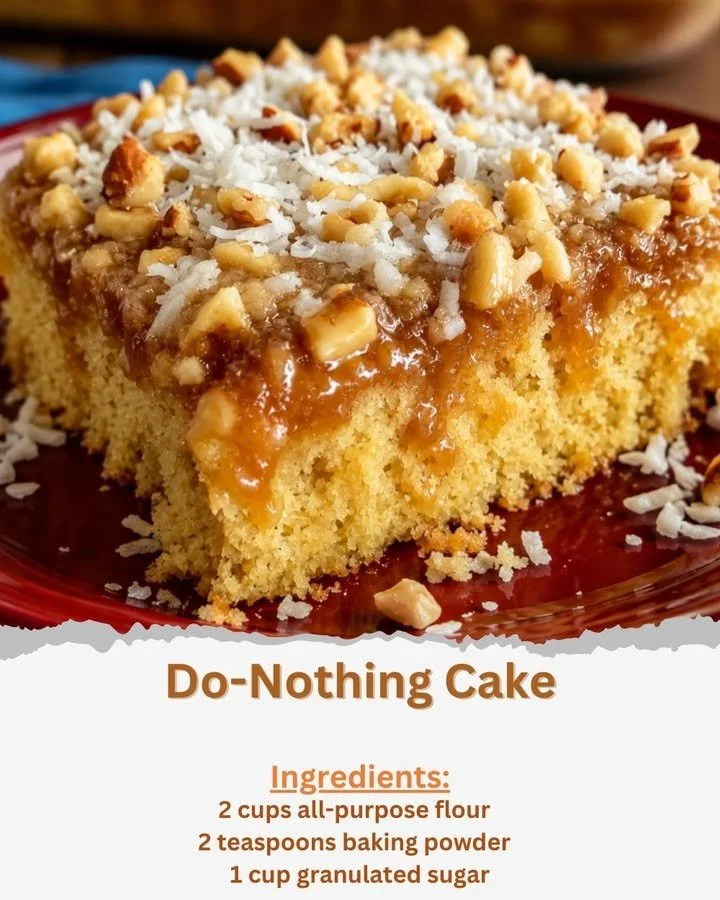
Now, sift in the flour, baking powder, and salt. I usually do this over the bowl, so it catches all the dry ingredients in one go. Then, pour in the milk and vanilla extract. Blend everything together until just combined. Be careful not to overmix; a few lumps are okay, and they’ll disappear during baking. Once your batter is beautifully smooth, pour it into a greased 9×9 inch cake pan and smooth the top with a spatula. The anticipation builds as I place it in the oven!
Bake the cake for about 30 to 35 minutes, or until a toothpick inserted in the center comes out clean. I love the smell that wafts through my kitchen while it’s baking—it’s a warm, buttery aroma that makes my heart happy. Once baked, let the cake cool in the pan for about 10 minutes before transferring it to a cooling rack. Trust me, the cooling process is vital as it allows the texture to set perfectly.
Finally, once the cake is completely cool, it’s ready to be sliced and served. I often love to enjoy it plain, but if I’m feeling a little fancy, I sometimes dust it with powdered sugar or serve it with a dollop of whipped cream. Honestly, it’s great either way!
Pro Tips for Best Results
When I first started making Do-Nothing Cake, I experimented with different brands of flour, and I found that using a high-quality all-purpose flour really made a difference in texture! The cake turned out so much fluffier compared to when I used a cheaper option. It pays to invest a little!
Also, don’t skip the cooling step. I found that letting the cake cool completely before slicing helps maintain its crumb structure. When it’s warm, the cake tends to be a bit too delicate, and you can end up with a crumbly mess, which is definitely not the goal!
Lastly, if you want to infuse a little extra flavor into your cake, try adding some lemon zest or almond extract, which adds a lovely nuance that elevates this simple cake to another level. I’ve done this several times, and it always receives rave reviews!
Common Mistakes to Avoid
One common mistake I made early on was not measuring the ingredients accurately. Even though this recipe is simple, precision is key for the cake to rise properly and maintain its fluffy structure. I learned the hard way that too much flour could lead to a dense texture rather than the lightness we’re aiming for! (See the next page below to continue…)

