
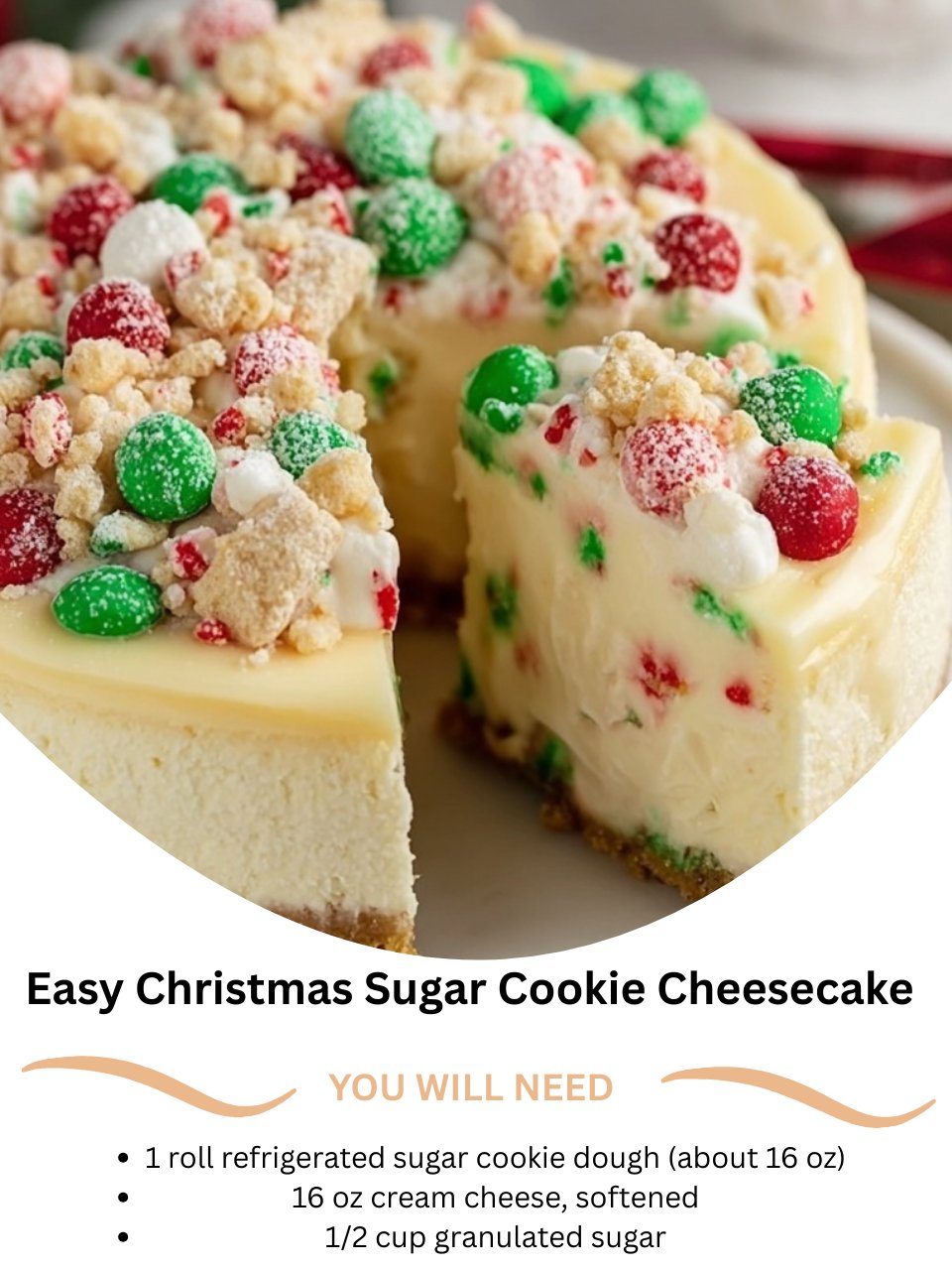
Baking is the quiet, anticipatory part. Place the pan in the center of your preheated oven. I’ve found the sweet spot for my oven is about 45-50 minutes. You’re looking for the edges to be fully set, but the center should still have a slight, gentle jiggle—like set Jell-O—when you nudge the pan. The center will firm up as it cools. Do NOT open the oven door before the 40-minute mark! I made that mistake once, and the sudden temperature drop caused a major crack. Let it cool completely in the turned-off oven with the door slightly ajar, then transfer it to the counter before chilling it in the fridge for at least 4 hours, though overnight is truly best. The waiting is the hardest part, but it’s essential for that perfect, sliceable texture.
Pro Tips for Best Results
My number one pro tip is all about temperature. I take my cream cheese and eggs out of the fridge a full two hours before I plan to bake. If I’m in a pinch, I’ll place the sealed blocks of cream cheese in a bowl of warm (not hot) water for 15 minutes. Cold ingredients simply will not blend into that dreamy, smooth consistency we’re after, no matter how long you mix. Trust me, I’ve tried to shortcut this more times than I’d like to admit, and it always shows in the final texture.
The second tip is about mixing. After years of baking cheesecakes, I’ve learned to be gentle. Once you add the eggs, keep the mixer on low speed. High speed whips in too much air, which expands in the oven and then collapses, creating cracks and a less dense, creamy texture. I mix just until each ingredient is incorporated, scraping the bowl frequently. Think of it as folding the ingredients together with the help of the mixer, not beating them into submission.
Finally, embrace the slow cool-down. The dramatic shift from a hot oven to a cool kitchen is a prime culprit for cracks. Letting the cheesecake cool gradually in the turned-off oven mimics a professional pastry chef’s water bath method, but without the fuss of wrapping your pan in foil and worrying about water leaks. This slow cooldown allows the cheesecake to set gently and evenly, giving you that flawless, bakery-quality surface. I promise this extra bit of patience makes a world of difference.
Common Mistakes to Avoid
The first big mistake is using cold ingredients. I remember my first attempt at any cheesecake years ago; I was impatient and used cream cheese straight from the fridge. I mixed and mixed, but little lumps remained. I baked it anyway, thinking they’d melt away. They didn’t. The finished cake had tiny, unpleasant bits of unmixed cream cheese throughout. It was edible, but it wasn’t the smooth, luxurious experience I wanted. Now, I plan ahead—room temperature ingredients are non-negotiable. (See the next page below to continue…)