
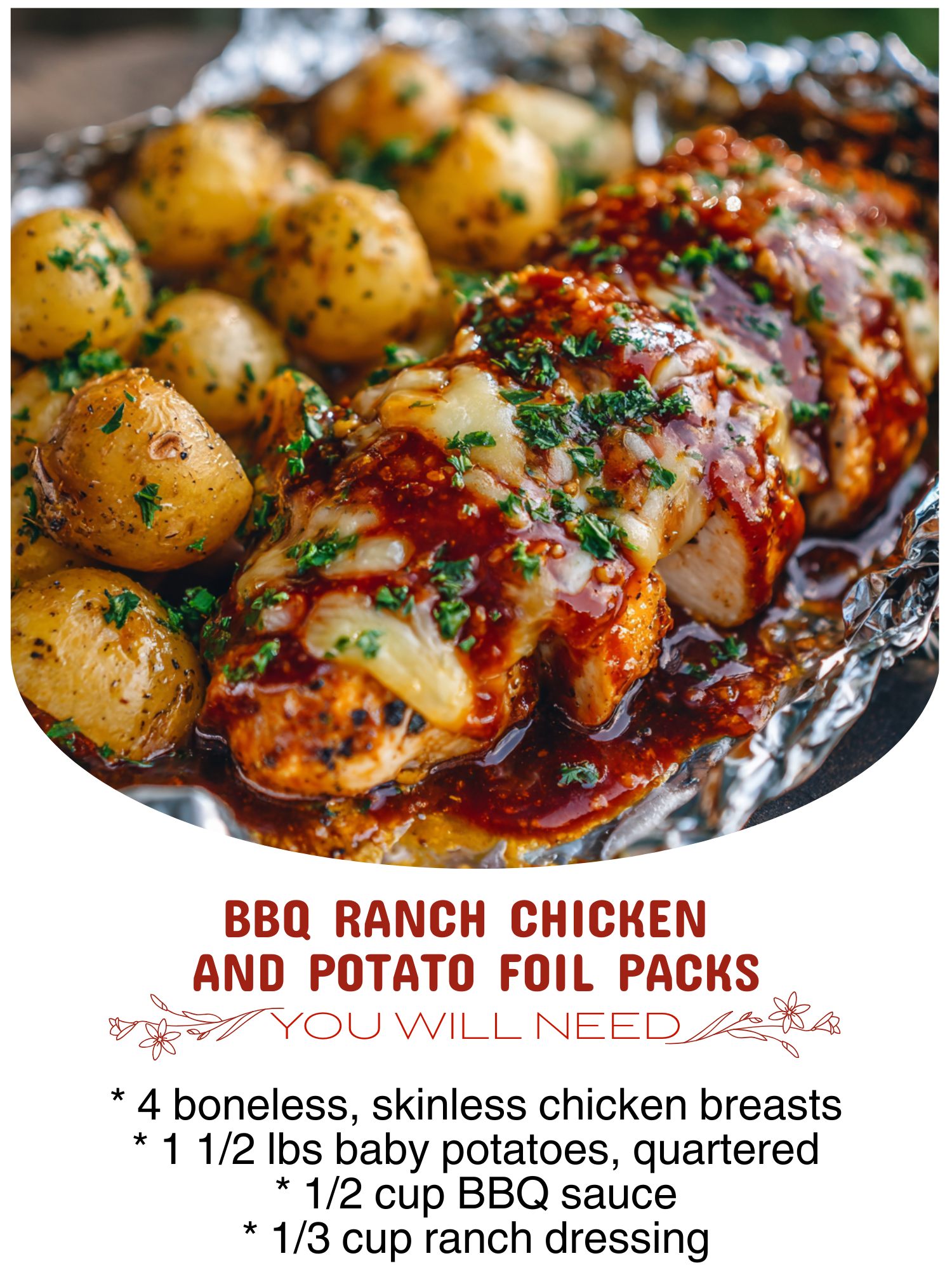
Another error is using BBQ sauce that is too thin or sugary. Some sauces are very liquidy and can burn easily on the hot foil, creating a bitter, charred taste. I prefer a thicker, smokier sauce that will reduce into a glaze rather than burn. The same goes for watery vegetables—pat them dry if you’re using fresh ones.
Sealing the packs improperly is a recipe for disaster. If the seams aren’t tight, all the steam—which is the cooking medium—escapes, leaving you with dry, undercooked food. Take your time to make tight, secure folds. A well-sealed pack should puff up like a pillow.
Assuming all cooking methods are equal. Grill times may vary slightly from oven times due to direct vs. indirect heat. On a grill, the bottom of the pack gets intense heat, crisping the potatoes beautifully. In an oven, the heat is more even. I always check for doneness a few minutes early—the chicken should reach 165°F internally, and the potatoes should be easily pierced with a fork.
Serving Suggestions
I love serving these right in the unopened foil pack at the table. Each person gets to open their own, releasing that incredible aroma, and dig in straight from the foil for the ultimate no-dishes experience. I just set out extra ranch and BBQ sauce for dipping.
For a more plated presentation, I carefully transfer the contents of each pack onto a dinner plate, pouring all the accumulated saucy juices from the foil right over the top. A sprinkle of fresh chopped parsley or chives adds a pop of color and freshness.
These packs are a complete meal, but I often serve them with a simple, cool side to balance the richness. A crisp garden salad, a tangy coleslaw, or just some slices of buttered cornbread are perfect companions that round out the meal beautifully.
Variations & Customizations
For a spicy kick, I mix a tablespoon of chipotle peppers in adobo sauce into the BBQ-ranch mixture, or I use a spicy BBQ sauce. Adding sliced jalapeños to the veggie mix also brings a great heat.
You can easily swap the protein. Chicken thighs (boneless and skinless) work wonderfully and stay incredibly juicy. Large shrimp or even sliced smoked sausage are also fantastic alternatives—just adjust the cooking time downward for shrimp.
Change up the veggies based on the season or what you have. Zucchini, sliced onions, mushrooms, or asparagus all work beautifully. In the fall, I love using sweet potato chunks instead of baby potatoes for a different flavor profile.
How to Store, Freeze & Reheat
Uncooked foil packs can be assembled ahead of time and stored in the refrigerator for up to 24 hours before cooking. This is perfect for meal prep or getting a head start on a camping trip. Just cook them straight from the fridge, adding a few extra minutes to the cooking time.
Leftover cooked packs can be refrigerated for up to 3 days. I usually open the pack, transfer the contents to an airtight container, and store the sauce with it. The flavors actually improve overnight.
You can freeze the assembled, uncooked foil packs. Wrap the sealed pack in a second layer of foil or place it in a freezer bag. Freeze for up to 2 months. Thaw completely in the refrigerator before cooking. I do not recommend freezing them after cooking, as the potato texture can become grainy.
Conclusion
BBQ Ranch Chicken and Potato Foil Packs are my go-to solution for delicious, effortless meals that please everyone. They’ve saved countless weeknights and made camping trips and backyard barbecues infinitely easier. I hope you give this method a try and experience the same simple joy—the anticipation as the packs puff up, the incredible smell upon opening, and the satisfaction of a flavorful meal with almost no cleanup. It’s a little packet of dinnertime magic.