
In a small bowl, I whisk together the Greek yogurt and eggs until the mixture becomes completely smooth. The first time I made this recipe, I rushed this step and ended up with tiny egg streaks inside the cheesecake. Now I take an extra minute to mix everything properly, and the final texture becomes much creamier. If I’m adding vanilla extract or cinnamon, this is the moment I mix them in because they blend beautifully into the batter.
Once the mixture looks silky and lump-free, I pour it into the prepared dish and smooth the top with the back of a spoon. I like tapping the ramekin gently on the counter because it removes trapped air bubbles that can sometimes create cracks while baking. The batter looks very thin at this stage, but don’t worry—that’s completely normal. I remember thinking I had done something wrong the first time, but the eggs work their magic in the oven.
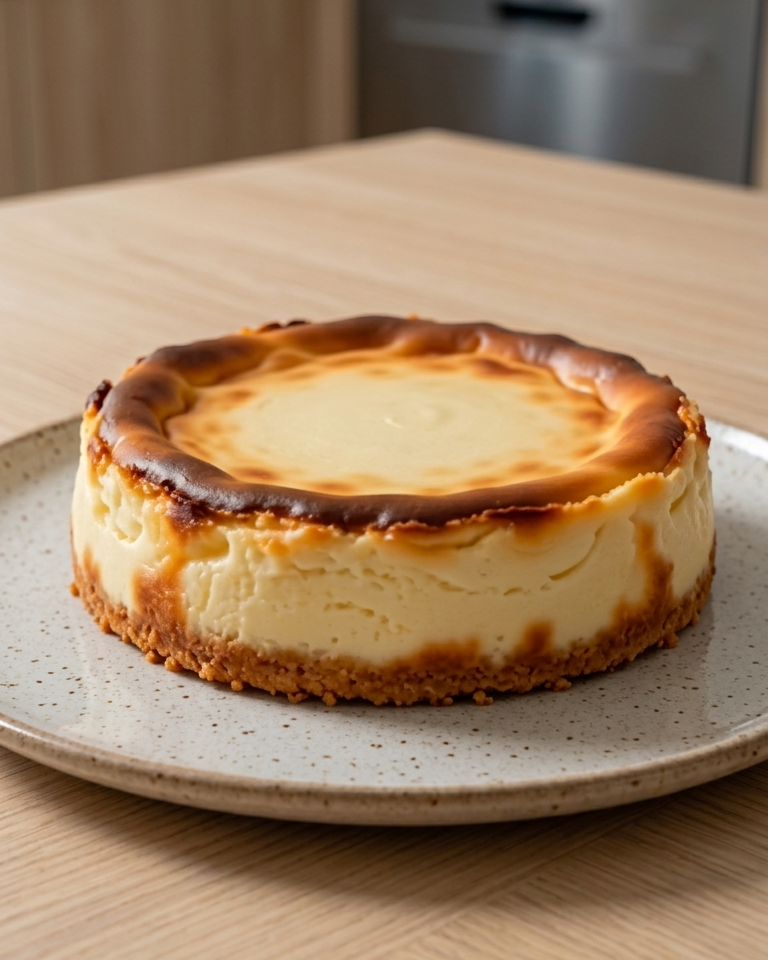
I bake the cheesecake for around 20 minutes until the edges turn lightly golden and the center looks set but slightly soft. One mistake I made early on was overbaking it because I wanted the middle completely firm. That only made the texture rubbery instead of creamy. After baking, I let it cool at room temperature for at least 15 minutes. This waiting step is honestly difficult because the smell is amazing, but cooling helps the cheesecake firm up perfectly.
Pro Tips for Best Results
I tested this recipe with different types of yogurt, and full-fat Greek yogurt gave me the creamiest texture by far. Low-fat versions still work, but they tend to create a slightly more watery cheesecake. If you want that rich cheesecake consistency, trust me and use thick Greek yogurt with minimal liquid.
Another thing I learned through trial and error is that room-temperature ingredients mix much more smoothly. Cold eggs straight from the fridge can create lumps in the batter that are harder to whisk away. Now I let the eggs sit on the counter for about 10 minutes before mixing, and the batter becomes silky much faster.
Don’t rush the cooling step. I know it’s tempting to dig in immediately because the cheesecake smells incredible, but giving it time to cool changes the texture completely. I’ve eaten it warm and chilled, and personally, I think it tastes even better after spending an hour in the fridge because it becomes denser and creamier.
Common Mistakes to Avoid
The biggest mistake I made the first time was using regular yogurt instead of Greek yogurt. The mixture turned out too watery and never properly set in the oven. Greek yogurt is essential because it’s thicker and contains less moisture, which gives the cheesecake structure and that creamy texture everyone loves. (See the next page below to continue…)