
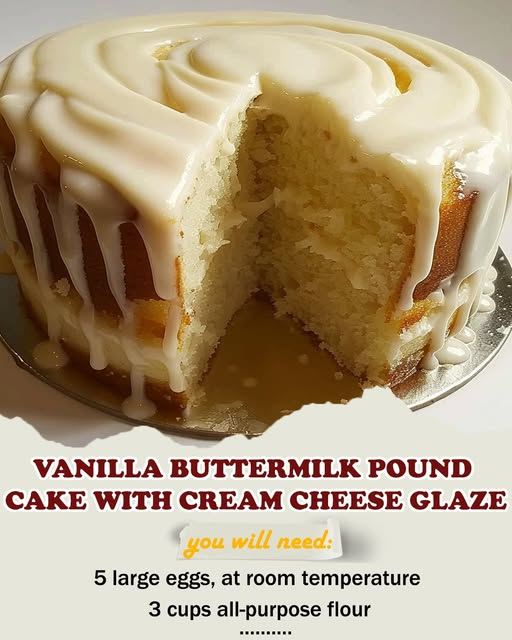
Once it passes the skewer test, I remove the cake from the oven and let it cool in the pan on a wire rack for 20 minutes—no more, no less. This allows it to set and shrink slightly from the sides, making removal easier. After 20 minutes, I invert it onto the rack and let it cool completely. While it cools, I make the glaze. I beat the softened cream cheese until smooth, then gradually beat in the powdered sugar, vanilla, and salt. I add milk one tablespoon at a time until I reach a thick but pourable consistency. Once the cake is completely cool, I drizzle the glaze artfully over the top, letting it drip down the sides. The wait for that first slice is pure agony, but so worth it.
Pro Tips for Best Results
My number one tip is all about temperature. Every single ingredient must be at room temperature—the butter, eggs, and buttermilk. I tested this with cold ingredients, and the batter curdled, resulting in a dense, heavy cake. Room-temperature ingredients emulsify beautifully, creating a smooth, homogeneous batter that bakes up with an even, tender crumb. I take everything out of the fridge at least 2 hours before I start.
Don’t skimp on the creaming time. I know 5-7 minutes feels like an eternity, but it’s the single most important factor for texture. I set a timer. This step incorporates the air that acts as the primary leavening in this dense cake. If you under-cream, your cake will be heavy and compact. Properly creamed butter and sugar is the foundation of a perfect pound cake.
Use a tube pan if you have one. The central tube allows heat to penetrate the dense batter from the inside out, ensuring even baking. A Bundt pan works, but the intricate designs can sometimes make the cake stick. A simple tube pan is the most reliable vessel for this classic cake.
Common Mistakes to Avoid
The first mistake I made was opening the oven door too early. I was so anxious to check on it at the 60-minute mark that I let out a rush of heat, causing the center to sink slightly. Now, I don’t even peek until the 75-minute mark. Pound cakes are sensitive to temperature fluctuations. Trust the process and the timer.(See the next page below to continue…)