
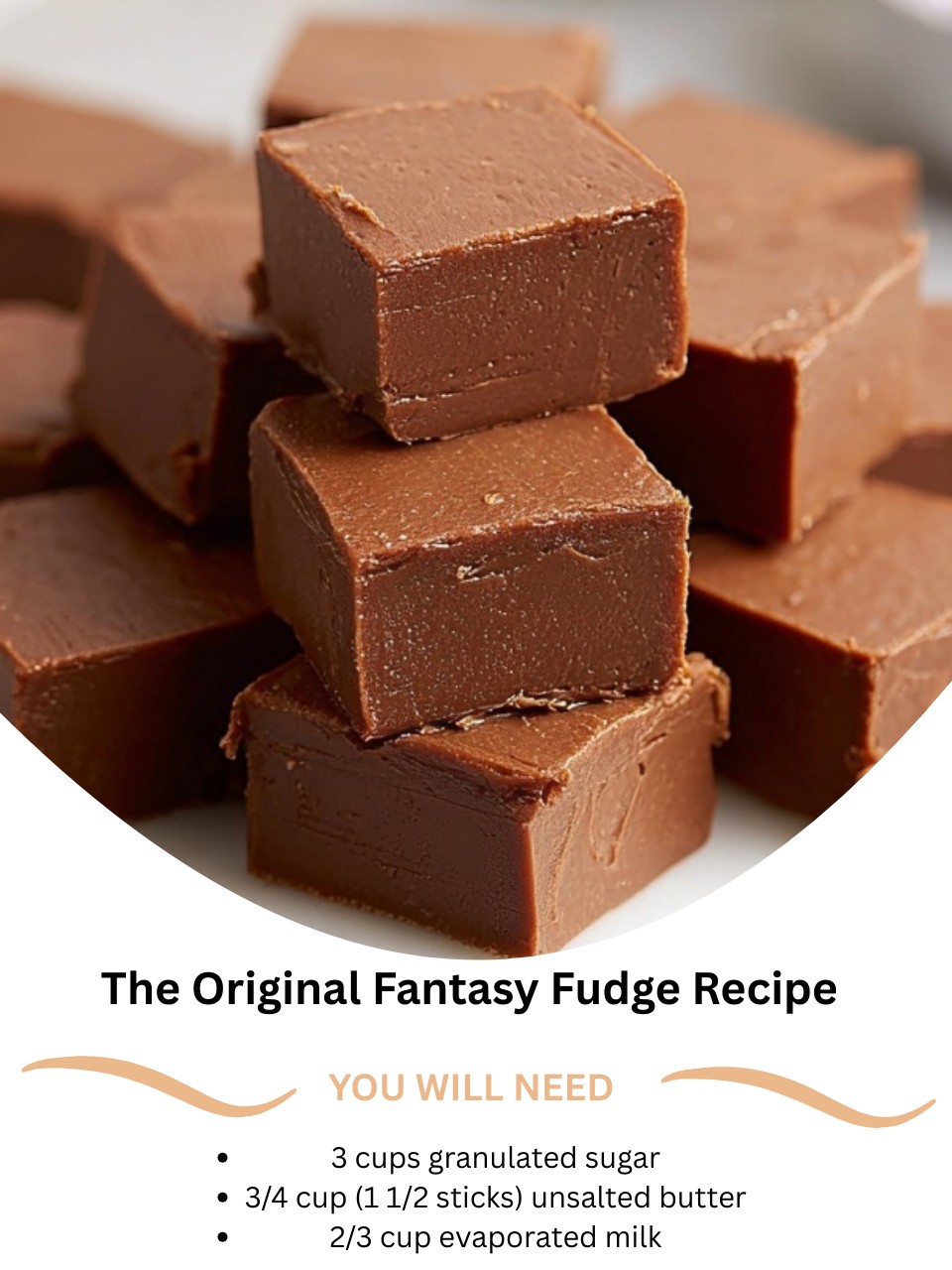
As soon as the fudge is beautifully thick and uniform, I quickly pour it into my prepared pan. I use the back of a buttered spoon or spatula to spread it into an even layer, working fast before it sets. Then, the hardest part: I walk away. I let the fudge cool completely, undisturbed, at room temperature. No refrigeration needed. This slow cooling is part of what gives it that perfect, smooth texture. After a few hours, I cut it into squares. The clean snap of the knife through the firm, creamy block is the most satisfying sound.
Pro Tips for Best Results
I tested the boiling step three different ways: timing it without a thermometer, using just a thermometer, and using both. The combination of the 5-minute timer and the candy thermometer is the foolproof method. Sometimes in humid weather, it takes longer to hit 234°F; sometimes on a dry day, it happens faster. The timer is your guide, but the thermometer is your truth. I’ve tried this step both ways, and trust me, using both works better for consistent results every single time.
Here’s what I learned the hard way about ingredients: evaporated milk and sweetened condensed milk are not interchangeable. Evaporated milk is unsweetened and provides the necessary liquid and dairy fat without extra sugar, which allows the syrup to cook to the correct stage. Using sweetened condensed milk will result in a fudge that is too sweet and likely won’t set properly. Don’t make that swap!
For the smoothest texture, beating is everything. You must beat the hot syrup into the chocolate mixture immediately and continue beating until it transforms. If you stop too soon, the fudge will be grainy. If you let the syrup cool before pouring, it won’t melt the chocolate completely. Have your bowl ready right next to the stove and beat with confidence. That vigorous incorporation is what creates the signature creamy, non-grainy finish.
Common Mistakes to Avoid
The biggest mistake is stirring the fudge after it starts boiling. Once that timer starts, put the spoon down. Stirring during the boil can cause sugar crystals to form, leading to a grainy, sugary texture instead of a smooth one. I made this mistake the first time—don’t do what I did! Let it boil undisturbed and let the thermometer do the work.(See the next page below to continue…)