
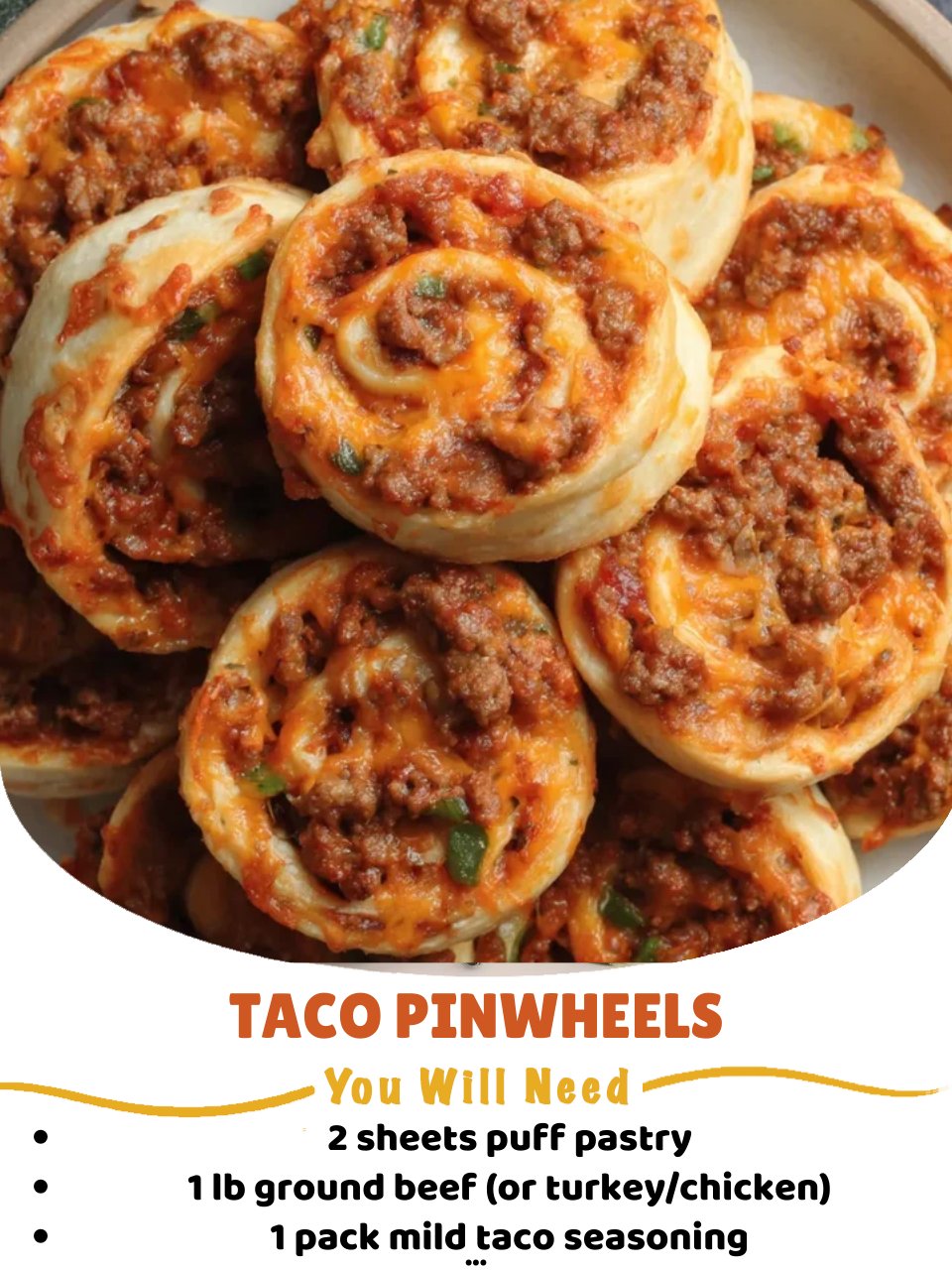
After the chill, I preheat my oven to 400°F (200°C) and line my baking sheets with parchment paper. I take one log from the fridge, unwrap it, and place it on a cutting board. Using a very sharp serrated knife, I slice it into ½-inch thick rounds. I learned the hard way that a dull knife will smash the beautiful swirls. I place the pinwheels about an inch apart on the baking sheets, brush the tops lightly with the remaining egg wash, and bake for 18-22 minutes. I watch for them to puff up gloriously and turn a deep, golden brown. I let them cool on the sheet for 5 minutes before transferring to a rack—they’re molten lava inside right out of the oven!
Pro Tips for Best Results
My best tip is all about temperature. I tested assembling these three different ways: with warm filling, room temp filling, and chilled filling. Chilled filling is the only way. A warm filling will immediately soften the pastry, causing it to tear and the butter to leak out during baking, resulting in a greasy, flat pinwheel. That quick freeze of the meat makes all the difference between a good result and a great one.
For the cleanest, most defined swirls, chill the assembled logs thoroughly before slicing. I once got impatient and sliced after only 15 minutes in the fridge. The log was still soft, and my slices were messy and uneven. A solid 30-minute chill (or even longer) firms up the butter layers, letting your knife glide through for perfect, restaurant-quality spirals every time.
Don’t overcrowd the baking sheets. The pinwheels need space for the hot air to circulate so they puff up and get crisp all over. If they’re too close, they’ll steam each other and end up with soft, soggy edges. I bake them in batches if necessary. It’s worth the wait for that perfect, flaky texture.
Common Mistakes to Avoid
The first major mistake is not cooling the taco meat completely. I was in a rush for a party and used warm meat. As I rolled, the pastry became a greasy, soft disaster that stuck to the parchment and tore. The logs were flat and leaked butter everywhere in the oven. Cooling the filling is the single most important step for structural integrity.(See the next page below to continue…)