
Don’t let the garlic burn when you add the spices. That one-minute window is critical. I burned my garlic once because I got distracted answering the door, and it gave the entire pot a faintly bitter, acrid undertone. Have your spices measured and ready to go before you add the garlic to the onions, and keep that spoon moving.
Underseasoning is a silent killer of good collard greens. Because you’re using broth and cooking for a long time, you need to build and adjust the seasoning. I season in layers: a pinch when I cook the onions, and then I always, always check and adjust the seasoning in the potlikker about 30 minutes into the simmer and again after adding the vinegar. The greens drink up that seasoned broth.
Finally, don’t use a thin pot. I tried this once in a cheap, thin-bottomed stockpot, and the heat was too direct and uneven. The greens on the bottom scorched while the top ones were barely cooked. A heavy Dutch oven distributes the gentle, low heat perfectly for the long simmer. It’s a worthwhile investment if you don’t have one.
Serving Suggestions
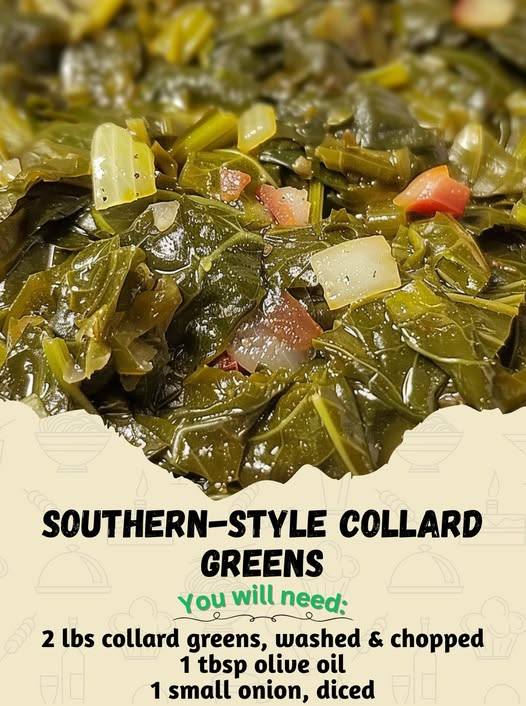
I love serving these greens straight from the pot, ladled into a deep bowl with a generous helping of that glorious, smoky potlikker. An extra dash of apple cider vinegar or a vinegar-based hot sauce is my absolute must—the bright, acidic punch cuts through the richness perfectly. I keep a bottle of classic pepper vinegar on my table specifically for this purpose. It’s a game-changer.
For a classic Southern plate, I pair them with creamy, stone-ground grits and a piece of crispy cornbread for dipping. The cornbread soaks up the potlikker in the most magnificent way. It’s a textural dream: the silky greens, the creamy grits, and the crumbly, slightly sweet bread. This is my ultimate comfort food combo.
They are also the perfect hearty side to smoked or roasted meats. I frequently make them alongside a simple roasted chicken, pork chops, or even barbecue. The smoky paprika in the greens complements grilled flavors beautifully. Don’t let any potlikker go to waste—pour it over everything on your plate, especially mashed potatoes.
Variations & Customizations
While I love this smoky, vegetarian-friendly version, I’ve played around a lot. The most common addition is smoked meat for even more depth. Adding a smoked turkey wing, ham hock, or a few slices of bacon (cooked and chopped, with the fat used to cook the onions) creates an incredible, traditional flavor. If you go this route, you may need less salt and can often use water instead of broth.
For a richer, creamier finish, I’ve stirred in a pat of butter or a splash of heavy cream right at the end of cooking. It creates a luxurious, velvety broth that clings to the greens. It’s not traditional, but it’s delicious for a special occasion. I tried it once on a whim and now do it when I’m feeling indulgent.
You can play with the acid, too. While I swear by apple cider vinegar, white vinegar or even a squeeze of fresh lemon juice can work in a pinch. I’ve also added a peeled, quartered potato to the pot while simmering—it thickens the potlikker slightly and adds a subtle heartiness. Just remember to remove the bay leaf and potato chunks before serving!
How to Store, Freeze & Reheat
Honestly, I think these greens taste even better the next day. After cooling completely, I store them in their potlikker in a sealed container in the fridge for up to 4 days. The flavors continue to meld and deepen, and the smokiness becomes more pronounced. Reheating is easy: just gently warm them in a pot on the stove over low heat. If the potlikker has been absorbed, add a splash of water or broth to loosen it up.
They freeze beautifully for up to 3 months. I freeze them in portion-sized containers with plenty of broth. The key is to thaw them overnight in the fridge before reheating. I made the mistake of trying to reheat a frozen block directly on the stove once, and it scorched the bottom while the center was still ice. Slow and gentle is the rule.
A note on texture: once frozen and thawed, the greens will be softer—they won’t have that al dente quality of freshly cooked greens. But the flavor is still outstanding. I often make a double batch explicitly to freeze one. Having a container of these in my freezer feels like having a secret weapon for a quick, comforting meal on a busy weeknight.
Conclusion
This recipe for Southern-Style Collard Greens is more than a list of steps; it’s an invitation to slow down and build layers of flavor. It has brought so much warmth and satisfaction to my kitchen, and I truly hope it does the same for yours. Give yourself the gift of that long, aromatic simmer. Ladle it up, grab some cornbread, and dig into a bowl of smoky, savory, tangy comfort. Happy cooking, friends.