
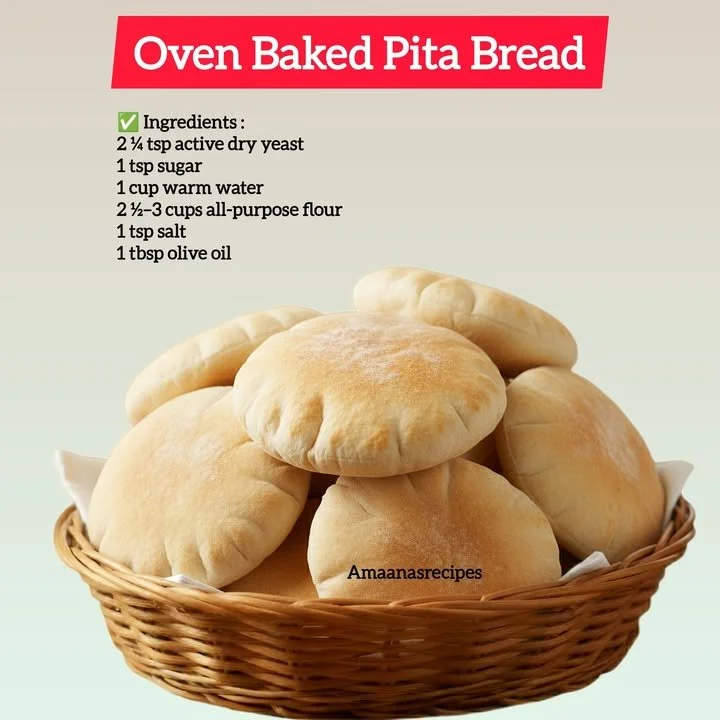
Another issue is overbaking. It can be tempting to leave them in a bit longer, but overbaked pitas lose their softness and turn hard. I always set a timer, and as soon as I see them puffing up, I keep a close eye on them.
Using cold water instead of warm is another misstep I’ve fallen into. Remember, yeast is a living organism that thrives in warmth, so starting with warm water is crucial!
Lastly, try not to overload the baking sheet with pitas. Giving them some space allows them to puff up as they bake. I’ve found that baking in batches works best, plus it gives me a reason to have the fresh ones straight out of the oven!
Serving Suggestions
Freshly baked pita bread is perfect for so many occasions! I love to serve mine with a variety of dips, like homemade hummus or tzatziki sauce. The soft, warm bread paired with these dips makes for a delightful snack or appetizer that disappears in a flash during gatherings.
For lunch, I often stuff my pitas with grilled chicken, fresh veggies, and a tangy sauce for a satisfying meal. It’s an easy way to turn leftovers into something new and exciting. I especially love adding a sprinkle of feta cheese for that added zing!
And let’s not forget about breakfast! I sometimes fill a pita with scrambled eggs, avocado, and a bit of salsa for a tasty morning treat that’s quick to make. It’s all about creativity with these wonderful pockets of goodness!
Variations & Customizations
There are so many ways to customize your pita bread! One of my favorite variations is to add whole wheat flour for a healthier version. If you’re looking to sneak in some more nutrition, subbing out half of the all-purpose flour with whole wheat flour does the trick! It gives the pitas a nuttier flavor and more texture, while still staying soft.
If I’m feeling adventurous, I sometimes mix spices directly into the dough, like garlic powder or cumin, which adds a fantastic depth of flavor. These seasoned pita breads can elevate your appetizers and sandwiches, making them even more memorable.
Lastly, have fun with your toppings. I occasionally sprinkle sesame seeds or poppy seeds on top before baking; this gives a nice crunch and a tasty twist to the classic pita. Don’t be shy to experiment; that’s where the fun of baking truly lies!
How to Store, Freeze & Reheat
Storing pita bread is super simple! Once they’ve cooled completely, I place them in an airtight container or a ziploc bag and keep them at room temperature for a few days. They usually last about 2-3 days before they start to dry out. Just be sure to separate any layers with parchment paper to prevent them from sticking together.
If you want to keep your pitas for longer, freezing them works like a charm. I like to stack them with parchment paper between each one, place them in a freezer-safe bag, and store them in the freezer for up to three months. This way, I can always have freshly baked pita bread on hand!
When it’s time to enjoy your frozen pitas, I simply pop them in a preheated oven at 350°F (175°C) for about 10 minutes. This reheating method revitalizes their fluffiness and warmth perfectly, making it feel like they’ve just come out of the oven again!
Conclusion
Baking pita bread in my kitchen has been a truly rewarding experience, and I hope you enjoy making this recipe just as much as I do. The process is straightforward, the results are delicious, and there’s nothing like the satisfaction of pulling warm pita bread from your oven. Whether you’re enjoying them with dips, as a sandwich, or even a hearty breakfast, I know they will become a favorite in your home too. Happy baking!