
After the resting period, I love to see how the dough has bubbled and expanded. It’s quite the sight! I then dust my countertop with a bit of flour and carefully turn the dough out onto the floured surface. I fold it over itself a couple of times to shape it into a rough ball. I leave it to rest for another 15-30 minutes while I preheat my oven to 450°F (230°C). Making sure to place my Dutch oven in the oven while it preheats is crucial; this helps to create that signature crispy crust we all adore.
Once everything is nicely heated, I carefully remove the Dutch oven (watch out, it’s hot!) and place a piece of parchment paper inside. I gently transfer my dough onto the parchment. Before covering it with the lid, I enjoy taking a moment to admire the rough beauty of it! I then bake it, covered for 30 minutes, before removing the lid and baking it for another 15 to 20 minutes. The aroma that fills my kitchen during those final minutes is beyond words.
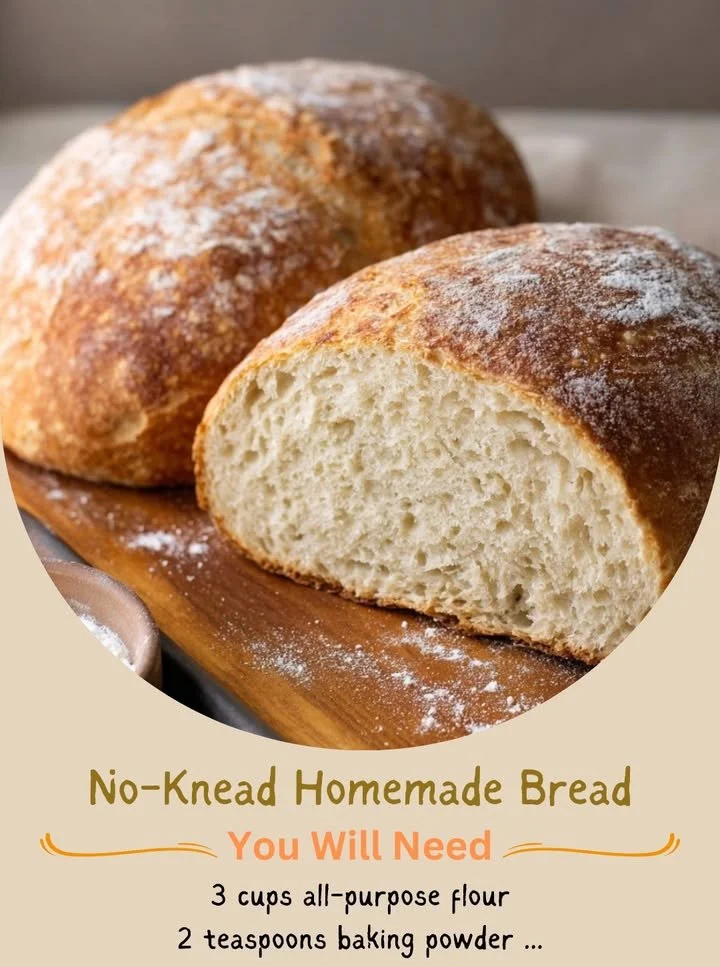
Once baked, I know I should let it cool, but waiting is always the hardest part! The luscious golden crust and the soft interior are so tempting. When I finally slice into the loaf, the sound of the crust crackling is music to my ears. Nothing beats that moment of pure satisfaction when you realize you’ve created something incredibly delicious from just a few simple ingredients.
Pro Tips for Best Results
One thing I’ve learned from my experiences is that the type of flour you use can make a difference. I’ve tested this recipe using both all-purpose flour and bread flour, and while both work beautifully, I find that bread flour gives a chewier texture that I love. It’s worth experimenting to see which you prefer!
Another tip I can’t stress enough is to let your dough rise longer if you can. I’ve found that a longer rise really develops the flavor and texture of the bread. If you can, try letting it rest for closer to the 18-hour mark. You’ll be amazed at the depth of flavor that comes from that extra fermentation time.
Lastly, be mindful of your water temperature! Too hot, and it can kill the yeast; too cold, and the fermentation will take much longer. I always aim for a temperature that feels warm but not scalding to my touch—just right for the yeast to do its magic!
Common Mistakes to Avoid
One common mistake I made early on was not letting the dough rise long enough. If you pull it out of the bowl too soon, the loaf will be dense and not as airy as you want. It may require some patience, but trust me, letting the dough sit for those long hours is worth the wait! (See the next page below to continue…)