
Common Mistakes to Avoid
My first big mistake was using cold ingredients. In my early baking days, I figured a few minutes on the counter was enough. The cold cream cheese stayed lumpy no matter how long I beat it, and the final cake had tiny bits of unincorporated cheese throughout. Now, I plan ahead. True room temperature means the cream cheese is soft all the way through when gently pressed. Trust me, this one step prevents so much frustration.
Overmixing after adding the eggs is a silent saboteur. When you add the eggs, you’re essentially building an emulsion. Beating on high speed or for too long incorporates excess air bubbles that expand in the oven and then collapse, leading to cracks and a less-dense texture. I mix on the lowest speed possible and only until each egg yolk vanishes. I also scrape the bowl down thoroughly between additions to ensure even mixing.
Do not overbake. The “jiggle test” is your best friend. I used to bake mine until the center looked completely set, which meant it was overdone by the time it cooled. It became dry and grainy. You want the center to jiggle like soft-set pudding when you gently shake the pan. The residual heat will carry it to perfection. Remember, it continues to cook as it cools in the turned-off oven.
Rushing the chilling process is the final pitfall. I once needed a cheesecake for a party and only chilled it for 6 hours. When I sliced it, it was still slightly soft in the center and messy to serve. The flavor also hadn’t fully developed. The long, slow chill in the fridge is when the magic happens—the flavors meld, and the texture becomes firm and sliceable. It’s worth the wait. Plan to make this cake two days before you need it.
Serving Suggestions
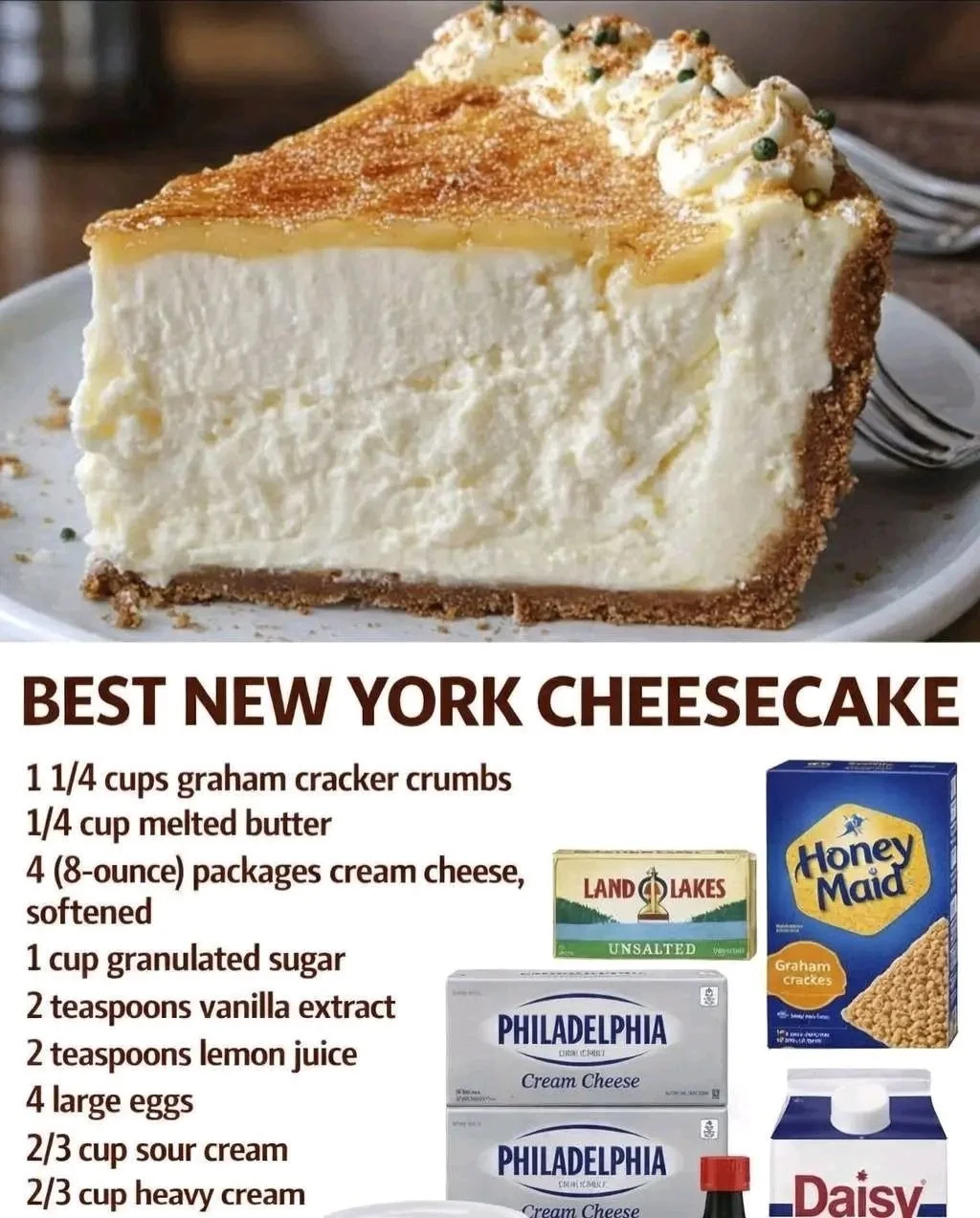
I adore serving this cheesecake in its pure, unadorned glory. A simple slice on a white plate allows the classic flavor to shine. The clean, crisp crust and the rich, tangy filling are a perfect balance. Sometimes, I’ll just add a tiny dollop of barely-sweetened whipped cream on the side for a touch of lightness, but it truly needs nothing at all.
For a classic New York diner presentation, I warm up a simple homemade strawberry or raspberry sauce. I don’t like it too sweet—just berries, a little sugar, and lemon juice cooked down until syrupy. I serve the sauce on the side so everyone can drizzle to their liking. A few fresh berries on top make it look gorgeous and add a bright, fresh contrast to the rich cake.
In the fall, I love a caramel apple variation. I’ll top the chilled cheesecake with a layer of salted caramel sauce and then a pile of thinly sliced apples that I’ve sautéed in butter with a bit of cinnamon. It’s decadent and festive. For a more elegant touch, a dark chocolate ganache drizzle and a few curls of white chocolate create a stunning black-and-white effect.
Variations & Customizations
For a stunning marble cheesecake, I reserve about one cup of the plain batter. To that, I mix in 4 ounces of melted and slightly cooled semi-sweet chocolate. After pouring the plain batter into the crust, I dollop the chocolate batter on top and swirl it with a knife. It bakes up beautifully and satisfies both vanilla and chocolate lovers in one dessert.
If you love a citrus twist, you can add the zest of one lemon or orange to the batter. The fresh zest adds a wonderful brightness without making the cheesecake sour. For a true Key Lime Cheesecake, you could substitute the sour cream with an equal amount of key lime juice and add zest, though the texture will be slightly tangier and softer.
You can also play with the crust. While graham cracker is classic, I’ve made fantastic versions using crushed gingersnaps (perfect for the holidays) or even chocolate wafer cookies. Just keep the same butter-to-crumb ratio. For a nutty depth, you can replace 1/2 cup of the graham crumbs with finely ground toasted pecans or almonds.
How to Store, Freeze & Reheat
Once fully chilled and set, I store the cheesecake in the springform pan, with the outer ring on, tightly wrapped in plastic wrap in the refrigerator. It will keep beautifully for up to 5 days. The flavor, in fact, often improves on days two and three. Always let slices sit at room temperature for about 20 minutes before serving to take the chill off and maximize creaminess.
To freeze, I chill the cheesecake completely, then remove it from the springform pan. I wrap the entire cake (or individual slices) tightly in a layer of plastic wrap, followed by a layer of heavy-duty aluminum foil. Placed in a freezer bag, it will keep for up to 2 months. Thaw it overnight in the refrigerator before serving. I don’t recommend freezing it with a fruit topping, as it can become watery.
Reheating is not typically needed, as cheesecake is served cold. However, if you’ve frozen a whole cake, the key is a slow, gradual thaw in the fridge. Do not try to speed it up on the counter, as condensation can make the top soggy. For a single frozen slice, you can thaw it in the refrigerator for a few hours or even enjoy it slightly frozen for a firmer, ice cream-like texture.
Conclusion
This New York cheesecake is more than a recipe; it’s a rewarding baking journey that ends with the most glorious, celebratory dessert. It has become my signature dish for special occasions, and the pride I feel when presenting that tall, creamy, uncracked beauty is unmatched. I hope this guide gives you the confidence to create your own perfect slice of nostalgia. Now, go bring that cream cheese to room temperature—your masterpiece awaits.