
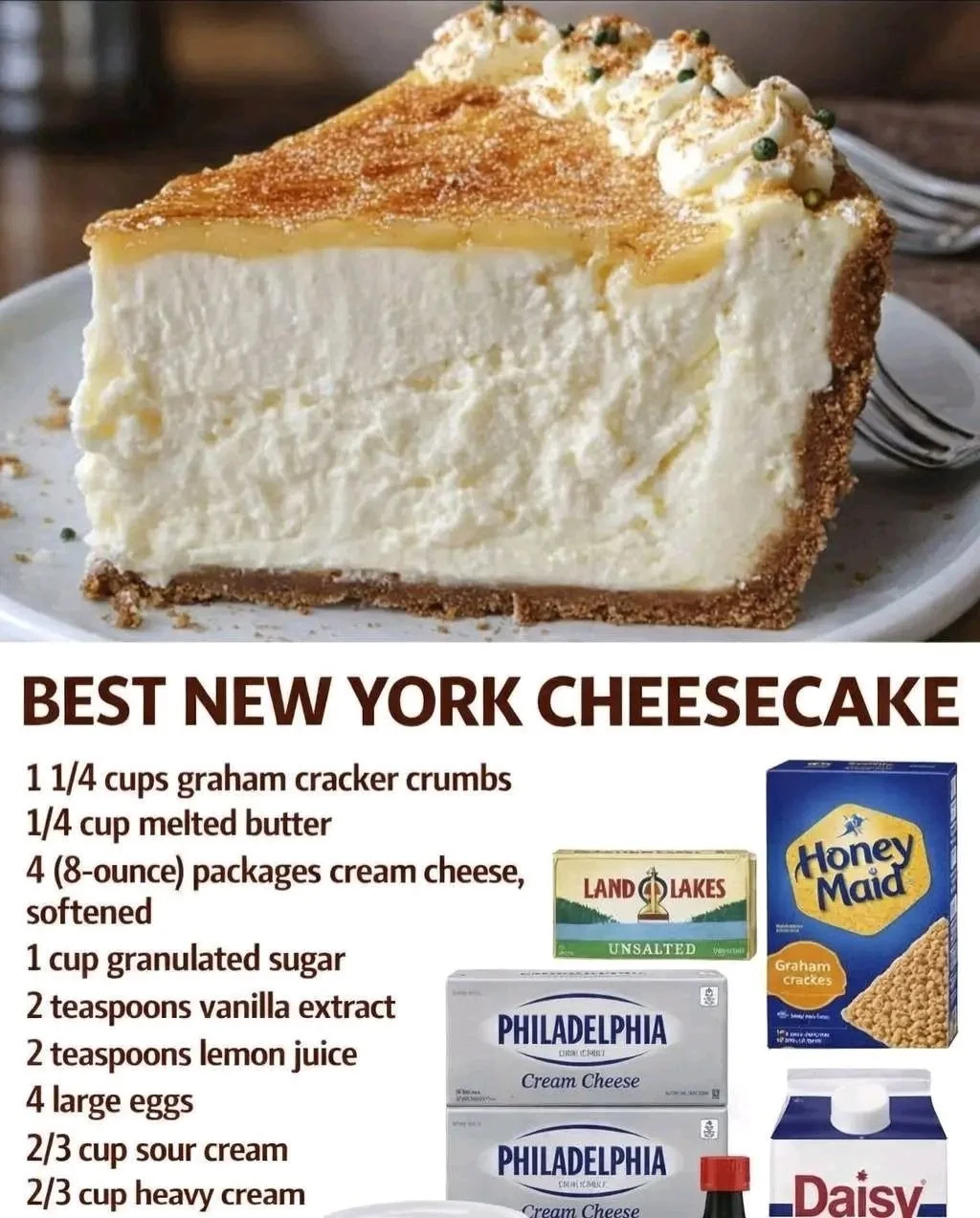
Now, for the most critical rule: room temperature everything. I take my cream cheese, eggs, and sour cream out at least two hours ahead. Cold cream cheese will never become smooth, leading to a lumpy batter. In the bowl of my stand mixer fitted with the paddle attachment, I beat the cream cheese on medium-low speed for a full minute until it’s utterly smooth and pliable. I then add the sugar and beat for another 2-3 minutes, scraping down the bowl often, until the mixture is creamy and no longer gritty. This step incorporates air and ensures the sugar is fully dissolved, which is key for a smooth texture.
With the mixer on low, I add the eggs and egg yolks one at a time, letting each disappear completely before adding the next. Overbeating here incorporates too much air and can cause cracks. Once the eggs are in, I add the sour cream, vanilla, lemon juice, and salt, mixing just to combine. Finally, I sprinkle the flour over the batter and mix on low for the final 30 seconds, just until no white streaks remain. The batter should be velvety, glossy, and lump-free. I pour it over the cooled crust and gently tap the pan on the counter to release any large air bubbles.
Here’s the secret weapon: the water bath. I wrap the bottom and up the sides of my springform pan tightly with two layers of heavy-duty foil to prevent water seeping in. I place the pan in a large roasting pan, set it on the oven rack, and then pour boiling water into the roasting pan until it comes about halfway up the sides of the springform. The steam creates a gentle, even heat that cooks the cheesecake slowly, preventing cracks and ensuring that legendary creamy texture. I bake it at 325°F for about 70-90 minutes. It’s done when the edges are set but the center still has a slight, gentle jiggle—like Jell-O. It will firm up as it cools.
Pro Tips for Best Results
I’ve tested mixing methods, and using a paddle attachment on a stand mixer (or hand beaters) on a medium-low to low speed is absolutely essential. I once tried using a whisk attachment on high to “fluff” it up, and it incorporated too much air. That cheesecake puffed up dramatically in the oven and then fell, creating a dense texture and a giant crack. Low and slow mixing is the mantra for a smooth, dense New York-style crumb.
The water bath is non-negotiable for a crack-free top. I tried skipping it once, thinking I could just turn the oven off and let it cool inside. The top browned too quickly, the edges overcooked, and a massive crack split the center. The steam from the water bath is your insurance policy. If you’re nervous about leaks, you can also place the springform pan inside an oven bag before putting it in the water bath for foolproof protection.
Patience during cooling is the final, crucial step. When the baking time is up, I turn off the oven, crack the door open with a wooden spoon, and let the cheesecake cool in the oven for one hour. This gradual temperature change prevents shocking the delicate custard. Then, I remove it from the water bath, take off the foil, and let it cool on the counter to room temperature (another 2 hours). Only then do I refrigerate it, uncovered, for at least 12 hours, but preferably 24. This long chill sets the texture perfectly and makes slicing clean a dream.(See the next page below to continue…)