
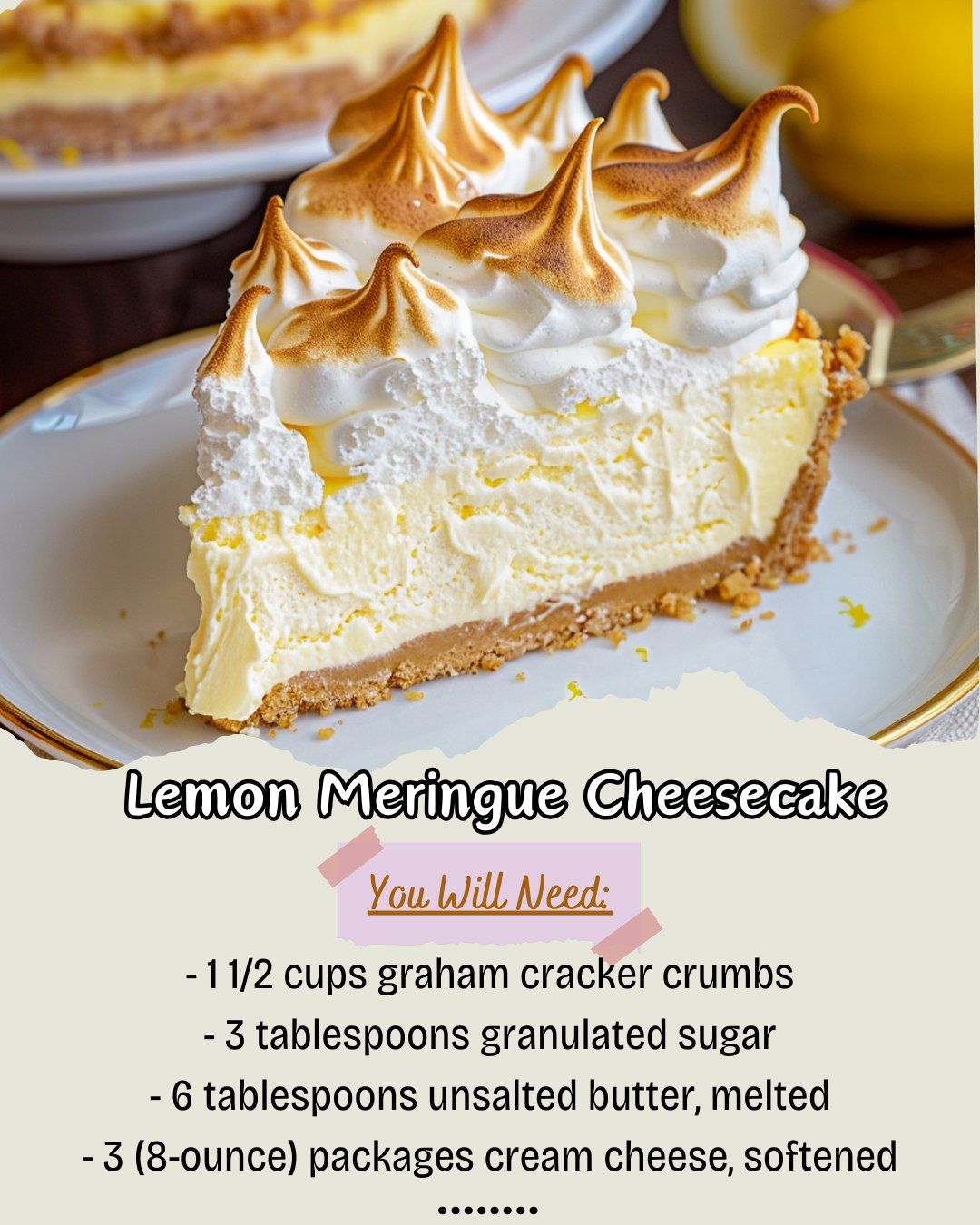
Once the cheesecake is chilled and firm, I make the lemon curd. In a heatproof bowl over a pot of simmering water (double boiler), I whisk the lemon juice, sugar, and eggs constantly until the mixture thickens enough to coat the back of a spoon. I remove it from the heat and whisk in the butter and lemon zest until smooth. I let it cool slightly, then spread it over the chilled cheesecake. For the meringue, I beat the room-temperature egg whites with cream of tartar until soft peaks form. I gradually add the sugar and beat until stiff, glossy peaks form, then beat in the vanilla. I pile the meringue over the curd and toast it with a kitchen torch until golden brown, or carefully under the broiler for a minute.
Pro Tips for Best Results
My number one tip is all about temperature. Your cream cheese, eggs, and sour cream must be at true room temperature. I take everything out 2 hours before I start. Cold ingredients don’t incorporate smoothly, leading to a lumpy batter that can bake unevenly and cause cracks. When you press your finger into the cream cheese, it should dent easily with no resistance.
Don’t rush the cooling process! I made the mistake of moving the cheesecake directly from the oven to the fridge once. The drastic temperature change made it sink dramatically and crack across the top. The slow cool-down—first in the turned-off oven, then on the counter, then finally in the fridge—allows the structure to set gently. This patience is the single biggest factor in achieving that flawless, professional surface.
For the most stable meringue that won’t weep, ensure your bowl and beaters are impeccably clean and free of any grease. Even a tiny speck of yolk can prevent the whites from whipping properly. Adding the sugar slowly, once soft peaks have formed, allows it to dissolve completely, creating a glossy, strong meringue that holds its shape beautifully under the torch.
Common Mistakes to Avoid
The first time I made lemon curd, I cooked it over direct heat. It curdled almost instantly, leaving me with sweet lemony scrambled eggs. Using a double boiler or a bowl over simmering water provides gentle, indirect heat that cooks the eggs smoothly and safely. Whisk constantly and remove it the moment it thickens. Patience here is non-negotiable.(See the next page below to continue…)