Equipment Needed
Step-by-Step Instructions
- The first thing I always do is preheat my oven to 350°F (175°C) and prepare my loaf pan with parchment paper. Trust me, lining the pan makes removing the cake much easier later. While the oven heats, I whisk together the flour, baking powder, and salt in a separate bowl and set it aside.
- In another bowl, I combine the granulated sugar and lemon zest. This is one of my favorite steps because rubbing the zest into the sugar releases the lemon oils and creates an incredible citrus fragrance. I’ve tried skipping this step before, and the lemon flavor wasn’t nearly as vibrant. Afterward, I beat in the softened butter until the mixture becomes light and fluffy, then mix in the vegetable oil.
- Next, I add the eggs one at a time and continue mixing until smooth. Then I stir in the vanilla bean paste and milk before finally adding the lemon juice. The batter starts smelling absolutely amazing at this point. Once everything is combined, I gently mix in the dry ingredients on low speed until just incorporated. I learned the hard way that overmixing can make the loaf less tender, so now I stop as soon as the flour disappears.
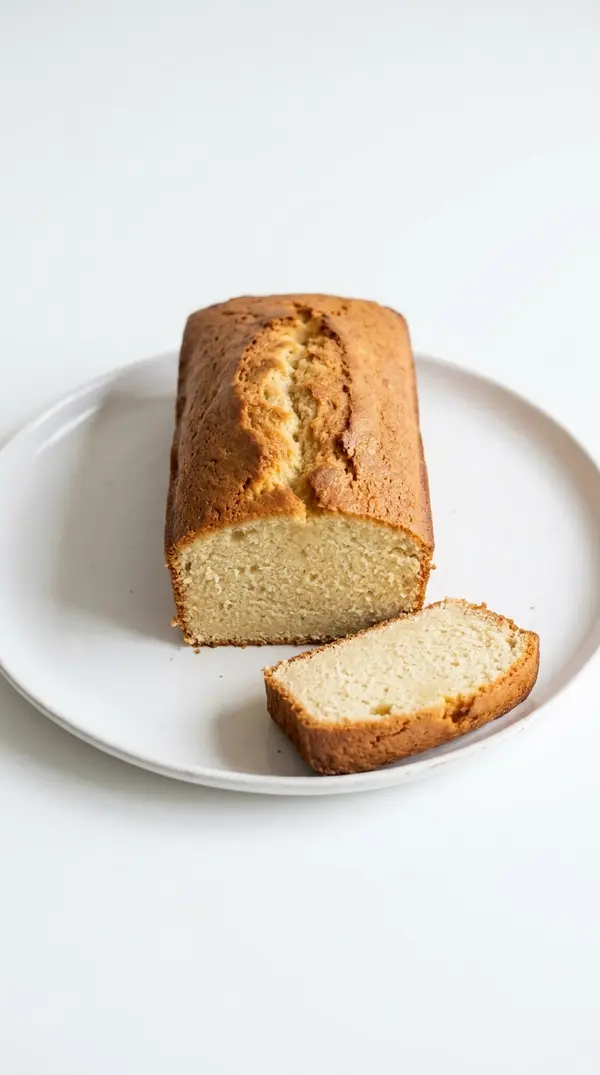
- I transfer the batter into the prepared loaf pan and smooth the top before baking for about 50–60 minutes. If the top starts browning too quickly, I loosely cover it with foil during the final minutes of baking. Once baked, I let the loaf cool in the pan for about 10–15 minutes before moving it to a wire rack. After it cools completely, I whisk together the glaze ingredients and drizzle the glossy lemon icing generously over the top.
Pro Tips for Best Results
I tested this recipe several times, and room-temperature ingredients make a huge difference. Cold eggs and milk don’t blend as smoothly, which can affect the texture of the finished cake. Trust me, allowing ingredients to warm slightly before baking is worth the extra time.
Another thing I learned is that fresh lemon juice and fresh zest are essential. Bottled lemon juice simply doesn’t provide the same bright flavor. Whenever I use fresh lemons, the cake tastes noticeably fresher and more vibrant.
Don’t skip rubbing the lemon zest into the sugar. I’ve tried this recipe both ways, and this simple step creates a much stronger lemon flavor throughout the cake. It takes less than a minute but makes a huge difference.
Common Mistakes to Avoid
The biggest mistake I made the first time was overmixing the batter after adding the flour. The loaf still tasted good, but it wasn’t nearly as soft and tender. Gentle mixing is the key to achieving the perfect crumb.
Another mistake is removing the loaf from the oven too early. I once assumed it was done because the top looked golden, but the center needed more time. A toothpick inserted into the middle should come out clean before removing it.
Using cold butter is another issue that can affect the batter. I once forgot to soften the butter properly, and it didn’t cream smoothly with the sugar. Softened butter creates a lighter and fluffier cake texture.
I also recommend waiting until the loaf is completely cool before glazing. I rushed this step once, and the glaze melted right off the cake instead of creating that beautiful thick finish on top.
Serving Suggestions
I personally love serving this lemon loaf cake with a hot cup of tea or coffee. The bright citrus flavor pairs beautifully with warm drinks and makes for a perfect afternoon treat.
Sometimes I add fresh berries on the side, especially strawberries or blueberries. The fruit complements the lemon flavor wonderfully and adds a fresh touch to the presentation.
When I want to make it feel extra special, I serve slices with a dollop of whipped cream. The creamy topping balances the tangy lemon glaze and turns a simple loaf cake into a beautiful dessert.
Variations & Customizations
I’ve experimented with adding poppy seeds to the batter, and the result was a delicious lemon poppy seed loaf with extra texture and visual appeal.
Another version I really enjoy includes folding fresh blueberries into the batter before baking. The juicy berries pair perfectly with the bright lemon flavor and make every slice even more enjoyable.
Sometimes I replace part of the lemon juice with orange juice for a citrus blend. It creates a slightly sweeter flavor profile while still maintaining the refreshing citrus character.
How to Store, Freeze & Reheat
From my experience, this lemon loaf cake stays fresh for about three to four days when stored in an airtight container at room temperature. The glaze helps keep the cake moist and flavorful.
I’ve also frozen individual slices successfully. I wrap each slice tightly and store them in a freezer-safe container. When I want one, I simply thaw it at room temperature for a few hours.
As for reheating, I usually enjoy this cake at room temperature, but a few seconds in the microwave can make it taste freshly baked again. Just don’t overheat it, or the glaze may melt too much.
Conclusion
This Lemon Loaf Cake has become one of my favorite homemade baked treats because it’s simple, beautiful, and packed with fresh citrus flavor. The buttery cake, fragrant lemon zest, and tangy glaze come together to create a dessert that feels both comforting and elegant. Whether you’re baking it for a family gathering, afternoon snack, or special occasion, this loaf never disappoints. Once you taste that soft, moist crumb with the bright lemon glaze, trust me, you’ll find yourself making it again and again.