
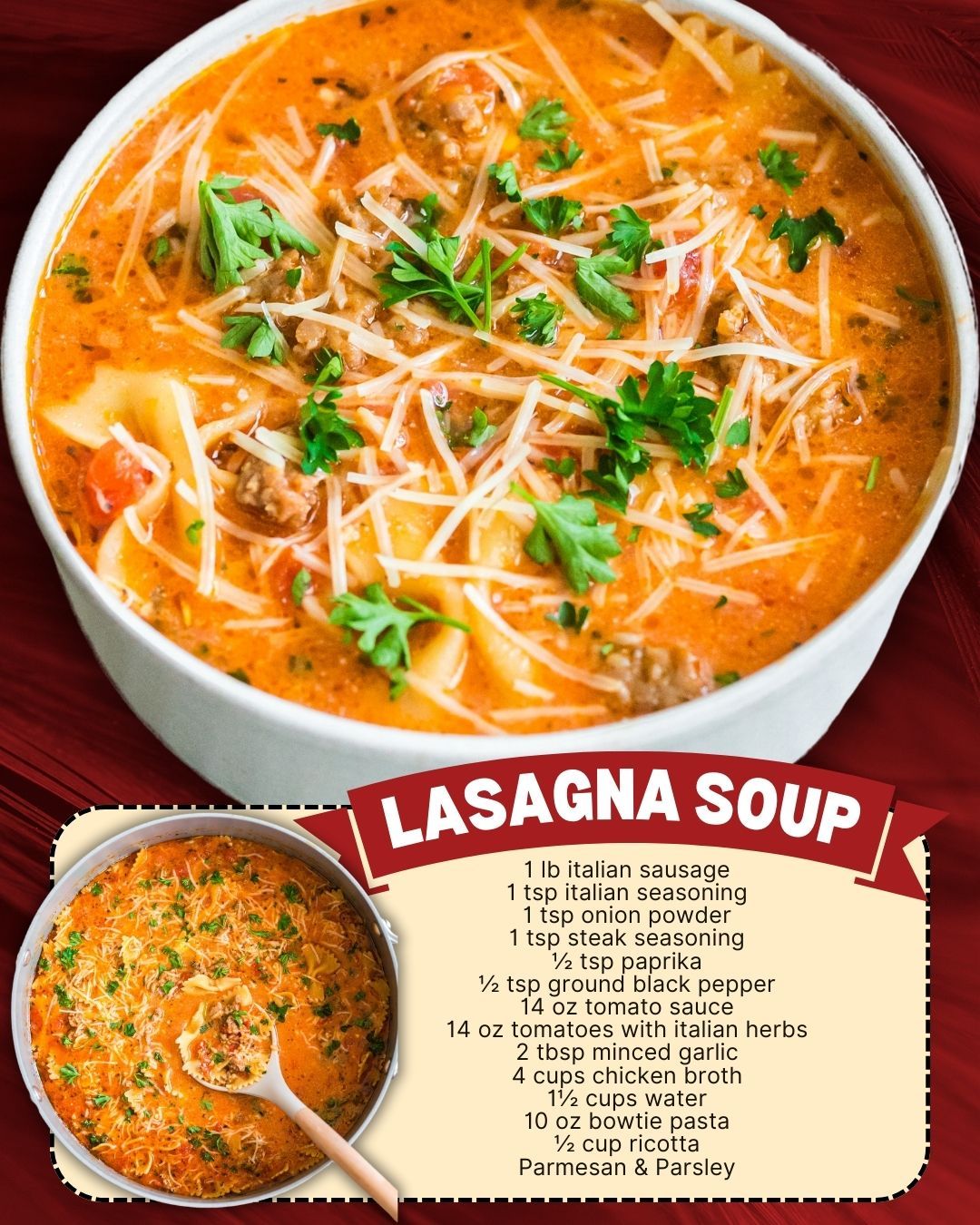
Another error is not adjusting the liquid. All chicken broths and pasta brands are different. If your soup seems too thick after adding the pasta, don’t be afraid to add an extra ½ cup of water or broth. Conversely, if it seems too thin after the pasta is cooked, let it simmer uncovered for a few extra minutes to reduce. The perfect consistency is like a very hearty, chunky stew—thick enough to coat the pasta but still brothy enough to be soup.
Overcooking the pasta is a common pitfall, especially if you plan on having leftovers. Pasta continues to cook and soften in the hot liquid even off the heat. I aim to cook it to just barely al dente, then immediately ladle it into bowls. If you know you’ll have leftovers, cook the pasta separately to al dente, rinse it with cool water to stop the cooking, and store it separately. Then, add a portion to each bowl of reheated soup. This keeps the texture perfect for days.
Finally, skimping on the toppings is a disservice to the experience. This isn’t just tomato soup with pasta. The ricotta cheese is not optional; it’s what makes it lasagna soup. Letting everyone add their own allows the cool ricotta to mix with the hot soup, creating little creamy pockets in every bite, just like the layered cheese in baked lasagna. The Parmesan and parsley are the final, essential flavor notes. Embrace the full assembly!
Serving Suggestions
I love serving this soup in large, wide bowls with all the toppings arranged in the center of the table. I put the ricotta in a small bowl with a spoon, the Parmesan in a shaker, and the chopped parsley in a little dish. Alongside, I always serve a loaf of warm, crusty garlic bread or a batch of soft, buttery breadsticks. Dipping that bread into the rich, tomatoey broth is an absolute essential part of the meal.
For a more complete Italian feast, I’ll pair it with a simple, crisp Caesar salad or an antipasto plate with marinated olives and meats. The soup is so hearty that a light, refreshing salad is the perfect balance. For a casual family movie night, we often just have big bowls of soup and garlic bread—it’s the ultimate cozy, satisfying meal that requires nothing else.
When I’m serving this for a crowd, like during football season, I keep it simple and stress-free. I transfer the soup to a slow cooker on the “warm” setting and let everyone serve themselves buffet-style. The toppings are set up next to it. It’s a guaranteed crowd-pleaser that feels special but lets me enjoy the party, not slave in the kitchen.
Variations & Customizations
This soup is wonderfully adaptable. If you love vegetables, feel free to add them when you bloom the spices. A diced onion and a cup of sliced mushrooms sautéed with the sausage add fantastic texture and earthiness. A handful of chopped spinach or kale stirred in during the last two minutes of cooking wilts down perfectly and adds a nutritional boost. For a “vegetable lasagna” vibe, you can use plant-based Italian sausage and vegetable broth.
You can easily change up the pasta shape. While bowties are fun and hold the broth well, other great options are mafalda (mini lasagna noodles), rotini, or even broken-up lasagna noodles. Just adjust the cooking time accordingly. For a gluten-free version, use your favorite gluten-free pasta and be sure to check that your sausage and seasonings are gluten-free as well.
For a richer, creamier soup, stir in a half-cup of heavy cream or a few tablespoons of cream cheese along with the ricotta at the end. For a meatier version, add a half-pound of lean ground beef with the sausage. If you like a touch of sweetness to balance the tomatoes, a teaspoon of sugar can be added with the broth. The basic framework is incredibly forgiving.
How to Store, Freeze & Reheat
Leftovers can be stored in an airtight container in the refrigerator for 3-4 days. Be aware that the pasta will continue to absorb the broth, so it will become much thicker. When reheating on the stovetop, add a splash of water, broth, or even a bit of extra tomato sauce to loosen it back to soup consistency. Reheat gently over medium-low heat.
This soup freezes beautifully, but with one important rule: freeze the soup base without the pasta. The pasta will become mushy and grainy when frozen and thawed. After cooking the soup, let the broth and sausage mixture cool completely, then portion it into freezer-safe bags or containers. It will keep for up to 3 months.
To serve, thaw the soup base overnight in the refrigerator. Reheat it in a pot on the stove. While it’s reheating, cook a fresh batch of bowtie pasta separately. Ladle the hot soup over the cooked pasta in each bowl and add your fresh toppings. This method ensures every bowl tastes as vibrant and texturally perfect as the first.
Conclusion
This Lasagna Soup is more than just a recipe; it’s a brilliant, time-saving hack that delivers maximum comfort with minimal effort. It’s the answer to lasagna cravings any night of the week and has become a beloved staple in my home. I hope it brings the same warmth, flavor, and ease to your kitchen, creating new cozy traditions around your own table. Now, go grab that pot and get simmering—your new favorite soup is just an hour away.