
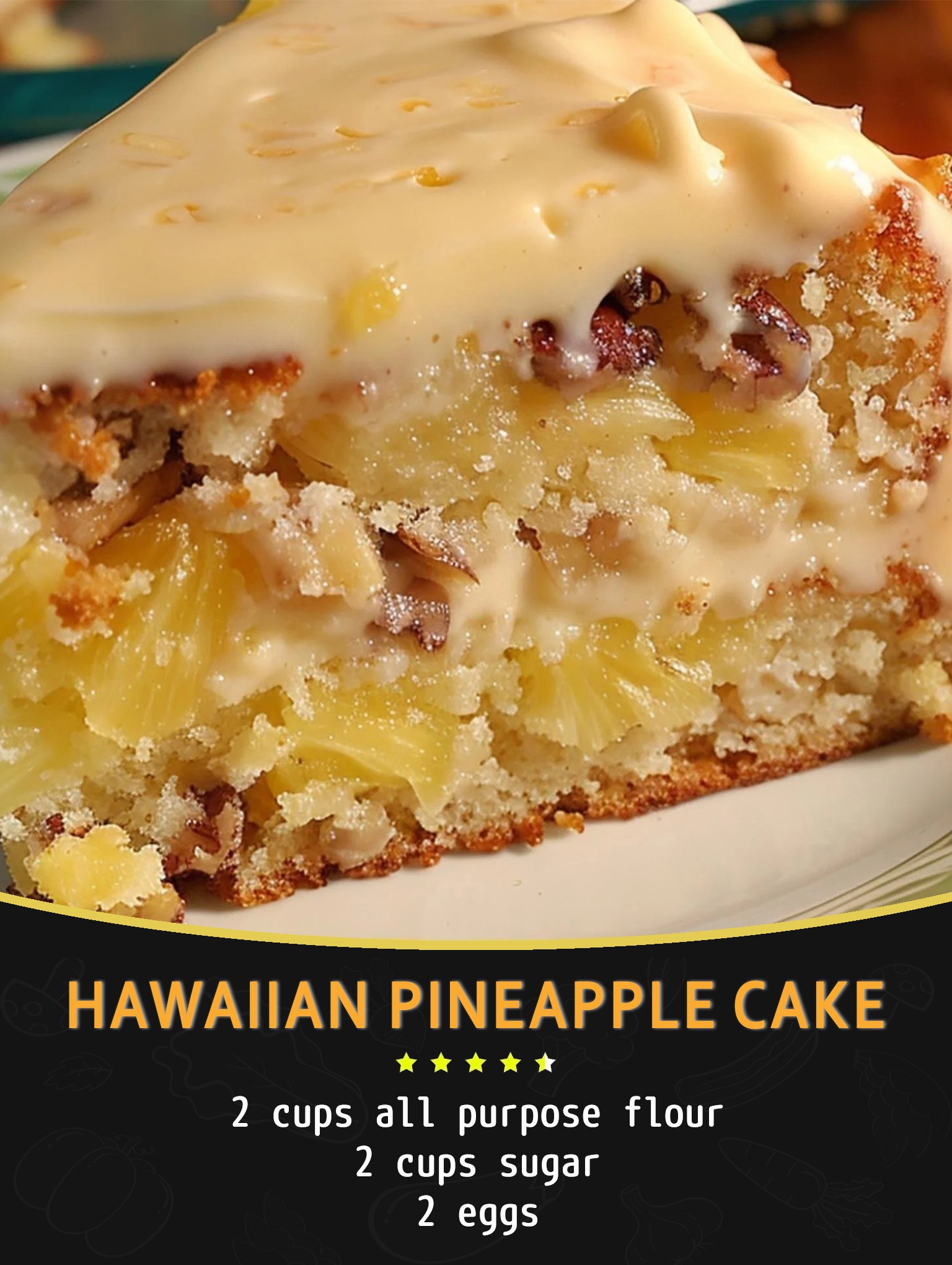
Another common error is overmixing the batter. Since you’re mixing wet into dry, you only need to stir until the flour disappears. Overmixing develops the gluten in the flour, which can lead to a tougher, denser cake rather than the tender crumb we want. I use a whisk to combine initially, then switch to a spatula to fold and ensure no dry pockets remain at the bottom. Once it’s uniform, stop. A few small lumps are perfectly fine.
Undermixing the frosting ingredients is a pitfall on the other end of the spectrum. When you add the powdered sugar to the cream cheese and butter, you must start your mixer on the lowest speed. If you start on high, you’ll be showered in a snowy cloud of sugar. I’ve done it, and it’s a mess to clean up. Mix on low until the sugar is incorporated, then increase the speed to medium-high to beat in some air and make it fluffy. This also prevents graininess.
Finally, skipping the coconut toasting is a disservice to the cake. Plain, sweetened shredded coconut is fine, but toasted coconut is transformative. It adds a nutty, caramelized flavor and a wonderful crunch that contrasts with the soft cake and creamy frosting. I’ve served it both ways, and the toasted version always gets more rave reviews. Simply spread the coconut on a baking sheet and bake at 350°F for 5-7 minutes, stirring once, until golden. Let it cool completely before sprinkling.
Serving Suggestions
I love serving this cake right from the pan, cut into generous squares. It’s a wonderfully casual dessert that feels special. For a party, I sometimes will cut it into smaller, bite-sized pieces for easy grabbing. The cream cheese frosting and coconut topping make it substantial enough to stand completely on its own—it needs no extra accompaniment, but a cup of strong coffee or a glass of cold milk is its perfect partner.
For a more elegant presentation, especially at a summer luncheon, I like to garnish each plate with a thin, fresh pineapple ring or a few chunks of fresh pineapple on the side. A tiny sprig of mint adds a beautiful pop of color. The fresh fruit echoes the flavor in the cake and makes the whole plate look like a tropical getaway. It’s a simple touch that elevates it from a homey dessert to something truly guest-worthy.
This cake is also a fantastic potluck or bake-sale star. It travels beautifully in its own pan with a lid, and the frosting is sturdy. I always make it the night before an event. The flavors meld and the texture becomes even more perfect after a night in the fridge. I just let it sit at room temperature for about 30 minutes before serving to take the chill off the frosting. It’s my most-requested recipe for family reunions.
Variations & Customizations
One of my favorite ways to customize this cake is by adding a tropical twist to the batter itself. I’ve folded in 1 cup of toasted, chopped macadamia nuts for a wonderful buttery crunch. Another time, I replaced the vanilla extract with 1/2 teaspoon of coconut extract, which amplified the island flavor beautifully (just be careful, as coconut extract can be strong). A handful of sweetened flaked coconut mixed right into the batter is also a delicious addition for extra texture.
The frosting is a great canvas for flavor play, too. I’ve added a tablespoon of finely minced crystallized ginger to the frosting for a spicy kick that plays off the pineapple perfectly. For a citrusy note, adding the zest of one lime or lemon to the frosting is incredibly refreshing. If you’re a fan of piña coladas, a tablespoon of rum or 1/2 teaspoon of rum extract in the frosting will bring that classic flavor combination to life.
For a lighter, less sweet option, you can skip the frosting altogether. I’ve done this for a breakfast or brunch cake. Just bake the cake as directed, and while it’s still warm, I’ll poke holes all over the top with a skewer and brush on a simple glaze made from 1/4 cup of the pineapple juice mixed with 1 cup of powdered sugar. It soaks in and creates a delicious, shiny top. A simple dusting of powdered sugar works wonders, too.
How to Store, Freeze & Reheat
This cake stores beautifully, thanks to its high moisture content. Once frosted, I cover the pan tightly with plastic wrap or aluminum foil and store it in the refrigerator. It will stay fresh and delicious for up to 5 days. The flavors continue to develop, and I often think it tastes even better on day two or three. Just be sure it’s covered well, as the fridge can dry out baked goods. Let slices sit at room temperature for 15-20 minutes before serving for the best texture and flavor.
You can also freeze this cake, both frosted and unfrosted. To freeze unfrosted, cool the cake completely in the pan, then wrap the entire pan tightly in a layer of plastic wrap followed by a layer of heavy-duty foil. It will keep for up to 3 months. To freeze individual frosted slices, place them on a baking sheet to flash-freeze for an hour until solid, then transfer to a freezer bag. This way, you can pull out a single slice of sunshine whenever the craving hits.
To thaw, transfer the wrapped cake (or slices) from the freezer to the refrigerator and let it thaw overnight. For a frosted cake, I don’t recommend reheating it, as it’s meant to be served cool. If you have an unfrosted slice you’d like warm, you can microwave it for just 10-15 seconds. But honestly, I love it cold straight from the fridge—the texture is wonderfully dense and the flavors are bright.
Conclusion
This Hawaiian Pineapple Cake is more than just a recipe; it’s a little jar of sunshine and a guaranteed smile-maker. Its incredible ease and spectacular results have made it a cornerstone of my baking repertoire. I hope it brings a taste of tropical joy to your kitchen and becomes a cherished treat for your family and friends, just as it has for mine. Give it a try, and get ready to transport your taste buds to paradise. Happy baking