
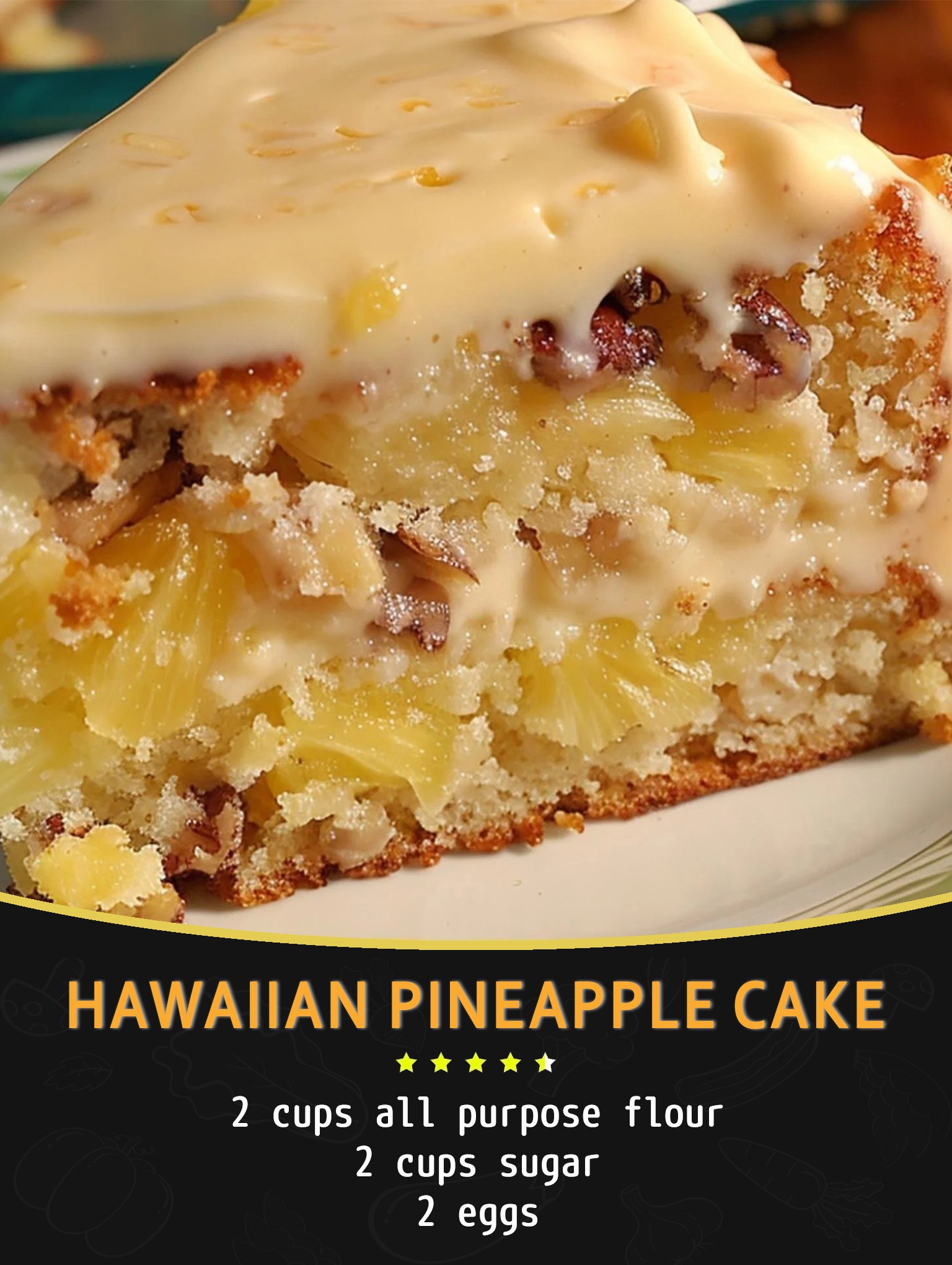
While the cake cools, make the frosting. This cream cheese frosting is non-negotiable for the full Hawaiian experience. In your mixer bowl, beat the softened cream cheese and butter together until completely smooth and fluffy. This takes a good 2-3 minutes. If they’re not fully softened, you’ll get lumps, and I’ve learned that lesson the hard way. Gradually add the sifted powdered sugar, vanilla, and a tiny pinch of salt. The salt cuts the sweetness and makes the flavor pop. Beat until light and spreadable. Once the cake is completely cool, spread the frosting over the top and generously sprinkle with the toasted coconut. Toasting the coconut is a step you must not skip—it adds a nutty depth that raw coconut lacks.
Pro Tips for Best Results
My number one tip is about the pineapple. I have tested this with fresh pineapple, and while delicious, it doesn’t provide the same consistent moisture or sweetness. The canned pineapple in juice is the key. It’s reliably sweet and its juice integrates perfectly into the batter. I’ve tried name-brand and store-brand, and both work wonderfully. Just ensure you’re not accidentally buying pineapple in heavy syrup, as it can be overly sweet. The “in 100% juice” variety is perfect.
The second tip is all about temperature and mixing for the frosting. Your cream cheese and butter must be truly at room temperature. I take mine out at least 2 hours before I plan to frost. Cold ingredients will never whip up to that smooth, cloud-like consistency, and you risk overbeating and making the frosting runny as you try to combat the lumps. Also, sift your powdered sugar. I used to skip this, thinking it was a fussy step, but it prevents tiny lumps in your frosting and makes it silky smooth.
Finally, don’t rush the cooling process. I know it’s tempting to frost a slightly warm cake, especially when your kitchen smells this good. But if you spread cream cheese frosting on a warm cake, it will melt into a gloppy, thin mess and soak into the cake rather than sitting proudly on top. I let my cake cool in the pan on the rack for a full 2 hours, sometimes even longer. Patience here gives you a perfect, sliceable cake with distinct, beautiful layers.
Common Mistakes to Avoid
The first major mistake is draining the pineapple. I made this error in my very first attempt. I saw all that juice and thought, “That can’t be right, it’ll be soup!” So I drained it. The resulting cake was fine, but it was missing that iconic, super-moist, almost pudding-like crumb. It was just a regular cake. The juice is essential—it hydrates the flour and sugar directly, creating the unique texture. Trust the recipe and dump it all in. (See the next page below to continue…)