What to Know Before You Start
Finally, the moderate oven temperature of 350°F (175°C) lets the cake set evenly while the edges brown just enough for that coveted golden edge.
Step‑by‑Step Method
Step 1: Measure 2 cups of flour into a clean mixing bowl (B1). The flour should be sifted lightly with a spoon to break up any clumps. Step 2: Crack the 2 eggs directly over the flour in bowl B1. Let the yolks and whites settle before adding anything else. Step 3: Add 1 cup of sugar to the bowl, sprinkling it evenly over the flour‑egg mixture.
Step 4: Pour 1/2 cup of oil over the dry ingredients. The oil will coat the flour particles, helping to keep the crumb tender. Step 5: Follow with 1 cup of milk, creating a liquid layer that will blend the dry components. Step 6: Using a whisk (W1), stir the batter vigorously for about 30 seconds, or until the mixture is smooth and free of flour pockets. The batter should look glossy and pourable.
Step 7: Lightly grease a 9‑inch round cake pan (Pan1) with a thin film of oil, then pour the batter in, spreading it evenly with the whisk handle. Step 8: Place the pan on the middle rack of a pre‑heated oven set to 350°F (175°C). Bake for 30 to 35 minutes, rotating the pan halfway through for even browning.
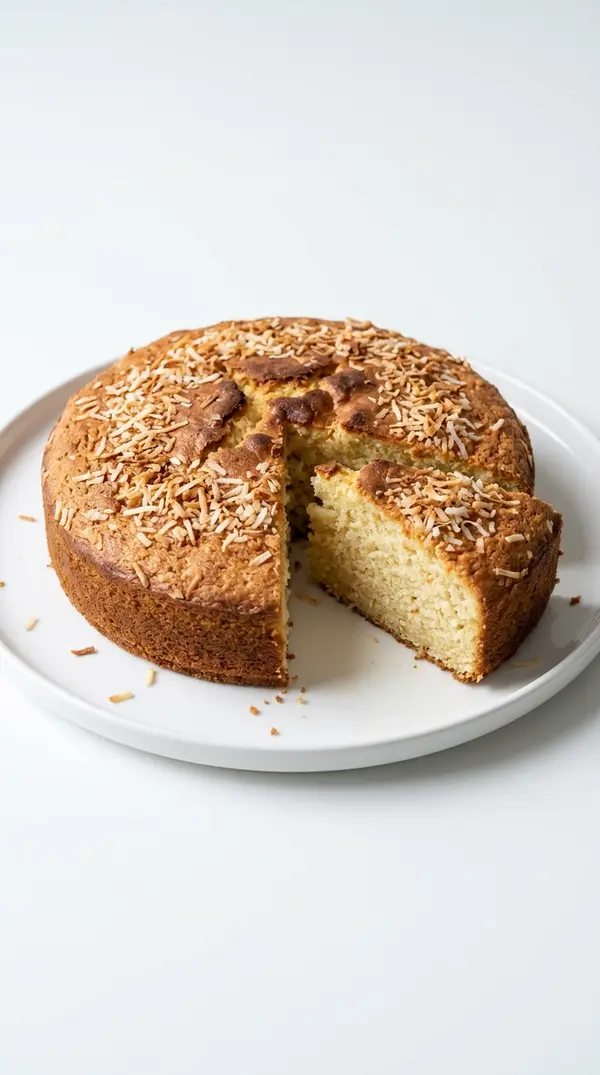
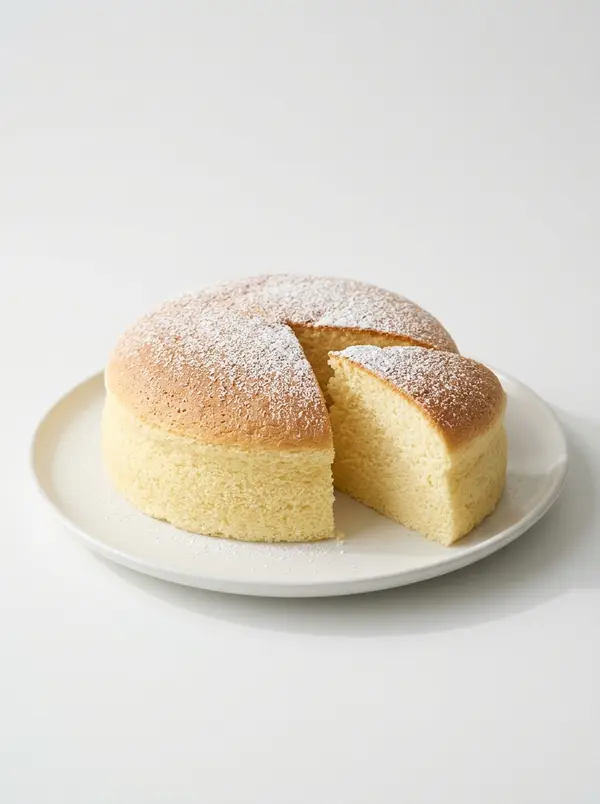
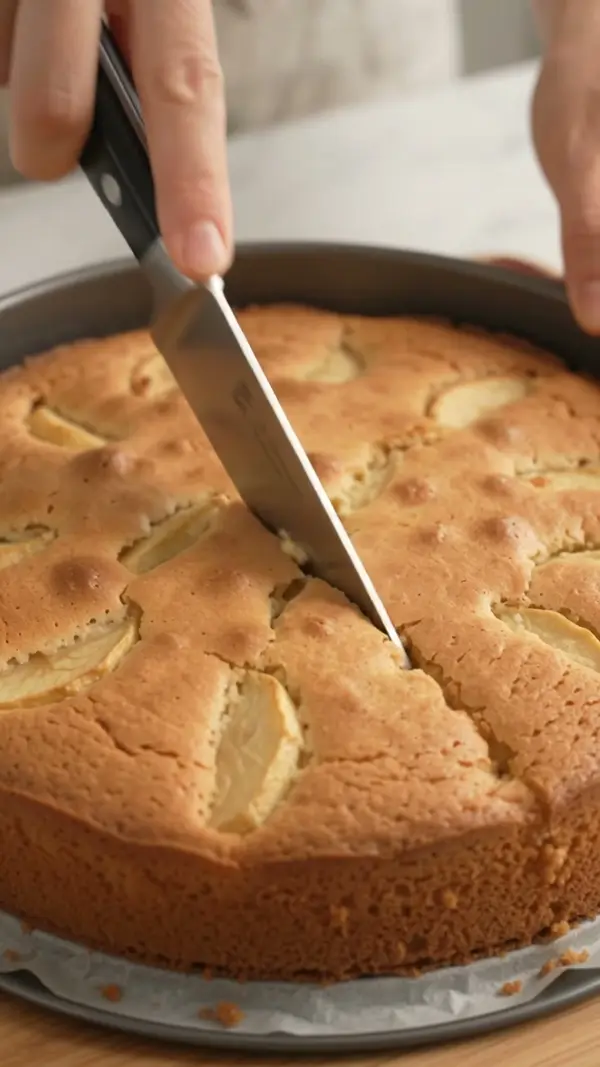
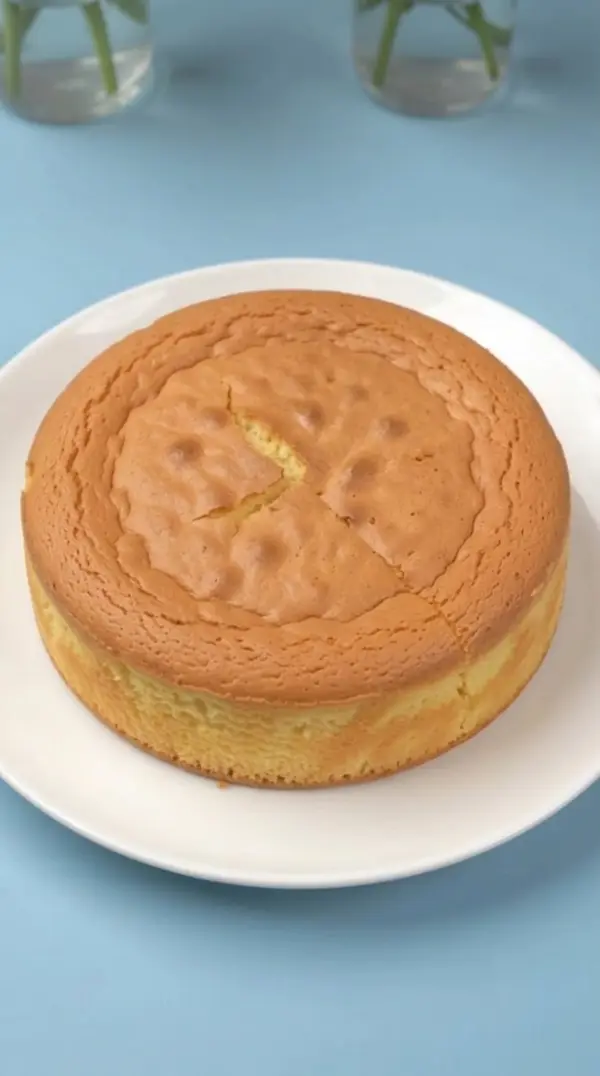
The cake is done when a toothpick inserted in the center comes out clean and the edges are a deep golden brown. Step 9: Remove the pan from the oven and let the cake rest for five minutes. Then run a thin knife (Kn1) around the perimeter to loosen the sides. Step 10: Transfer the cake to a cooling rack and slice with a sharp knife (Pl1) once it is cool enough to handle. Serve plain or dust with powdered sugar.
Common Mistakes and How to Fix Them
If the top cracks, it usually means the oven was too hot; lower the temperature by 25 °F next time and check the oven with an external thermometer. A dense, heavy crumb often results from over‑mixing; stop whisking as soon as the batter looks smooth. When the cake sticks to the pan, it’s a sign the pan wasn’t greased enough; add a thin layer of oil and a dusting of flour before pouring the batter.
If the edges brown too quickly while the center stays raw, move the pan to a higher rack and cover the top loosely with foil. Finally, a gummy interior can be caused by under‑baking; always test with a toothpick and trust the visual cue of a spring‑back center.
Simple Swaps That Still Work
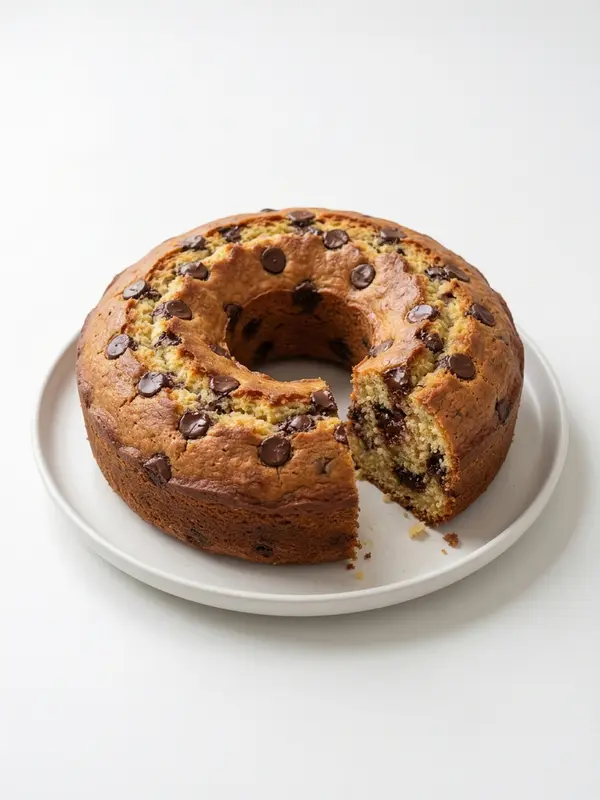
Replacing the oil with melted butter adds a richer flavor but may make the crumb slightly firmer; melt the butter and let it cool before adding. Substituting almond milk for dairy milk keeps the cake moist and introduces a subtle nutty note, though the crust may be a shade lighter. Using half‑whole‑wheat flour for half of the all‑purpose flour adds a mild nutty taste and a bit more texture without compromising rise. For a festive twist, fold in a cup of mini chocolate chips after whisking; the chips will melt slightly, creating pockets of gooey chocolate.
Keeping Your Golden Butter Cake Fresh and Warm
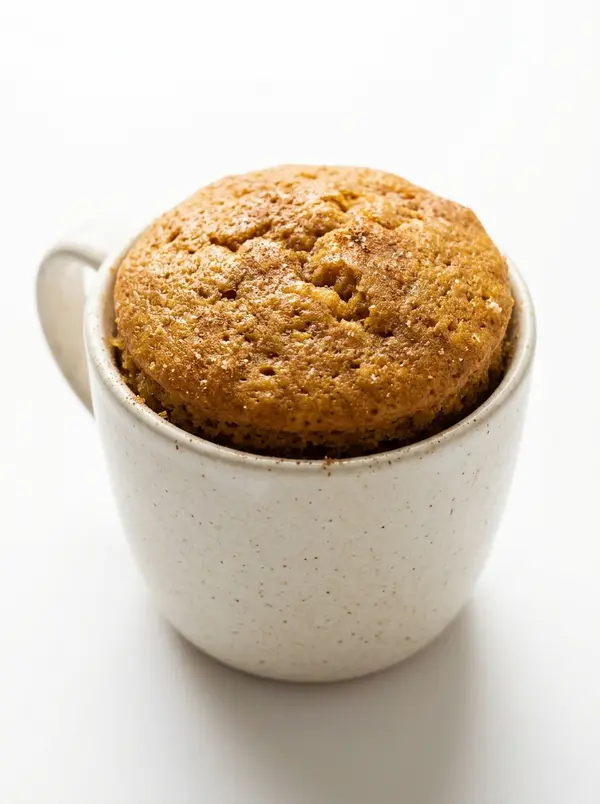
Once cooled, wrap the cake tightly in plastic wrap or store it in an airtight container. It will stay soft at room temperature for up to three days. For longer storage, slice the cake, place the pieces in a freezer‑safe bag, and freeze for up to two months. To reheat, microwave a slice for 15‑20 seconds or warm the whole cake in a 300°F (150°C) oven for ten minutes, which revives the golden crust.
Ways to Plate and Pair This Golden Butter Cake
Golden butter cake pairs well with a dollop of whipped cream or a drizzle of simple vanilla glaze. Serve warm slices alongside fresh berries for a light dessert, or crumble the cake over ice cream for an indulgent sundae. A thin spread of apricot jam adds a tangy contrast that highlights the buttery flavor.
Golden Butter Cake Questions & Answers
How do I know when the cake is perfectly baked?
Look for a golden‑brown edge and a center that springs back lightly when pressed with a fingertip. Insert a toothpick; it should emerge clean or with only a few moist crumbs.
Can I use a different pan shape?
A 9‑inch round pan gives the best rise, but a 9‑inch square pan works if you spread the batter evenly. Adjust baking time by checking for doneness a few minutes earlier.
What if I don’t have a whisk?
A fork or a handheld electric mixer can achieve the same smooth batter; just be sure to blend until no flour streaks remain.
Is it okay to add vanilla extract?
Yes, a teaspoon of vanilla extract enhances the flavor without affecting texture; add it with the sugar before whisking.
How far in advance can I bake the cake?
You can bake the cake up to two days ahead; store it wrapped tightly and bring it to room temperature before slicing for the best texture.
For more buttery cake ideas, try our Funfetti Butter Cake or explore a low‑carb twist with Keto Gooey Butter Cake.