
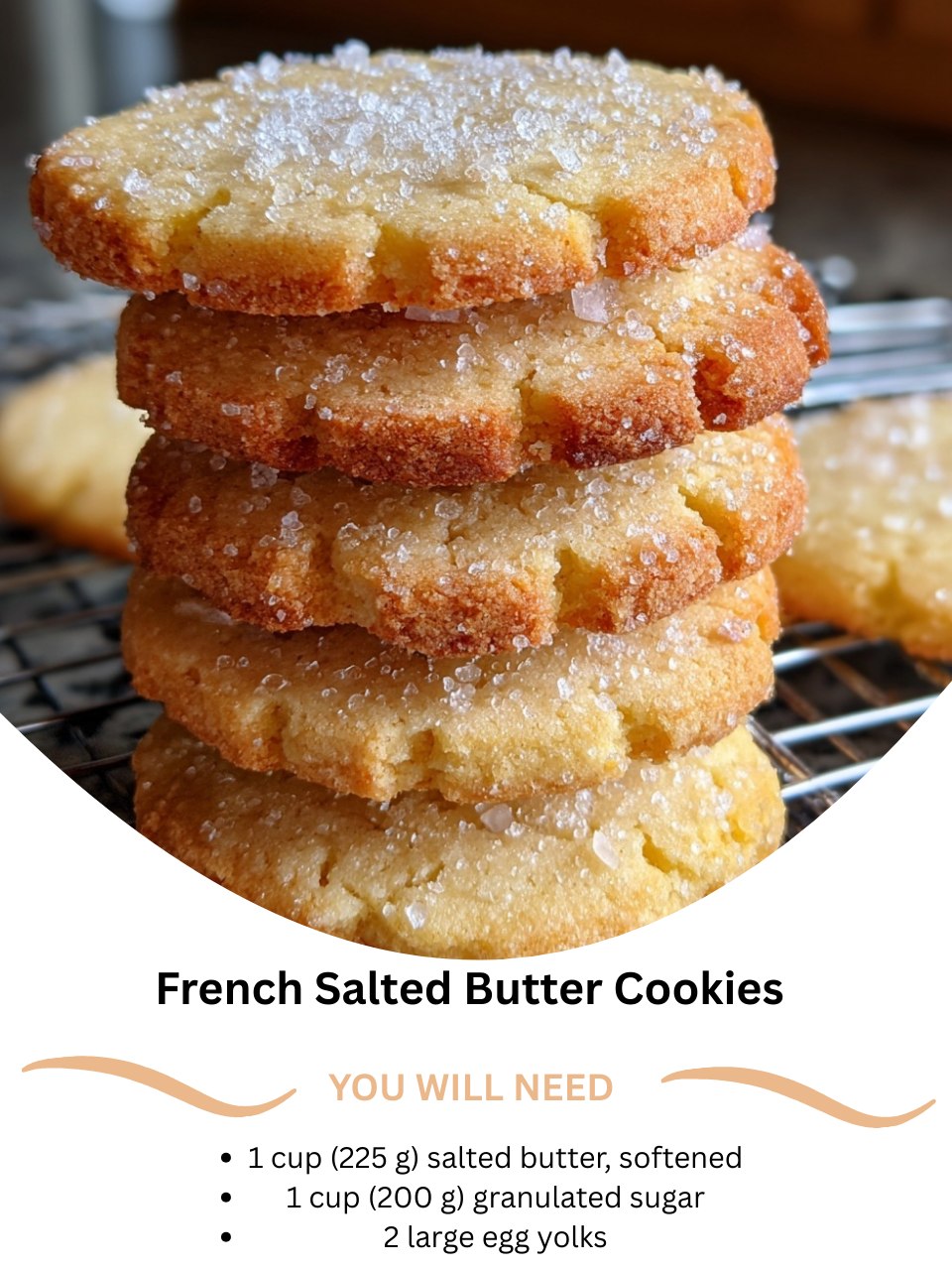
Don’t overwork the dough after adding the flour. As soon as the flour is incorporated, stop mixing. This is not a bread dough; you do not want to develop the gluten. I’ve learned the hard way that overmixed dough bakes up tough and hard instead of tender and crumbly. Mix on low and stop the second it comes together.
Another error is rolling the dough too thin or too thick. At ¼-inch, you get the perfect balance of a crisp edge and a tender middle. If you roll them thinner, they can become too crisp and brittle; if thicker, they may not bake through properly in the center. Using rolling pin guides or even two chopsticks on either side of the dough can help maintain perfect, even thickness.
Finally, avoid over-baking. These cookies have a fine line between perfectly done and overdone. They continue to cook on the hot baking sheet after you pull them out. If you wait for them to turn a deep golden brown all over, they will taste bitter and be too hard once cooled. Pull them when the edges are just kissed with gold.
Serving Suggestions
I love serving these cookies on a simple, elegant plate, perhaps with a small pot of French-press coffee or a delicate tea like Earl Grey. Their sophistication speaks for itself, and they are the perfect accompaniment to a warm beverage, allowing the nuanced butter and salt flavors to shine.
For a truly French experience, I sometimes serve them as a dessert alongside a glass of Sauternes or a late-harvest Riesling. The wine’s sweetness plays beautifully against the salty, buttery cookie. They are also fantastic crumbled over vanilla ice cream or a fruit compote for a simple, yet impressive, composed dessert.
During the holidays, I pack them in a beautiful tin as a gift. They feel incredibly special and gourmet. I might tie the tin with a simple ribbon and a sprig of rosemary or lavender for a touch of rustic French charm. They ship and keep well, making them an ideal homemade present.
Variations & Customizations
While the classic is perfection, a little zest can be wonderful. Adding the finely grated zest of one lemon or orange to the butter-sugar mixture creates a beautiful, bright variation. The citrus cuts through the richness and adds a lovely fragrance. I’d reduce any optional topping salt if using citrus.
For a nutty version, you can replace ½ cup of the all-purpose flour with an equal amount of very finely ground almond flour. This adds a marvelous depth and a slightly more tender, moist crumb. Toasted, finely chopped hazelnuts are another sublime addition, folded in with the flour.
You can also play with the shape and finish. Instead of round cut-outs, you can form the dough into a log, chill it, and slice it into rounds for even easier preparation. Before baking, you can brush the tops with a beaten egg white and sprinkle with coarse sugar instead of salt for a different kind of sparkle and crunch.
How to Store, Freeze & Reheat
Once completely cooled, I store these cookies in an airtight container at room temperature. They will keep perfectly for up to 5 days. Because they are so buttery, I do not recommend refrigerating them, as it can cause them to absorb other odors and lose their crisp texture.
The dough freezes brilliantly. You can freeze the shaped, unbaked cookies on a tray, then transfer to a freezer bag, or freeze the whole dough log. They can go straight from the freezer to the oven; just add 1-2 minutes to the baking time. Baked cookies can also be frozen in an airtight container for up to 2 months. Thaw at room temperature.
To recapture that just-baked crispness, you can refresh the cookies by placing them on a baking sheet in a 300°F (150°C) oven for 3-4 minutes. Let them cool again on a rack. This works wonders if they’ve softened a bit after a few days in the container. Never microwave them, as it will make them tough.
Conclusion
These French Salted Butter Cookies have become my gold standard for what a simple cookie can be. They’ve taught me the power of quality ingredients, the importance of technique, and the sheer elegance of restraint. I hope you’ll give them a try, savoring the process of creaming, rolling, and baking. There’s a deep satisfaction in mastering a recipe that relies not on bells and whistles, but on perfect execution. They are a humble reminder that sometimes, the most profound flavors come from the simplest combinations. Happy baking