Gentle Water‑Bath Baking Method
Step 1: Step 1: Separate the three eggs, placing the yolks in a medium bowl and the whites in a clean, dry mixing bowl.
Step 2: Step 2: To the yolks add the yogurt, cake flour, corn starch, the zest of one lemon, and two pinches of salt. Whisk until the mixture is smooth and uniform, about 30 seconds.
Step 3: Step 3: In the bowl with the egg whites, add the lemon juice. Using a handheld or stand mixer, begin whipping on medium speed, then gradually pour in the sugar while continuing to beat. Keep whipping until stiff peaks form and the meringue holds its shape, roughly 4 minutes.
Step 4: Step 4: Gently fold one‑third of the meringue into the yolk batter with a rubber spatula, turning the bowl over and over until just incorporated. Repeat with the remaining meringue in two more additions, being careful not to deflate the air bubbles. The batter should look light and airy.
Step 5: Step 5: Line a 9‑inch springform pan with parchment paper, allowing excess to hang over the sides. Pour the batter into the pan, then tap the pan lightly on the countertop three times to release any large air pockets.
Step 6: Step 6: Place the springform pan in a larger roasting pan. Carefully pour hot water into the outer pan until it reaches halfway up the sides of the springform pan, creating a bain‑marie.
Step 7: Step 7: Transfer the water bath to a pre‑heated oven set to 300°F (150°C). Bake for 30 minutes, then lower the temperature to 225°F (110°C) and continue baking for another 30 minutes, or until the top is lightly golden and a skewer inserted near the center comes out clean.
Step 8: Step 8: Remove the cake from the oven and let it cool on a wire rack for 15 minutes. Then place the entire pan in the refrigerator and chill for at least 1 hour; this firms the crumb and makes removal easier.
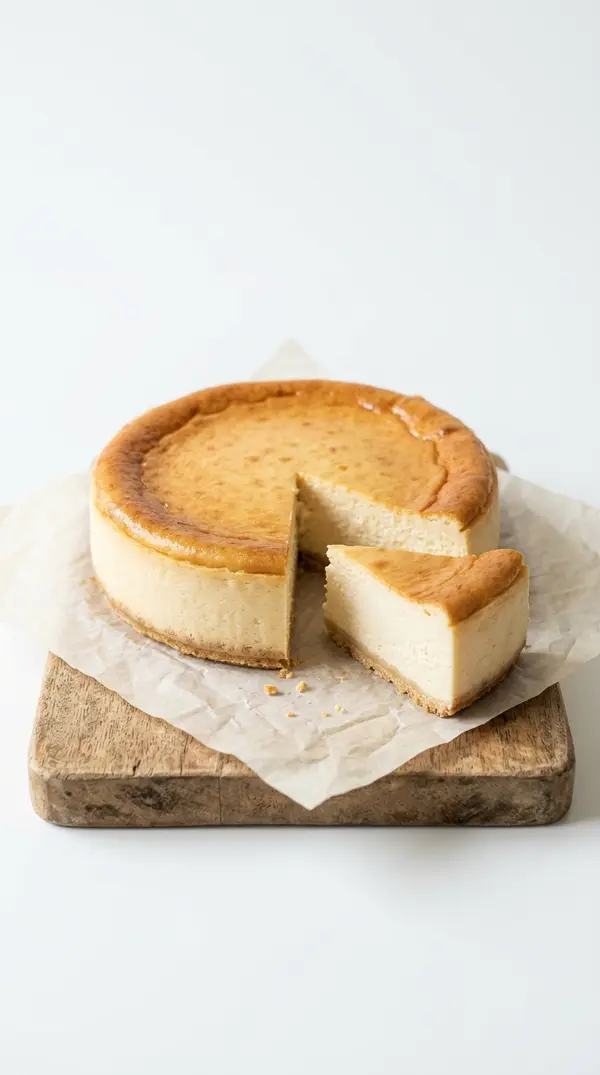
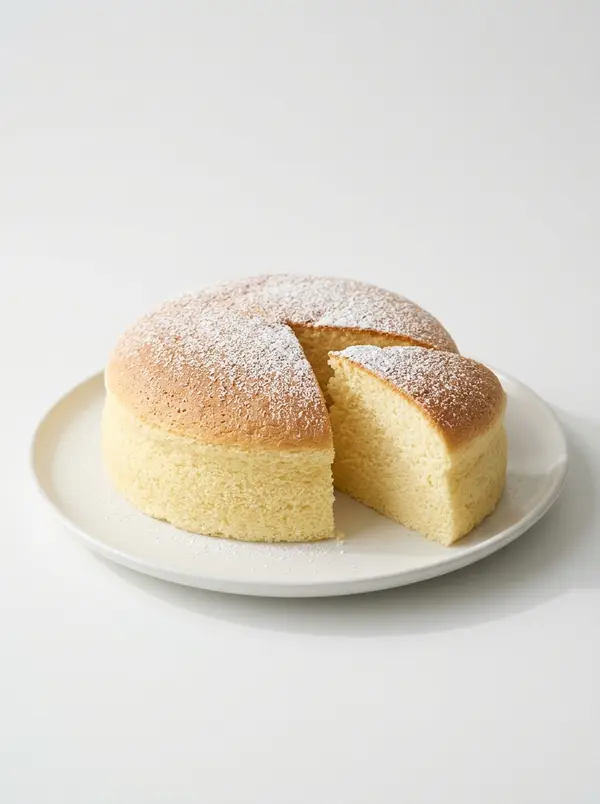
Step 9: Step 9: Run a thin knife around the edge of the parchment, lift the springform ring, and discard the parchment. Dust the top with powdered sugar and scatter a few mint leaves for color.
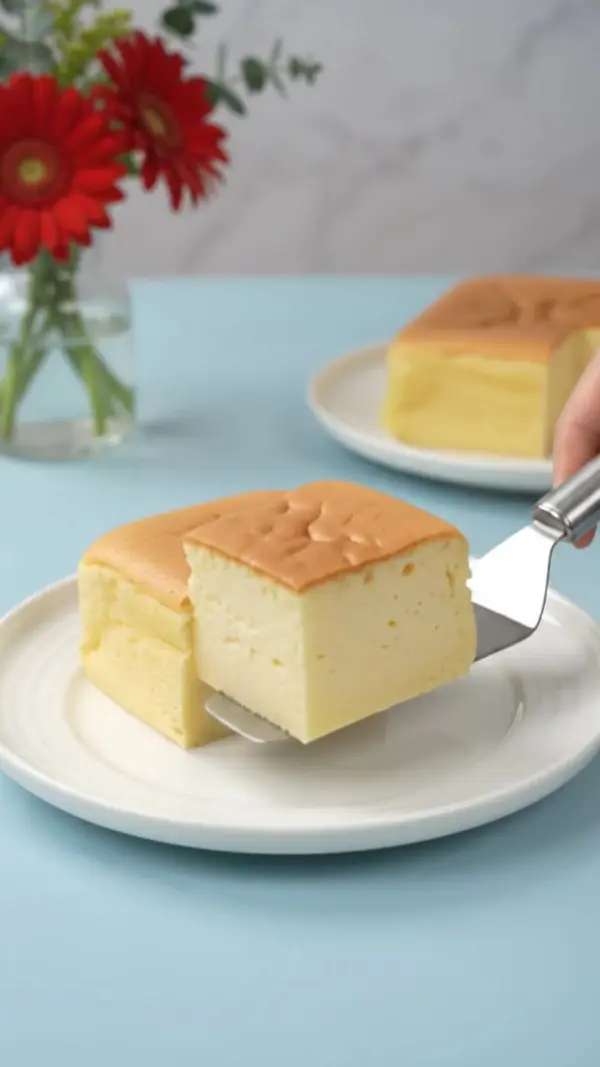
Step 10: Step 10: Slice a wedge with a serrated knife, serve on a platter using a cake server, and enjoy the soft, lemon‑bright bite.
What Makes This Dish Work
The yogurt’s acidity tenderizes the crumb while keeping the batter moist. Cake flour and corn starch lower gluten development, giving a finer texture. Lemon zest and juice add bright flavor without extra moisture. Folding the meringue in three stages preserves air for lift. Baking in a water bath supplies gentle, even heat that prevents a dry top.
Avoiding Cracks and Over‑Browning
Over‑whipping the yolk mixture can create a gummy batter; stop whisking once smooth. Adding sugar too quickly to the egg whites may cause grainy meringue; sprinkle it slowly while the mixer is running. If the parchment hangs too low, the batter can touch the water; trim excess parchment so it just covers the bottom.
Opening the oven during the first 30‑minute bake can cause the cake to collapse; keep the door closed until the timer signals the temperature change. A water bath that’s not hot enough leads to a dense crumb; heat the water before placing the pan inside. Finally, cutting the cake while still warm will cause crumbs to fall; chill fully before unmolding.
Simple Swaps That Still Shine
Replace the plain yogurt with vanilla‑flavored Greek yogurt for a subtle vanilla note, keeping the same quantity. Substitute orange zest for lemon zest and add a splash of orange juice for a citrus twist that still works with the meringue. Use honey in place of the granulated sugar for a softer sweetness, remembering that honey adds a little extra liquid—reduce the yogurt by one tablespoon. For a richer crumb, swap half of the cake flour with almond flour; the cake will have a gentle nutty flavor and still rise well.
Keeping the Cake Moist After Baking
Once cooled, wrap the whole cake tightly in plastic wrap and store it in the refrigerator for up to four days. For longer keeping, slice the cake, place pieces in an airtight container, and freeze for up to two months; thaw overnight in the fridge before serving. To warm a slice, microwave for 10‑15 seconds or place a piece on a warm plate for a few minutes; the texture remains tender.
Pairings and Presentation Ideas
Serve the cake slightly chilled or at room temperature, dusted with extra powdered sugar. A dollop of lightly sweetened whipped cream adds richness without masking the lemon flavor. Pair it with a cup of black tea or a glass of chilled sparkling water for a light dessert experience. The mint leaves not only add color but also a refreshing aroma that complements the citrus notes.
Fluffy Yogurt Cake Questions
How do I know when the meringue is at stiff peaks?
When you lift the whisk, the peaks should stand upright without drooping, and the mixture will look glossy. If the peaks fold over, continue beating a minute or two longer.
Can I use a regular cake pan instead of a springform?
A regular 9‑inch round or square pan works, but you’ll need to grease and flour it well. The parchment lining is optional, though it helps release the delicate cake cleanly.
What if I don’t have corn starch?
Replace the corn starch with an equal amount of potato starch or sift an extra tablespoon of cake flour into the dry mix; the texture will stay light.
Is it okay to bake at a higher temperature to shorten the time?
Higher heat can cause the top to brown too quickly while the interior stays undercooked, leading to cracks. The two‑stage low‑temperature bake is essential for an even, fluffy crumb.
How far in advance can I dust the powdered sugar?
Dust the cake just before serving for the best visual effect. If you dust earlier, the sugar may absorb moisture and become clumpy, especially in the refrigerator.
Related Recipes You Might Like
If you enjoy the airy texture of this cake, try the Fluffy Souffle Yogurt Cake for a richer flavor profile. For a minimalist version, see the 3-INGREDIENT YOGURT CAKE. A classic vanilla alternative is the Fluffy Yellow Cake.