Lemon Flavor Foundations
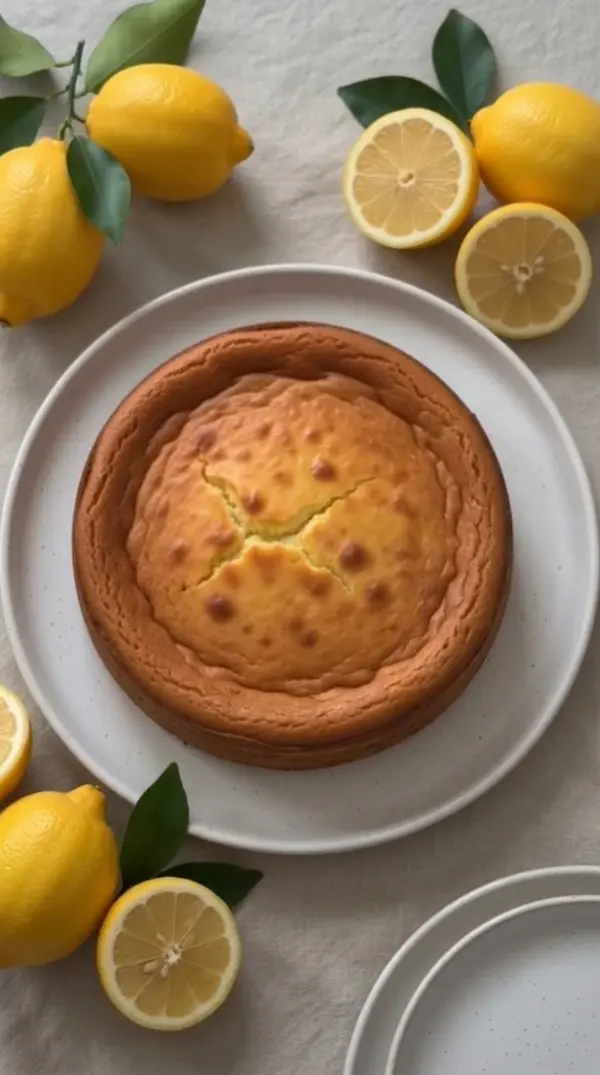
Lemon juice and zest add acidity that balances the natural sweetness of honey.
Whisking to a pale yellow incorporates air, creating a light crumb that rises in the oven.
A parchment‑lined springform pan gives a clean release and a smooth edge.
Only six ingredients keep prep quick and the flavor profile focused.
Step-by-Step Build of the Cheesecake
Step 1: Preheat your oven to 350°F (175°C). While it heats, line the bottom of a 9‑inch springform pan with parchment paper, allowing a little overhang for easy removal later.
Step 2: Pour the Greek yogurt into a large mixing bowl. The yogurt should sit in a steady pool before you add the eggs.
Step 3: Crack the four eggs directly over the yogurt, letting the shells fall away. This keeps the yolks and whites together for an even mix.
Step 4: Add 2 tbsp lemon juice, 1 tsp lemon zest, and 3 tbsp honey to the bowl. The citrus will brighten the mixture while the honey binds the flavors.
Step 5: Whisk the entire mixture vigorously for about 30 seconds, or until it turns a smooth, pale yellow and no streaks of yogurt remain. The color change signals that air has been incorporated.
Step 6: Gently pour the batter into the prepared springform pan, using a spatula to smooth the top. The batter should spread evenly without gaps.
Step 7: Slide the pan onto the middle rack of the preheated oven. Bake for 18‑20 minutes, or until the surface turns a light golden brown and a thin crust forms. The edges should be set while the center still has a slight wobble.
Step 8: Remove the cheesecake from the oven and let it cool in the pan for 10 minutes. This rest allows the interior to finish setting without cracking.
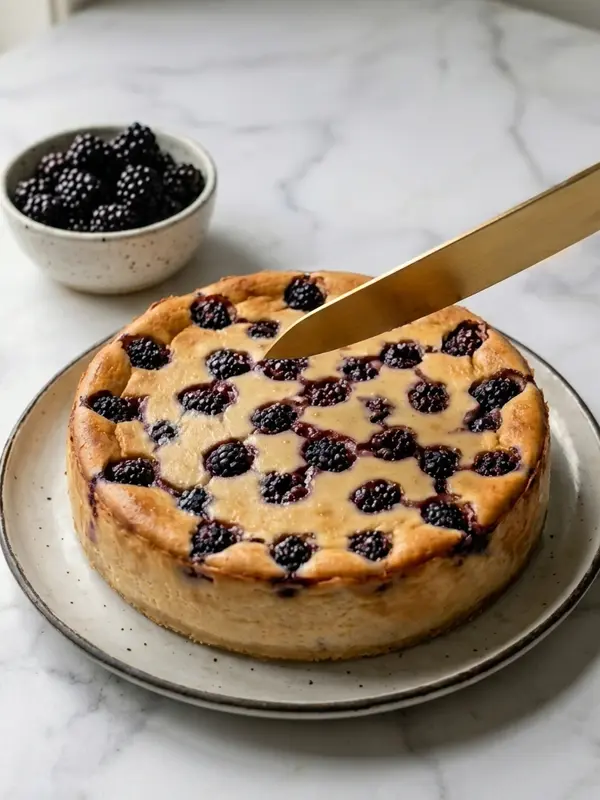
Step 9: Run a thin knife around the edge of the pan, then release the springform latch. Transfer the cake to a serving plate.
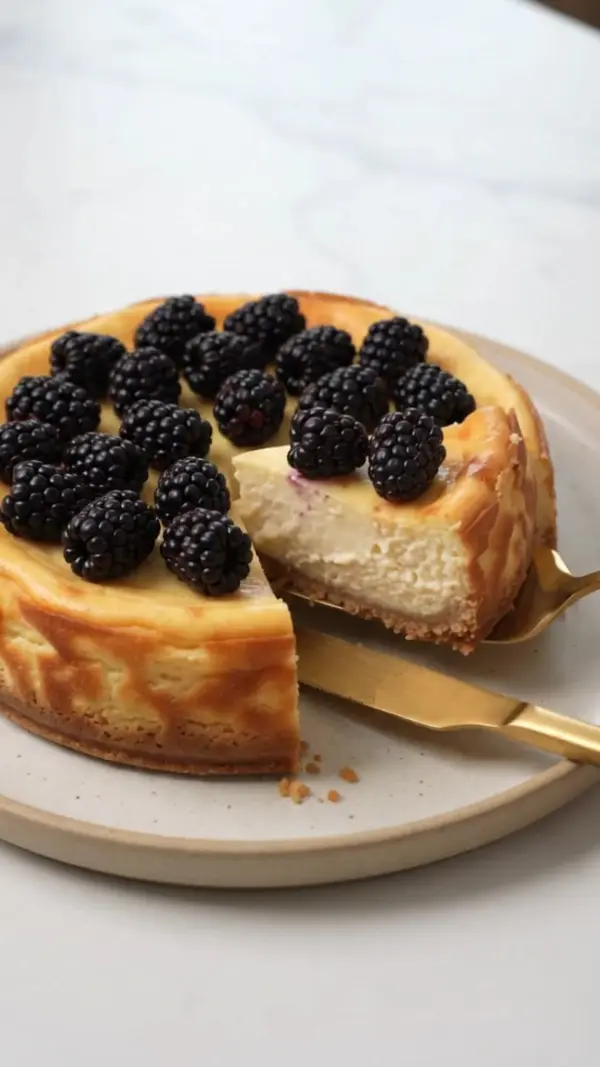
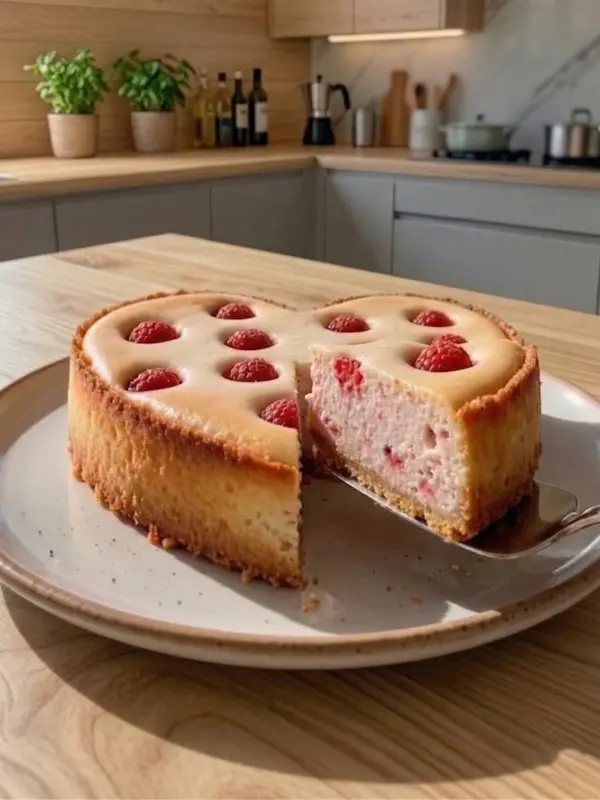
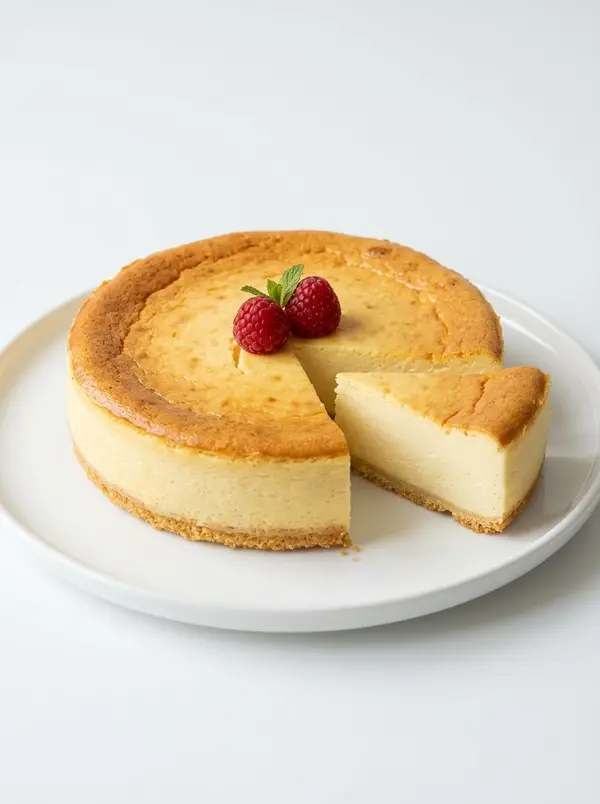
Step 10: Garnish with two fresh raspberries and a sprig of mint. Slice a wedge, lift it with a cake server, and place it on the plate for a picture‑ready finish.
Common mistakes and how to fix them
Over‑baking creates a dry crumb; keep a close eye on the golden top and pull the cake out when it’s just set.
Undermixed batter leaves streaks of yogurt; whisk until the mixture is uniformly pale yellow for a smooth texture.
Cold eggs cause the batter to separate; let eggs sit at room temperature for 15 minutes before adding.
Skipping parchment makes the cake stick; if you forget, run a thin knife around the edge while still warm to release.
Using low‑fat yogurt results in a watery set; choose full‑fat Greek yogurt for firmness.
Opening the oven door early drops temperature and can cause a sunken center; wait until the timer signals before checking.
Ingredient Swaps That Still Set
Keeping it fresh
After the cheesecake cools to room temperature, cover the pan loosely with foil and refrigerate for at least two hours. The cake holds well for up to three days, staying creamy and firm. For longer storage, wrap the entire pan in plastic wrap and freeze for up to a month; thaw overnight in the fridge before serving. Reheat a slice briefly in a 300°F (150°C) oven for 5 minutes if you prefer a warm finish.
Ways to Plate Lemon Yogurt Cheesecake
Serve each slice on a plain white plate to showcase the golden top and the bright raspberry garnish. A dollop of plain Greek yogurt on the side adds extra creaminess, while a drizzle of extra honey can sweeten the bite further. Pair the cheesecake with a cup of lightly brewed Earl Grey tea; the bergamot notes complement the lemon without overwhelming the palate.
Lemon Yogurt Cheesecake Questions
How long does the cheesecake need to cool before slicing?
Allow the cake to rest in the pan for 10 minutes after baking, then release the springform and let it cool on a wire rack for another 15 minutes. This short cooling period firms the interior enough to hold a clean slice without crumbling.
Can I use a regular cake pan instead of a springform?
A regular 9‑inch round pan works if you line the bottom and sides with parchment paper, but the cake may stick to the sides. A springform pan eliminates the need for a knife around the edge and gives a smoother release.
What if I don’t have fresh mint for garnish?
A few dried mint leaves sprinkled over the top provide a similar visual cue. Alternatively, a light dusting of powdered sugar adds a subtle sparkle without altering flavor.
Is it safe to use bottled lemon juice instead of fresh?
Bottled lemon juice will give the correct acidity, but fresh zest adds essential oils that bottled juice lacks. If you only have bottled juice, add a bit more zest if available, or increase the honey slightly to balance any bitterness.
How can I make the cheesecake more protein‑rich?
Swap half of the Greek yogurt for cottage cheese; blend until smooth before adding the eggs. This increases protein while keeping the texture creamy, though the flavor will be slightly milder.
Related recipes
If you love the bright tang of this cake, you might also enjoy our Lemon Yogurt Cheesecake for a richer version, the ultra‑simple 3 Ingredient Creamy Yogurt Cheesecake for a quick fix, or the Lemon Greek Yogurt Cheesecake that adds a crunchy crust.