
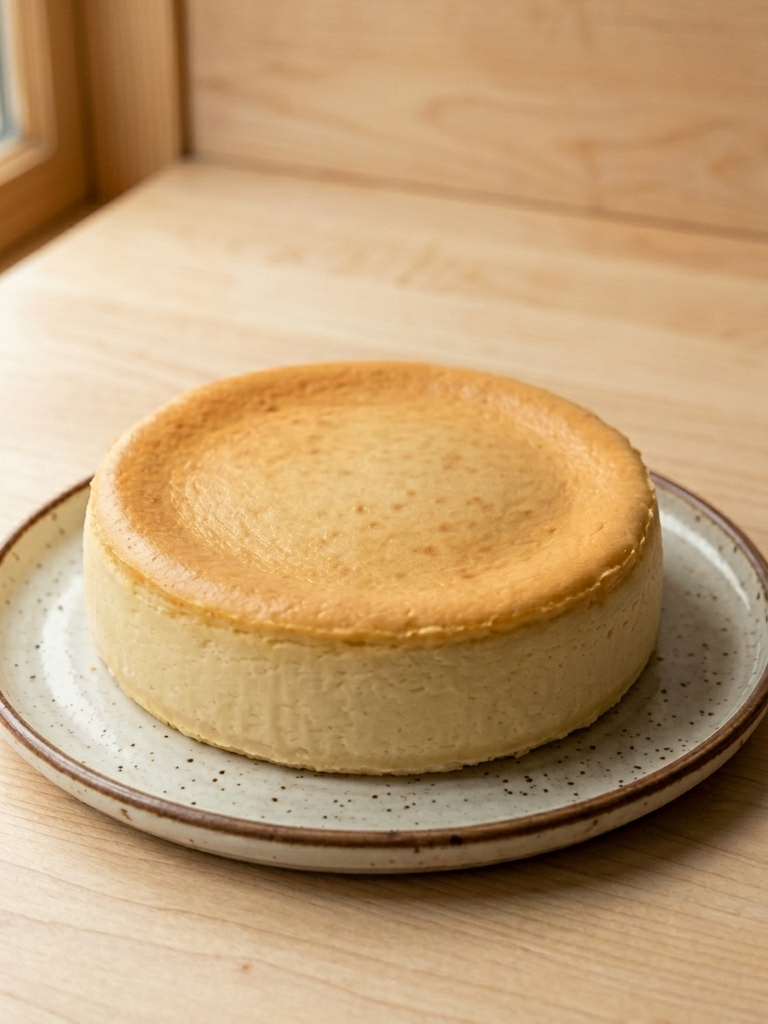
The first time I made this Lemon Yogurt Cheesecake, I was looking for a dessert that tasted fresh, creamy, and light without needing complicated ingredients or hours in the kitchen. I had a bowl of thick Greek yogurt and a few lemons sitting on my counter, so I decided to experiment with a healthier cheesecake version. As it baked, the smell of warm vanilla and bright lemon zest filled my kitchen, and honestly, it smelled better than many bakery cheesecakes I’ve tried. Once chilled, the texture turned out incredibly smooth and creamy with the perfect balance of sweetness and citrus flavor.
Why You’ll Love This Recipe
I personally love this recipe because it feels rich and satisfying while still being lighter than a traditional cheesecake. The Greek yogurt gives it a creamy high-protein texture, while the lemon adds a fresh tangy flavor that makes every bite refreshing instead of heavy. If you enjoy desserts that are simple, creamy, and perfectly balanced between sweet and citrusy, this cheesecake will absolutely become one of your favorites too. (See the ingredients in the next page below…)
Ingredients
- 1 cup (250 g) Greek yogurt (thick)
- 2 eggs
- ⅓ cup sugar or honey (adjust to taste)
- 1 teaspoon vanilla extract
- Zest of 1 lemon
- 1 tablespoon lemon juice (optional, for extra tang)
- 1 tablespoon cornstarch (optional, for a firmer texture)
- Pinch of salt
Equipment Needed
- Mixing bowl
- Whisk
- Small baking pan
- Spoon or spatula
- Oven
- Cooling rack
- Refrigerator
Step-by-Step Instructions
The first thing I always do is preheat my oven to 170°C (340°F) because this cheesecake batter comes together very quickly. I line my baking pan with parchment paper or lightly grease it so the cheesecake releases easily after chilling. Trust me, skipping this step can make serving much messier later. (See the next page below to continue steps…)
In a bowl, I whisk together the Greek yogurt, eggs, sugar or honey, vanilla extract, lemon zest, lemon juice, and a pinch of salt until everything becomes completely smooth. The first time I made this recipe, I rushed the whisking process and ended up with tiny lumps in the batter. Now I take my time, and the cheesecake turns out much silkier and creamier.
Next, I stir in the cornstarch if I want a firmer cheesecake texture. I’ve tested the recipe both ways, and honestly, adding cornstarch helps the cheesecake hold cleaner slices once chilled. After mixing, I pour the batter into the prepared baking pan and smooth the top gently with a spoon.
I bake the cheesecake for around 30–35 minutes until the edges look set while the center still has a slight jiggle. One mistake I made early on was overbaking it because I thought the middle needed to be fully solid. That only made the cheesecake less creamy. Now I remove it while the center still moves slightly, then let it cool completely before refrigerating it for at least one to two hours.
Pro Tips for Best Results
I tested this recipe with different yogurts, and thick Greek yogurt definitely gives the best texture. Watery yogurt creates a softer cheesecake that doesn’t hold its shape as well. Trust me, using thick yogurt makes a huge difference in creaminess.
Another thing I learned is that fresh lemon zest is essential for the best flavor. I once skipped the zest and used only lemon juice, and the cheesecake tasted much flatter. The zest adds a bright citrus aroma that completely transforms the dessert.
Don’t skip the chilling step after baking. I know it smells amazing fresh out of the oven, but the texture becomes much creamier and firmer after a few hours in the fridge. I honestly think it tastes even better the next day.
Common Mistakes to Avoid
The biggest mistake I made the first time was adding too much lemon juice because I wanted extra tanginess. Unfortunately, the batter became too thin and took longer to bake properly. Now I stick to the recommended amount, and the texture stays perfectly balanced. (See the next page below to continue…)
Another mistake is overmixing the batter too aggressively. I once whisked everything too hard, creating too many air bubbles, which caused the cheesecake to puff up unevenly while baking. Mixing gently until smooth works much better.
Overbaking is another common issue that can ruin the creamy texture. I used to leave the cheesecake in the oven until the center looked fully firm, but that only made it dry. Slight jiggle in the middle is exactly what you want.
I also recommend letting the cheesecake cool fully before refrigerating it. I once transferred it straight into the fridge while still hot, and condensation formed on top, affecting the texture slightly.
Serving Suggestions
I personally love serving this cheesecake chilled with a little extra lemon zest sprinkled over the top. The cold creamy texture paired with the fresh citrus flavor tastes incredibly refreshing.
Sometimes I drizzle a little honey over the cheesecake before serving because it balances the tangy lemon flavor beautifully. I’ve also added fresh berries on the side, and strawberries pair especially well with the creamy filling.
When I want to make it feel extra special, I garnish it with thin lemon slices and a spoonful of Greek yogurt. It gives the cheesecake a beautiful café-style presentation while keeping everything light and fresh.
Variations & Customizations
I’ve experimented with adding blueberries directly into the batter, and the combination tastes amazing. The sweet berries pair perfectly with the bright lemon flavor and create little juicy bursts throughout the cheesecake.
Another version I really enjoy is adding crushed nuts on top before baking. Almonds and walnuts both add a delicious crunch that contrasts beautifully with the soft creamy filling underneath.
Sometimes I also mix in a little cinnamon or extra vanilla extract for a warmer flavor profile. I tried this variation during colder months, and it gave the cheesecake a cozy bakery-style flavor.
How to Store, Freeze & Reheat
From my experience, this cheesecake stores beautifully in the fridge for about four days. I usually keep it covered in an airtight container so it stays creamy and fresh without absorbing other fridge smells.
I’ve frozen individual slices several times, and they thaw surprisingly well. I wrap each slice tightly before freezing and let it thaw overnight in the fridge whenever I want one later.
As for reheating, I personally think this cheesecake tastes best cold because the chilled texture feels much creamier and more refreshing. I wouldn’t microwave it because the texture changes too quickly and becomes too soft.
Conclusion
This Lemon Yogurt Cheesecake has become one of my favorite healthier desserts because it combines creamy cheesecake texture with fresh citrus flavor in such a simple and satisfying way. I genuinely love how easy it is to prepare while still tasting rich, smooth, and indulgent enough for special occasions. The bright lemon flavor, creamy Greek yogurt filling, and light texture make it a recipe I return to again and again. Once you taste that chilled creamy bite with the fresh lemon flavor, trust me, you’ll want to make this cheesecake all the time.