
Another error is overcooking the chicken. If you leave the chicken breasts boiling in the soup for the entire cooking time while the rice simmers, they will become dry and tough. Poaching them gently, removing them, and adding them back at the end is the key to succulent, shreddable chicken. It feels like an extra step, but it takes only a minute to shred, and the payoff in texture is massive. I treat it like a non-negotiable part of the process.
Adding the rice too early or using the wrong kind can lead to a starchy, gloppy soup. If you add the rice at the very beginning with the raw chicken, it will absorb too much liquid and break down, turning the soup into a thick porridge. Wait until the chicken is cooked and removed before adding the rice. This ensures the rice cooks in the perfectly flavored broth and retains its individual grains, giving the soup the ideal body.
Finally, rushing the cream incorporation is a sure path to disappointment. Pouring cold heavy cream directly into a roaring boil is asking for trouble—it can shock the cream and cause separation. Always reduce the heat to low or even turn it off before stirring in the cream. Let the soup’s residual heat warm it through gently. If, despite your best efforts, it looks a little grainy, a quick blend with an immersion blender can often save it, but prevention is much easier than the cure.
Serving Suggestions
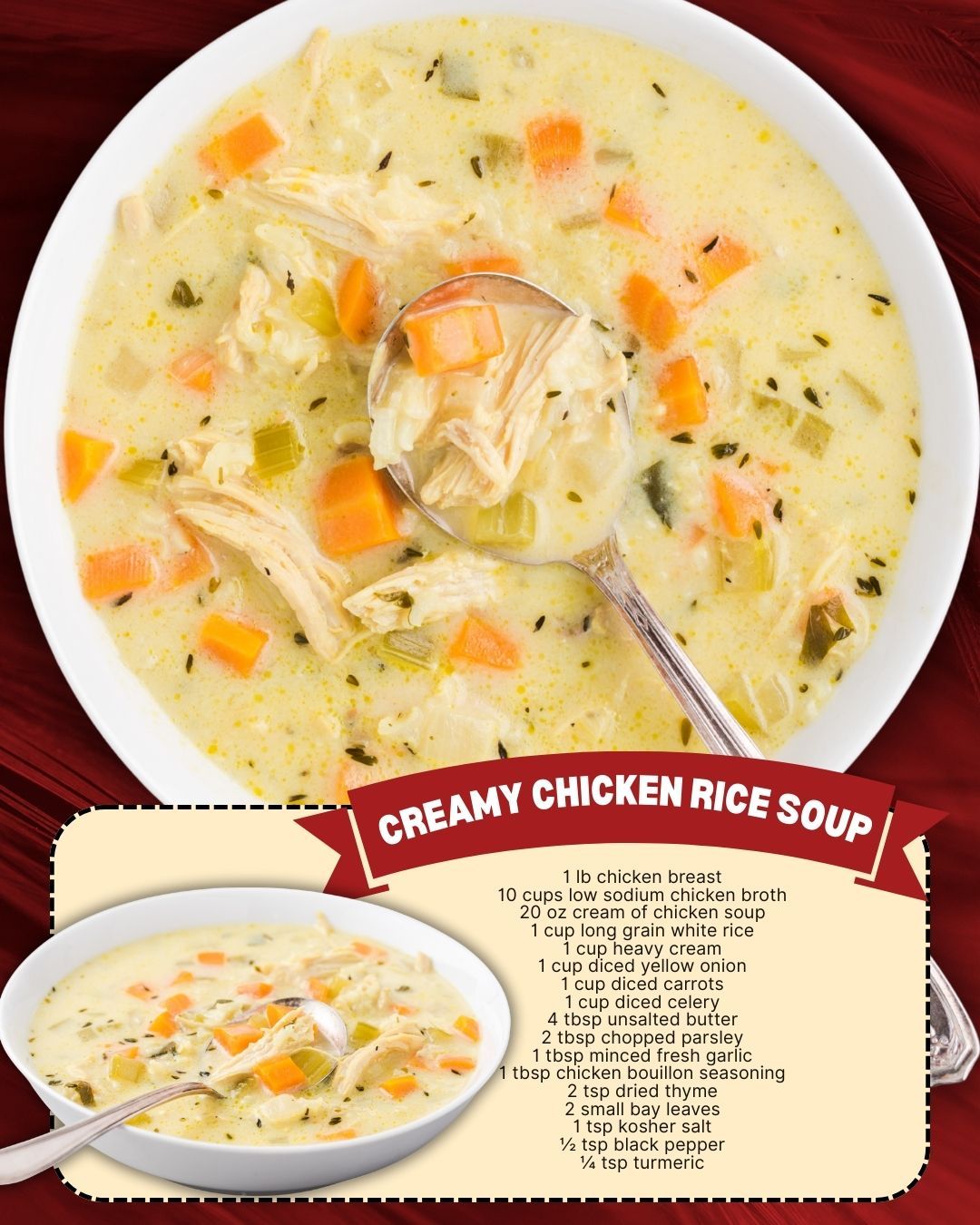
I love serving this soup in wide, shallow bowls that really show off its creamy texture. A final sprinkle of extra black pepper and a few more chopped parsley leaves on top make it look restaurant-worthy. For my family, I often set out small bowls of optional toppings: extra shredded cheese (a sharp cheddar is fantastic), crispy crumbled bacon, or a dash of hot sauce for those who like a kick. It turns dinner into a fun, interactive meal.
This soup is a meal in itself, but I almost always serve it with a side that can handle some dipping. A thick, crusty slice of sourdough bread or a warm, soft dinner roll is perfect for sopping up every last drop. For a lighter option, a simple side salad with a tangy vinaigrette cuts through the richness beautifully. On particularly cold nights, I’ll even make grilled cheese sandwiches for the ultimate comfort food duo.
For a more elegant presentation when guests are over, I’ll ladle the soup into hollowed-out bread bowls. It’s a dramatic and fun way to serve it that always gets a “wow.” Just be sure to toast the bread bowl interiors lightly first to prevent sogginess. A small, colorful side of roasted vegetables, like broccoli or Brussels sprouts, also complements it nicely and rounds out the meal.
Variations & Customizations
This soup is wonderfully adaptable. If you’re not a fan of cream of chicken soup, you can replace it with an additional cup of broth and 1/4 cup of all-purpose flour to make a roux with the initial butter and veggies. Just cook the flour for a minute before adding the broth. For a richer, deeper flavor, I sometimes use a combination of chicken thighs and breasts. Thighs add more fat and a robust chicken taste, but you’ll need to skim a little fat off the top.
To add more vegetables, the possibilities are endless. I’ve stirred in a cup of frozen corn or peas during the last 5 minutes of cooking for a pop of color and sweetness. Chopped spinach or kale added just before the cream wilts down perfectly and boosts the nutrition. For a “chicken pot pie soup” vibe, add a cup of frozen mixed vegetables (peas, carrots, green beans) when you add the rice.
If you want to change up the grain, small pasta like ditalini or orzo can be used instead of rice. Cook it directly in the broth, but be aware it will continue to absorb liquid, so you may need to add more broth when reheating leftovers. For a dairy-free version, you can omit the heavy cream and use full-fat coconut milk for creaminess—it adds a subtle tropical note that’s surprisingly good with the thyme and turmeric.
How to Store, Freeze & Reheat
This soup stores wonderfully. Let it cool completely, then transfer it to airtight containers. It will keep in the refrigerator for up to 4 days. Be warned: the rice will continue to absorb liquid as it sits, so the soup will thicken considerably. When reheating, add a splash of broth, water, or even a little milk to bring it back to your desired creamy consistency. Reheat gently on the stovetop over medium-low heat, stirring frequently.
Yes, you can freeze this soup, but with one important caveat: the texture of the creamy base and the rice can change. The rice may become a bit softer and the soup may separate slightly upon thawing. To freeze, cool completely and omit the heavy cream (add it fresh when reheating). Portion into freezer-safe bags or containers, leaving room for expansion. It will keep for up to 3 months.
To thaw and reheat frozen soup, place it in the refrigerator overnight. Reheat it slowly in a pot over low heat. If you omitted the cream, stir it in now, just warming it through. If the soup seems separated, a vigorous whisk or a quick pulse with an immersion blender will re-emulsify it beautifully. It may not be quite as perfect as fresh, but the flavors will still be deep and comforting.
Conclusion
This Creamy Chicken Rice Soup is the edible equivalent of a warm, reassuring hug. It’s the recipe I turn to when I want to nourish both body and spirit, and it never fails to deliver a deep sense of comfort and contentment. I hope this pot of golden, creamy goodness finds its way to your stovetop and becomes a cherished, reliable favorite in your home, just as it has in mine. Ladle yourself a big bowl, curl up, and enjoy every spoonful.