
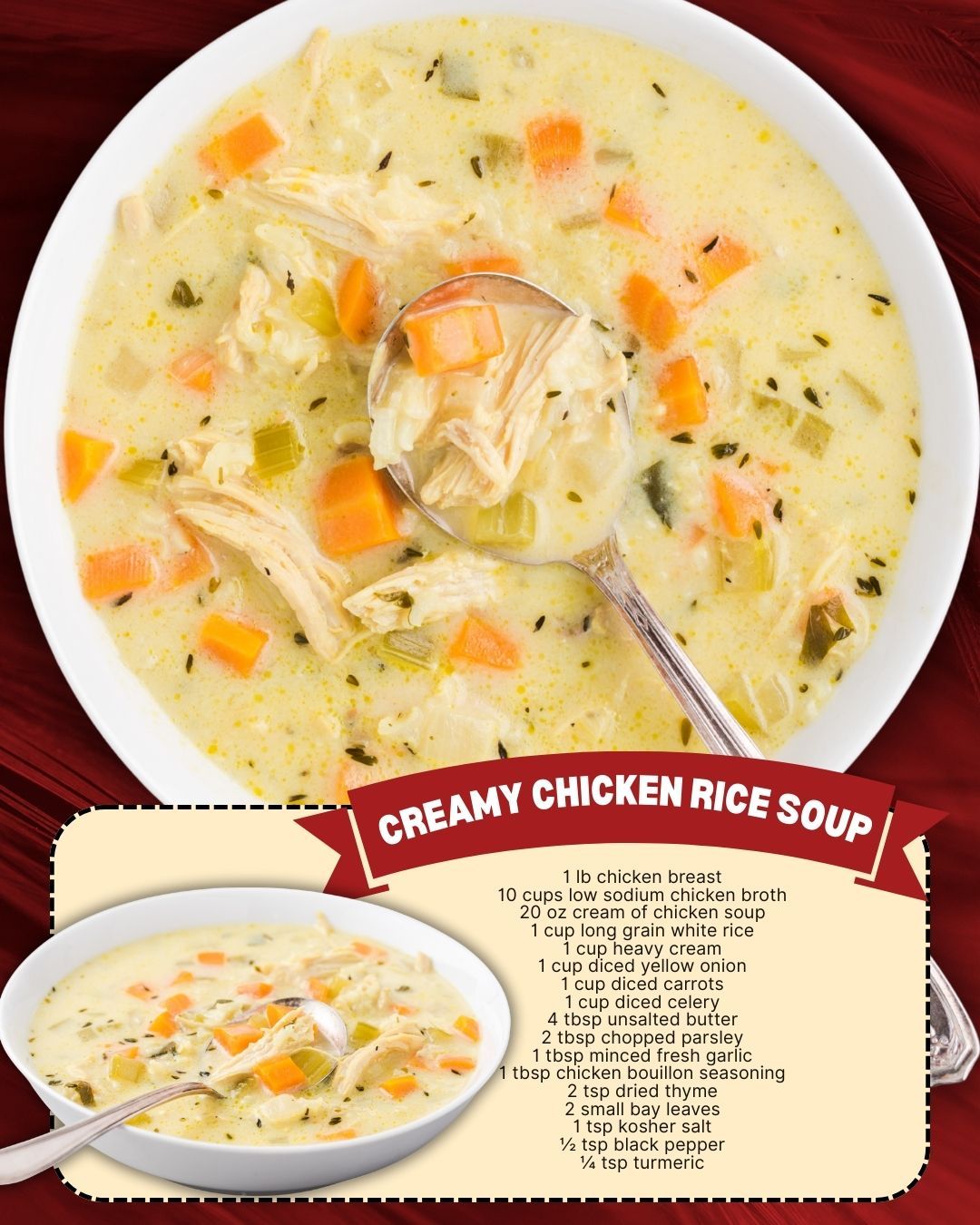
Once the rice is perfectly cooked, it’s time for the final, luxurious touches. Reduce the heat to the lowest setting. Stir in the shredded chicken and the heavy cream. Adding the cream last and off the boil prevents it from curdling. I made the mistake of adding it while the soup was at a rolling boil once, and it looked grainy—a tragedy! Warm it through gently for just 3-5 minutes. Finally, remove the bay leaves (I’ve forgotten one in a bowl before—not pleasant!), stir in the fresh parsley, and do your final taste test. Adjust the salt and pepper here. The soup will be gloriously thick, creamy, and rich.
Pro Tips for Best Results
My biggest tip is about the rice. I have tested this with instant rice, brown rice, and long-grain white rice. Trust me, the long-grain white rice (like jasmine) is the winner. Instant rice turns to mush, and brown rice requires too much liquid and cooking time, throwing off the entire balance of the soup. The long-grain rice holds its shape beautifully and provides the perfect tender bite. Don’t rinse it before adding; the surface starch helps thicken the soup slightly.
The order of adding the creamy elements is everything. I add the canned cream of chicken soup with the rice to let it integrate and cook into the broth. But the heavy cream must always be added last, just to warm through. When you add dairy to a very hot, acidic, or starchy base too early, it can separate or curdle. By adding it off the heat at the end, you preserve its smooth, velvety texture. If you’re nervous, you can even temper it by ladling a little hot soup into the cream first, stirring, then pouring it all back in.
Don’t underestimate the power of the garnishes and final seasonings. That tablespoon of chicken bouillon paste (I use the roasted chicken flavor) is my flavor bomb. It deepens the chicken flavor in a way that salt alone cannot. And the fresh parsley at the end isn’t just for color; it adds a necessary pop of freshness that cuts through the richness. Always taste at the very end, after adding the cream, and adjust the salt and pepper. The cream mellows flavors, so you’ll likely need another pinch or two of salt.
Common Mistakes to Avoid
The first mistake I ever made was using regular-sodium broth and bouillon and salted butter. The result was a soup so salty it was almost inedible. We had to dilute it with a whole extra quart of water, which watered down all the lovely flavors. Now, I swear by low-sodium broth and unsalted butter. This gives you complete control. You can always add more salt at the end, but you can never take it out. The bouillon paste is plenty salty, so wait until the final taste before adding extra salt. (See the next page below to continue…)